Fewer Sleep Apnea Referrals for Rural Patients
Geographic location is an independent factor in whether high-risk patients receive evaluations for obstructive sleep apnea in primary care settings.


Geographic location is an independent factor in whether high-risk patients receive evaluations for obstructive sleep apnea in primary care settings.

Geographic location is an independent factor in whether high-risk patients receive evaluations for obstructive sleep apnea in primary care settings.
Read More
Physicians perceive one-in-six patient visits in non-psychiatric clinics as “difficult,” and these encounters are more likely to involve patients with mental health disorders or chronic pain.
Read More
Healthcare systems could benefit from knowledge sharing and systematic evaluations to achieve better success in social needs screening and intervention programs.
Read More
Automated smoking cessation interventions at pediatric primary care locations helped reduce parental smoking.
Read More
The EasyOne Sky handheld spirometer from ndd Medical Technologies features a built-in coach to help simplify lung function testing.
Read More
CAPTURE — a new screening tool developed by a national group of researchers — shows promise in helping primary care physicians identify adults with undiagnosed COPD, according to research published in JAMA.
Read More
Implementing financial coaching for parents of infants in a pediatric primary care setting reduced missed well-child care visit rates by half and significantly improved receipt of vaccinations at a timely age.
Read More
Rural COPD patients face higher death rates; the first step to helping these patients is understanding why these disparities exist.
Read More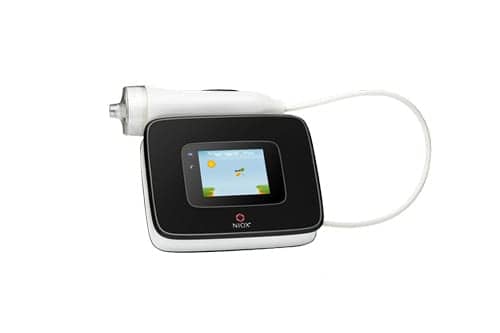
Asthma FeNO testing will be available in more US primary care settings as the result of a new national distribution model for Circassia Inc’s NIOX Vero FeNO testing device.
Read More
Cancer charities in the UK launched a campaign to urge family doctors to recognize lung cancer symptoms in non-smokers.
Read More
Scientists say primary care physicians need greater involvement in health policies aimed at controlling COVID-19 and called for more research into primary care.
Read More
A new COPD registry (APEX COPD) is specifically designed to improve the management of patients in the primary care setting.
Read More
Only 3.7% of Medicare patients with COPD used pulmonary rehabilitation in 2012, an increase of 1.1% since 2003, according to a JCRP study.
Read More
Research shows that annual well-visits are associated with an increased risk of flu-like illnesses in children and family members within two weeks of the appointment.
Read More
The majority of diagnoses of radiographic pneumonias were not suspected by general practitioners on clinical grounds in a study from The Netherlands.
Read More
Early detection, diagnosis, rehabilitation, and education are but a few of the areas in which RTs can play a vital role in the office setting.
Read More
Collaborative networks of primary care practices are springing up all over the United States. These networks have the potential to provide a process and structure for sharing information between individual private practices, resulting in
Read More
Capnography appears to be the most effective monitoring aid for detecting respiratory compromise in patients during mild sedation.
Read More
For 10 years the National Lung Health Education Program (NLHEP) has increased community and primary care physician awareness of COPD and supported the use of spirometry to increase early detection of the disease.
Read More