FDA Clears CPETWise Cardiopulmonary Exercise Testing Software
Medibyt's CPETWise automated platform aims to cut cardiopulmonary exercise testing interpretation time in half and standardize clinical workflows.


Medibyt's CPETWise automated platform aims to cut cardiopulmonary exercise testing interpretation time in half and standardize clinical workflows.

Medibyt’s CPETWise automated platform aims to cut cardiopulmonary exercise testing interpretation time in half and standardize clinical workflows.
Read More
Co-Diagnostics submitted a dual 510(k) premarket notification and CLIA Waiver by Application to the FDA for its Co-Dx PCR Flu A/B & RSV multiplex respiratory test.
Read More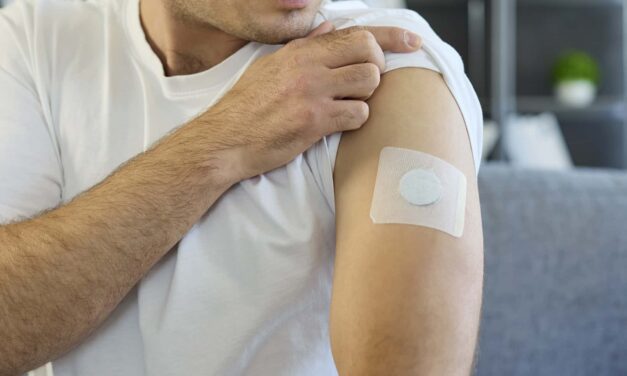
Wearable stickers can accurately measure sweat chloride levels in cystic fibrosis patients in under an hour without specialized laboratory equipment.
Read More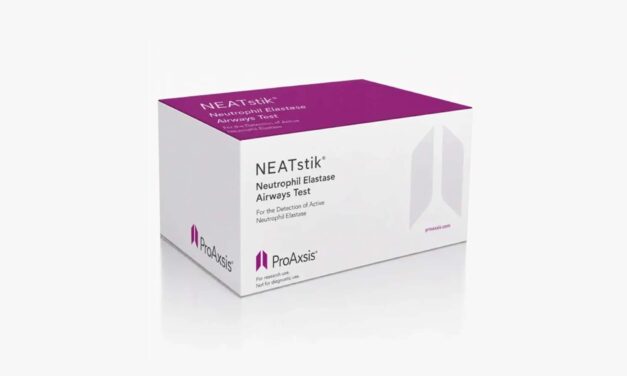
ProAxsis and Imperial College London are investigating the NEATstik test, which detects active neutrophil elastase (NE) in sputum samples.
Read More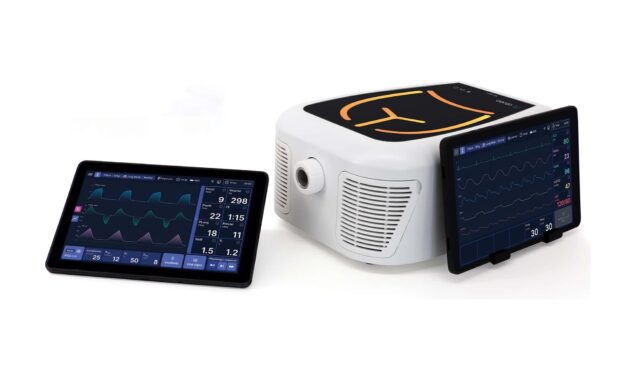
RT looks at some of the latest simulation technology available from IMT Analytics, Michigan Instruments and South Pacific Biomedical.
Read More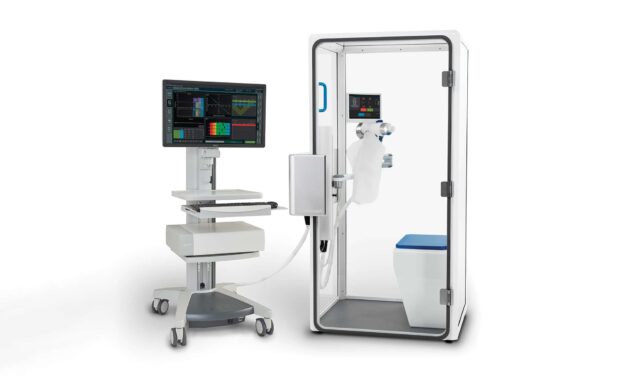
A closer look as some of the latest spirometers and PFT devices on the market from Jaeger Medical, MGC Diagnostics, Vitalograph, and VacuMed.
Read More
A TB blood test identifies a bacterial marker to distinguish between active and latent tuberculosis infections.
Read More
Zepto Life Technology has introduced FungiFlex Pneumocystis jirovecii and the FungiFlex Mold Plus Panel testing assays.
Read More
A study of more than 570,000 people validates a polygenic risk score to identify idiopathic pulmonary fibrosis patients at risk for severe outcomes or death.
Read More
Cryocision flexible cryocatheter system is the first console-free and wholly single-use flexible cryosurgical system for bronchoscopic applications available in the US and Canada.
Read More
The AMDI Fast PCR System provides point-of-care results for RSV, influenza, and COVID-19 in less than 10 minutes.
Read More
The liquid biopsy panel identifies fungal DNA in plasma to help clinicians diagnose life-threatening infections in immunocompromised patients.
Read More
Hackensack Meridian Pascack Valley Medical Center successfully completed its first endobronchial ultrasound to diagnose pulmonary conditions.
Read More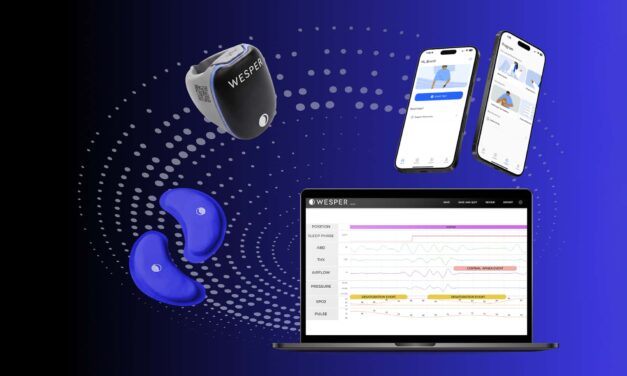
The ecosystem integrates two diagnostic levels into one patient record to help physicians personalize sleep apnea diagnostics and monitoring.
Read More
A new analysis shows that early use of rapid testing for bloodstream infections reduces sepsis progression and healthcare expenses.
Read More
A new visual Ai agent aims to reduce subjectivity and improve documentation efficiency for clinicians performing skin prick testing.
Read More
The new Roche diagnostic test identifies 25 viruses and bacteria to help clinicians provide...
Read More
On World Tuberculosis Day, March 24, a test developed by UC Davis Health could soon speed up diagnosis and help prevent its spread.
Read More
Untargeted metagenomic sequencing detected previously missed respiratory viruses in about 5% of samples that had tested negative on standard NAAT panels.
Read More
Recent funding has allowed Children’s Hospital of Chicago’s Primary Ciliary Dyskinesia Center to purchase its first Long Read Sequencing (LRS) machine to aid PCD genetic testing.
Read More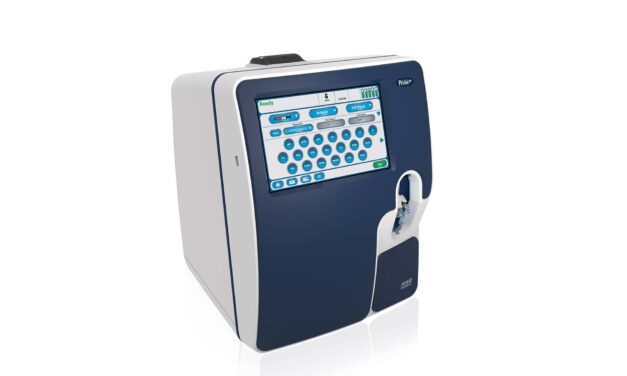
The Stat Profile Prime Plus Critical Care Analyzer integrates blood gas, electrolyte, and metabolite testing to support clinical decision-making.
Read More
The Werfen Gem Premier 7000 with IQM3 is a point-of-care blood gas analyzer that offers hemolysis detection.
Read More
The Gem Premier 5000 uses real-time monitoring and self-contained cartridges to provide results for blood gases, electrolytes, and metabolites from a single sample.
Read More
The RapidPoint 500e is a cartridge-based analyzer provides results in 60 seconds and includes enhanced data security features.
Read More