Sepsis ImmunoScore Diagnostic Added at Sinai Hospital
The Sepsis ImmunoScore is the first sepsis artificial intelligence diagnostic tool authorized by the FDA and uses patient data to assess risk within 24 hours.


The Sepsis ImmunoScore is the first sepsis artificial intelligence diagnostic tool authorized by the FDA and uses patient data to assess risk within 24 hours.

The Sepsis ImmunoScore is the first sepsis artificial intelligence diagnostic tool authorized by the FDA and uses patient data to assess risk within 24 hours.
Read More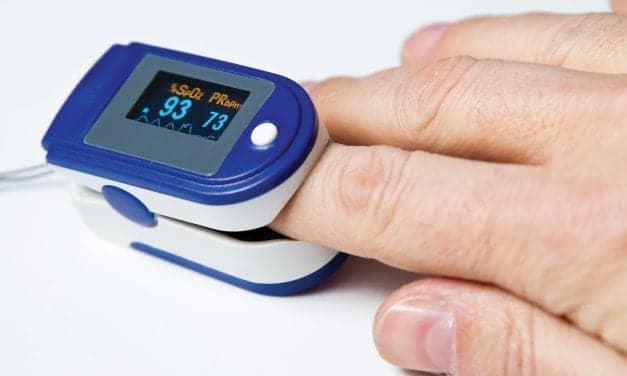
Remote monitoring did not increase the time spent at home after discharge among patients hospitalized with sepsis or lower respiratory tract infection, according to results from a randomized clinical trial of 1,286 adults.
Read More
Artificial intelligence large language models can accurately scan medical charts to assess complex quality measures for severe sepsis and septic shock in seconds.
Read More
Data on 9,000 children with septic shock shows no difference in kidney outcomes between two common types of IV fluids used for emergency resuscitation.
Read More
A two-time NASCAR champion driver died Thursday from severe pneumonia that progressed into sepsis, according to multiple media outlets.
Read More
A new analysis shows that early use of rapid testing for bloodstream infections reduces sepsis progression and healthcare expenses.
Read More
Sepsis reduced 30-day survival in patients with less severe acute kidney injury but was paradoxically associated with higher survival rates in the most severely ill AKI patients.
Read More
Findings suggest that the endothelial gene ALOX15 gene protects against sepsis-induced lung injury.
Read More
Esmolol showed significant reductions in 28-day mortality, ICU mortality, and other benefits in adults with septic shock.
Read More
Multicenter study shows rapid the sepsis diagnostic IntelliSep enabled an increase in safe emergency department discharges, easing inpatient bed shortages without increasing 30-day return visits.
Read More
Doctors have successfully treated a child in severe septic shock and multiorgan failure with a novel therapeutic tool called the selective cytopheretic device.
Read More
Researchers compared Area Deprivation Index (ADI) to Healthy Places Index (HPI) in order to assess neighborhood disadvantage as a predictor of in-hospital mortality among sepsis patients.
Read More
Adults who were hospitalized for a severe infection, such as respiratory infections or sepsis, were more than twice as likely to develop heart failure years later.
Read More
Patients hospitalized for respiratory infections or sepsis had more than double the odds of heart failure later in life.
Read More
A protein called angiopoietin-2 (ANGPT2) can both inhibit and encourage blood vessel changes critical for sepsis.
Read More
Severe respiratory infections and sepsis more than double the risk of heart failure, research shows.
Read More
The test can both identify bacterial and viral infections and assess the need for critical care in patients with suspected infection or sepsis.
Read More
Researchers found that medical ozone therapy can improve lung function in mice with sepsis-induced acute lung injury.
Read More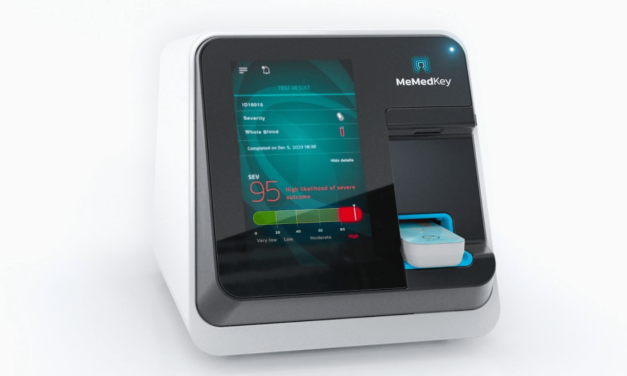
The FDA has granted Breakthrough Device Designation to a sepsis risk assessment test designed to support rapid clinical decisions.
Read More
The funding will accelerate the rollout of a rapid diagnostic test that helps emergency departments quickly identify and treat sepsis.
Read More
The COVID-19 pandemic led to a noticeable rise in sepsis-related hospitalizations, hospital costs, and in-hospital mortality, particularly for patients with a COVID-19 diagnosis.
Read More
The newly cleared test detects sepsis earlier than current standards by measuring levels of the pancreatic stone protein biomarker.
Read MoreThe AI tool actively involves clinicians by identifying missing patient data and suggesting the most critical information needed to improve sepsis risk predictions.
Read More
bioMérieux received US FDA 510(k) clearance for its Vitek Reveal AST System, which reports results directly from positive blood cultures.
Read More