How Are Snoring Sounds Created? Upper Airway Simulation Explains
New 3D modeling reveals that unsteady airflow over the soft palate drives loud snoring sounds, pointing toward targeted therapies.


New 3D modeling reveals that unsteady airflow over the soft palate drives loud snoring sounds, pointing toward targeted therapies.
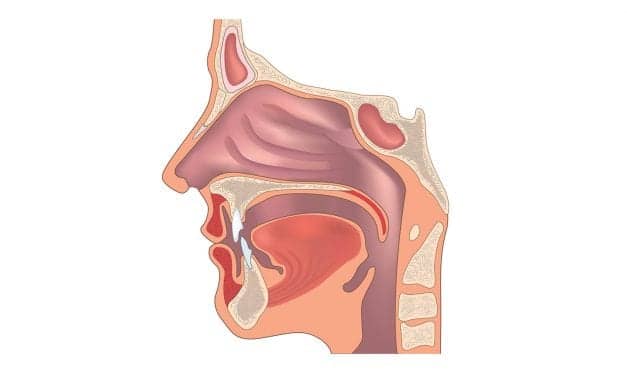
New 3D modeling reveals that unsteady airflow over the soft palate drives loud snoring sounds, pointing toward targeted therapies.
Read More
Remote work from home adds 15 minutes of daily sleep but increases sitting and lying down by 45 minutes.
Read More
A new scientific statement from the Endocrine Society emphasizes health outcomes such as sleep apnea and heart disease over weight loss alone.
Read More
New research finds artificial intelligence tools frequently fail to recommend medical referrals when patients push back or downplay their sleep apnea symptoms.
Read More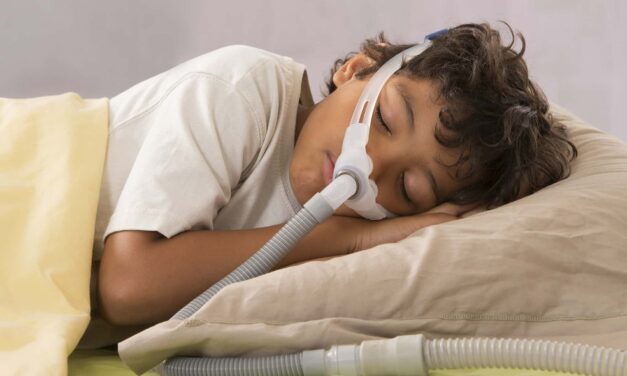
Researchers are examining alternative sleep apnea therapies in children with Down Syndrome, standard surgeries and positive airway pressure devices often fail to resolve breathing issues in this pediatric population.
Read More
People with a COVID-19 history showed a significantly stronger breathing response following brief arousals from sleep.
Read More
Secondhand tobacco smoke increased sleep interruptions in pediatric patients, even when traditional apnea measures remain unchanged.
Read More
The project from the American Thoracic Society aims to reduce the high rate of undiagnosed sleep disorders by partnering with primary care providers.
Read More
The USFDA granted 510(k) clearance for the HoneyNaps Somnum V3.0 Ai-based software for polysomnography (PSG) analysis, according to the company.
Read More
The FDA will review a New Drug Application for Apnimed’s AD109, an investigational oral pill for the treatment of adults with obstructive sleep apnea with a target action date of Feb 28, 2027.
Read More
The collaboration will focus on sleep and circadian medicine, including research into obstructive sleep apnea and wearable health technology.
Read More
Age, income, and personal attitudes influence the financial value individuals assign to their sleep.
Read More
Monitoring sleep quality could help healthcare providers identify respiratory issues in ALS patients before they become advanced.
Read More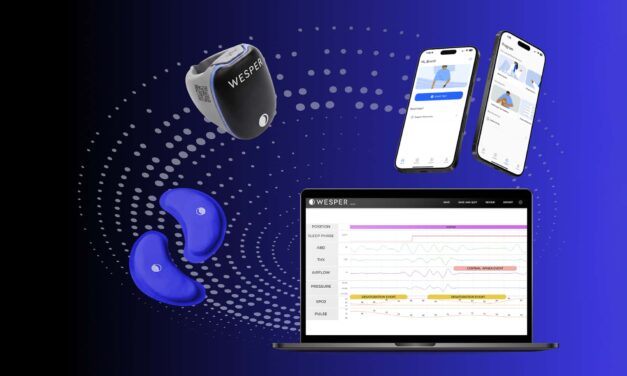
The ecosystem integrates two diagnostic levels into one patient record to help physicians personalize sleep apnea diagnostics and monitoring.
Read More
Geographic location is an independent factor in whether high-risk patients receive evaluations for obstructive sleep apnea in primary care settings.
Read More
Military veterans with comorbid insomnia and sleep apnea (COMISA) face a significantly greater chance of developing diabetes than those with only one condition.
Read More
Clinical focus on classical sleep apnea symptoms may lead to diagnostic delays for female patients who experience more atypical symptoms.
Read More
New AASM survey data shows men and younger adults are most likely to report better sleep with marijuana use.
Read More![[Featured Report] Overnight Pulse Oximetry](https://respiratory-therapy.com/wp-content/uploads/2026/05/MONITORING__Nonin__NoninHealthWristOx2-627x376.jpg)
From assessing hypoxia and supplemental oxygen needs in respiratory patients to screening obstructive sleep apnea and evaluating dental sleep appliances, overnight pulse oximetry (OPO) offers noninvasive, cost-effective monitoring, as new technologies further streamline care.
Read More
New research suggests that a side-sleeping device can lead to permanent behavioral changes, providing an alternative for patients who struggle with CPAP adherence.
Read More
Patients who fail to meet initial Medicare adherence thresholds for CPAP therapy often continue to benefit from therapy after one year.
Read More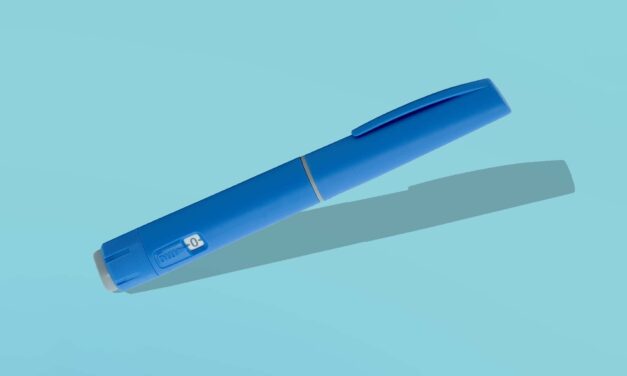
A subgroup of patients using the GLP-1 tirzepatide experience nearly twice the improvement in sleep apnea severity compared to other participants.
Read More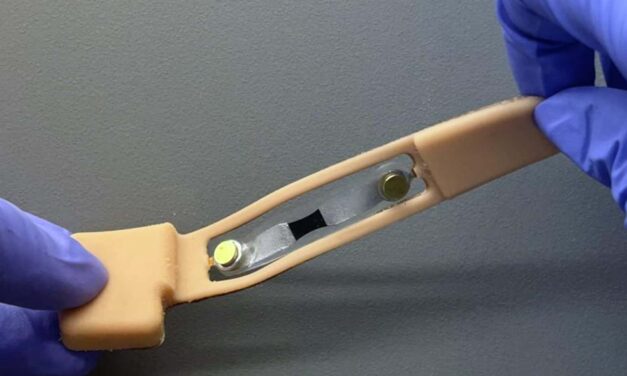
Researchers developed a soft, skin-like nasal patch to track sleep apnea breathing patterns without the need for bulky tubes or wires.
Read More
Poor sleep is associated with increased tau protein accumulation and memory issues specifically in women with a higher genetic predisposition to Alzheimer’s disease.
Read More