
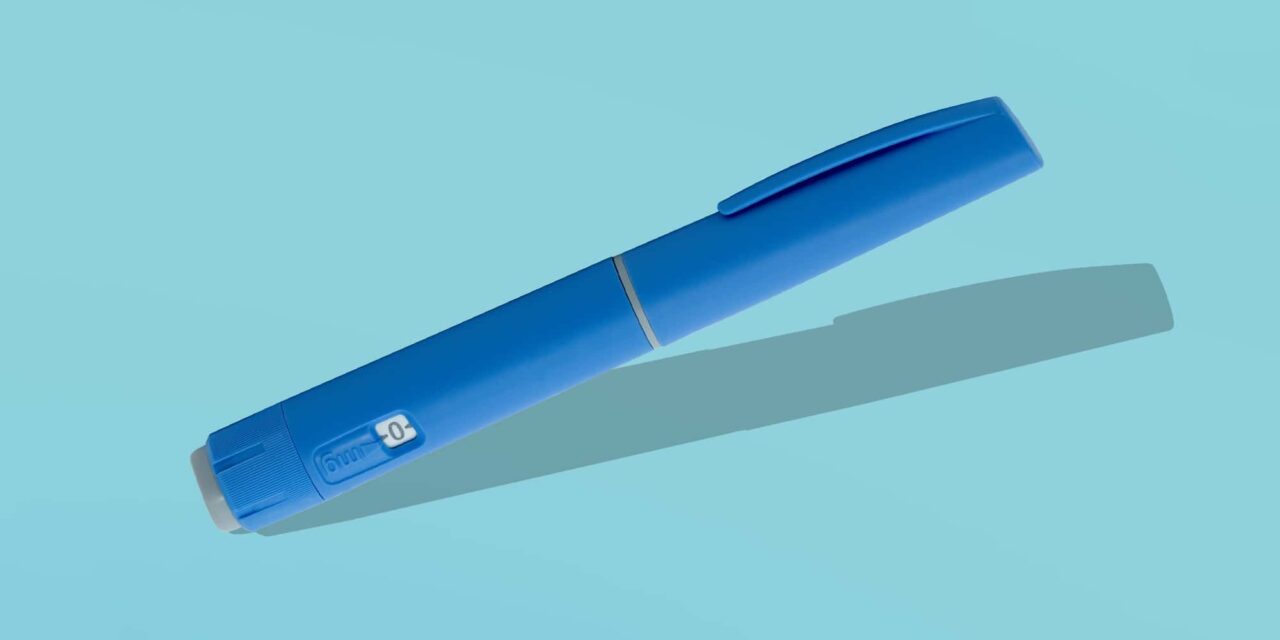
New research identifies a specific group of patients who experience significantly better outcomes when using the GLP-1 weight-loss medication for obstructive sleep apnea.
RT’s Three Key Takeaways:
- Strong Response Subtype: Research presented at the 2026 ATS International Conference identified a subgroup of patients who experienced nearly twice the improvement in sleep apnea severity compared to other participants.
- Predictive Characteristics: Patients likely to see the best outcomes are typically younger with milder obesity and exhibit specific physiological traits such as high loop gain and severe upper-airway collapsibility.
- Personalized Treatment Goals: The identification of these “strong responders” allows clinicians to provide more accurate expectations for sleep healthcare and determine which patients may require additional therapies.
Researchers have identified which patients with obstructive sleep apnea (OSA) and obesity are likely to see the most significant improvements from GLP-1 tirzepatide treatment, according to data presented at ATS 2026.
While glucagon-like peptide-1 (GLP-1) medications are known to improve sleep apnea in patients with obesity, the study found that not all patients benefit equally. Patients identified in a “strong response” subtype experienced nearly twice the improvement in sleep apnea compared to others in the study. This marks the first time a subgroup of strong responders has been identified for this specific treatment.
“We are excited about these findings because they offer the chance to now be able to share with patients: ‘You have the characteristics that place you in a group of patients who respond remarkably to tirzepatide weight loss therapy.’ Or, by contrast, ‘You have characteristics that suggest additional treatments might still be needed,’” said Scott Sands, PhD, associate professor of medicine at Brigham and Women’s Hospital, Harvard Medical School, in a news release.
Identifying the Strong Response Endotype
For the study, researchers conducted a secondary analysis of data from a previous clinical trial of tirzepatide in patients with OSA and obesity. They identified a “strong response endotype,” which consisted of a subgroup of patients who saw significantly better outcomes than other participants.
According to the data, these patients were generally younger and had milder obesity. They also possessed specific physiological characteristics related to the underlying cause of their sleep apnea, including more severe upper-airway collapsibility, greater breathing control instability—referred to as high loop gain—and a tendency to wake more easily during airflow obstruction.
Dr Sands said the finding that greater loop gain predicted treatment effectiveness was initially surprising. However, further analysis showed that tirzepatide treatment helps improve both breathing instability and upper-airway collapsibility, suggesting these factors could be additional targets for the therapy.
Improving Clinical Counseling
The findings help address a gap in the ability of physicians to counsel patients and identify those who could benefit most from pharmacological intervention.
“Currently, clinicians can only point to the average treatment responses – showing that, on average, patients can expect around a halving of their sleep apnea severity beyond what is seen with a placebo,” said Sands, first author of the study, in a news release. “Ultimately we hope to take the guesswork out of this experience for patients and their sleep doctors.”
The research team intends to continue its work with future studies examining OSA outcomes across various pharmacological and non-pharmacological weight-loss therapies.
More information
Session/Presentation: C21
From Orexin Agonists to Oxybutynin: a New Era of Pharmacologic Therapies in Sleep Medicine
Tirzepatide Outcome Prediction Using Sleep Apnea Endotyping in SURMOUNT-OSA
Date and Time: Tuesday, May 19 at 10:27 am ET
Location: W110A (Level I, OCCC West Concourse)