Researchers ID Genes Linked to Severe Pediatric COVID-19
Study reveals shared biological responses among children hospitalized with COVID-19 and other serious lung infections.

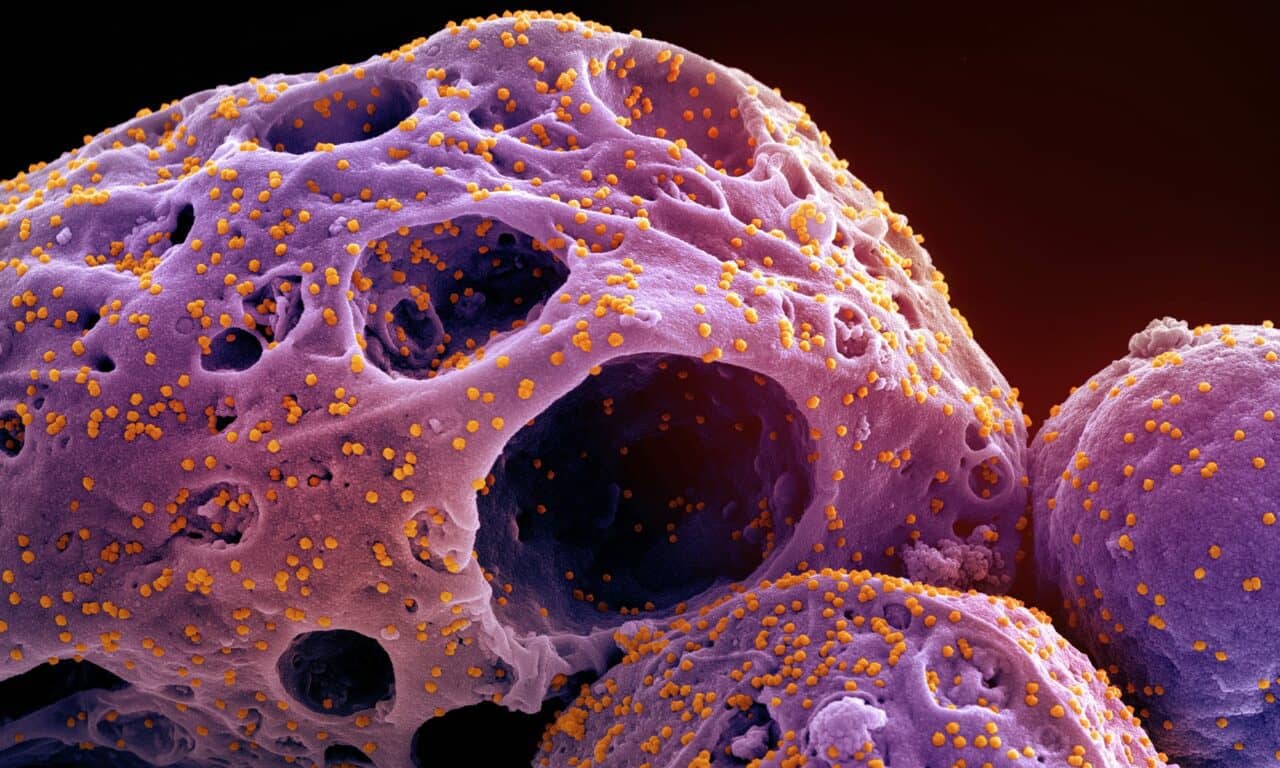
Study reveals shared biological responses among children hospitalized with COVID-19 and other serious lung infections.
Study reveals shared biological responses among children hospitalized with COVID-19 and other serious lung infections.
Read More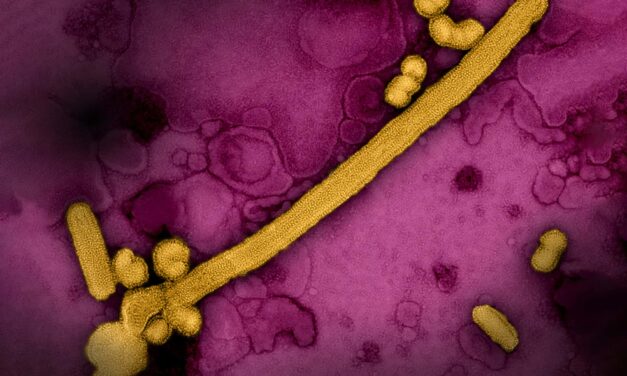
Study shows immune responses to flu and COVID-19 trigger lasting inflammation in the spine, hastening onset/progression of amyotrophic lateral sclerosis (ALS).
Read More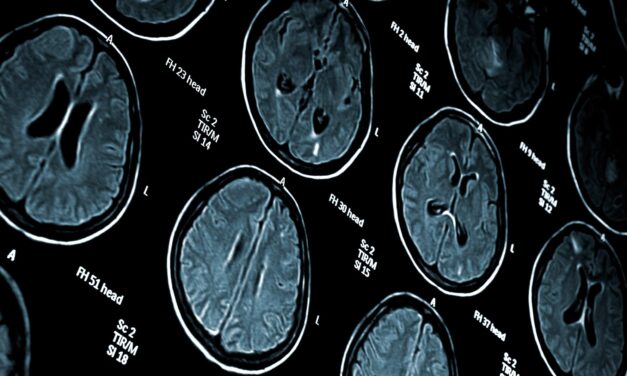
At-home magnetic stimulation for patients with long COVID produced sustained improvements in memory, processing speed, and emotional well-being.
Read More
The federal agency restructured its flu and COVID-19 units into a unified Influenza and Respiratory Viruses Division (IRVD).
Read More
AAP recommendations expand second-season RSV protection criteria for children ages 8 to 19 months, alongside updated infant COVID-19 vaccination recommendations.
Read More
New clinical recommendations emphasize the safety and importance of COVID-19, influenza, and RSV vaccines for individuals with weakened immune systems.
Read More
Updated formulas from Pfizer, Moderna, and Novavax target the circulating XFG variant for older adults and high-risk populations.
Read More
People with a COVID-19 history showed a significantly stronger breathing response following brief arousals from sleep.
Read More
The National Foundation for Infectious Diseases (NFID) launched an initiative to streamline evidence-based information regarding respiratory disease prevention.
Read More
Researchers discovered the nucleocapsid protein of SARS-CoV-2 triggers hyperinflammation in immune cells, potentially leading to vascular leakage in the heart and brain.
Read More
In kidney transplant recipients, early antiviral treatment with remdesivir reduced the risk of organ rejection and heart complications by nearly half for up to one year after diagnosis.
Read More
Researchers developed a system that redirects pre-existing antiviral signals to help the immune system recognize and attack cancer cells.
Read More
A study shows that a loss of immunity caused flu and RSV peaks to occur earlier in the season before returning to pre-pandemic patterns.
Read More
The BA.3.2 variant of COVID-19, nicknamed Cicada, features significant genetic changes that may impact vaccine effectiveness for patients with chronic lung disease.
Read More
Patients with long COVID receiving individualized cognitive rehab showed significantly higher goal attainment scores at three months compared to standard care.
Read More
The AMDI Fast PCR System provides point-of-care results for RSV, influenza, and COVID-19 in less than 10 minutes.
Read More
Research involving 2.5 million patients found no increase in serious adverse events when receiving both COVID-19 and influenza vaccinations during the same visit.
Read More
Researchers found that five core values—safety, knowledge, trust, humanity, and autonomy—shape how minority parents approach pediatric vaccination.
Read More
Researchers identified autoantibodies as a driver of long COVID symptoms in a subset of individuals, suggesting new treatment pathways.
Read More
Recent outbreaks of Hantavirus and Ebolavirus raise concerns about risks linked to travel, with responses varying between countries.
Read More
Children with long COVID report higher levels of fatigue and sleep disturbance than those with cancer or autism.
Read More
Vertical ventilation ducts in residential buildings can facilitate the spread of infectious respiratory aerosols in multi-family buildings.
Read More
A survey of frontline healthcare workers suggests a protein-based COVID-19 vaccine may cause fewer symptoms and less work disruption compared to mRNA options.
Read More
While maternal mortality rates have returned to pre-pandemic levels for many groups, deaths among Black mothers remain significantly elevated.
Read More