Severe Pneumonia May Signal Undiagnosed Blood Cancer in Adults
One-in-four adult patients hospitalized with invasive pneumococcal disease showed M protein in their blood, leading to new diagnoses of blood cancer or precursor conditions.


One-in-four adult patients hospitalized with invasive pneumococcal disease showed M protein in their blood, leading to new diagnoses of blood cancer or precursor conditions.

One-in-four adult patients hospitalized with invasive pneumococcal disease showed M protein in their blood, leading to new diagnoses of blood cancer or precursor conditions.
Read More
Leading medical societies warn that proposed changes and funding delays at the National Institutes of Health could disrupt active studies and patient care.
Read More
CVS and Walgreens are expanding walk-in access, multi-vaccine scheduling, and respiratory illness testing ahead of peak viral activity.
Read More
A national study finds significant inconsistency among doctors when interpreting lung sounds in children suspected of pediatric pneumonia.
Read More
New research suggests that nearly 10% of patients hospitalized with pneumonia in certain regions test positive for Coccidioides (valley fever).
Read More
International Space Station experiments use the unique environment of space to study the link between Streptococcus pneumoniae and long-term cardiovascular complications.
Read More
Pediatric influenza and Mycoplasma pneumoniae infections returned to pre-pandemic levels after COVID-19 restrictions were lifted.
Read More
Zepto Life Technology has introduced FungiFlex Pneumocystis jirovecii and the FungiFlex Mold Plus Panel testing assays.
Read More
New UNICEF/WHO data show that high drop-out rates for measles vaccines continue to fuel disease outbreaks.
Read More
Sam Neill, the actor famous for his role in the Jurassic Park films, died July 13th at the age of 78 due to pneumonia.
Read More
A study of Streptomyces bacteria reveals a coordinated attack on bacterial biotin production, offering a new strategy against multidrug-resistant infections.
Read More
A two-time NASCAR champion driver died Thursday from severe pneumonia that progressed into sepsis, according to multiple media outlets.
Read More
Patients with pneumonia or COPD faced higher mortality risks and readmission at facilities owned by private equity firms, according to new research.
Read More
Implementing specific protocols for older surgical patients can reduce complications such as delirium, falls, and pneumonia.
Read More
A short course of antibiotics was similarly effective to a longer course for patients hospitalized with community-acquired pneumonia (CAP).
Read More
A campaign from the American Lung Association urges vaccination for pneumococcal pneumonia, which hospitalizes 225,000 Americans each year.
Read More
The 2026 AAP recommendations remain largely unchanged from 2025 but differ from the CDC’s new immunization schedule.
Read More
Severe vitamin D deficiency is associated with a higher rate of hospitalization for respiratory tract infections such as bronchitis and pneumonia.
Read More
Increases in serum vitamin D were associated with a modest but statistically significant reduction in the risk of hospitalization for respiratory tract infections.
Read More
Tuberculosis (TB) precision medicine may shorten therapy by using clinical phenotypes to guide stratified treatment with monitoring.
Read More
Locus Biosciences will conduct a clinical trial for its Ai-designed bacteriophage therapeutic for HAP/VAP caused by antibiotic-resistant P. aeruginosa.
Read More
New research challenges the assumption that human rhinovirus is a direct cause of pneumonia in adults, providing evidence that rhinovirus can infect the lower lungs and independently drive pneumonia.
Read More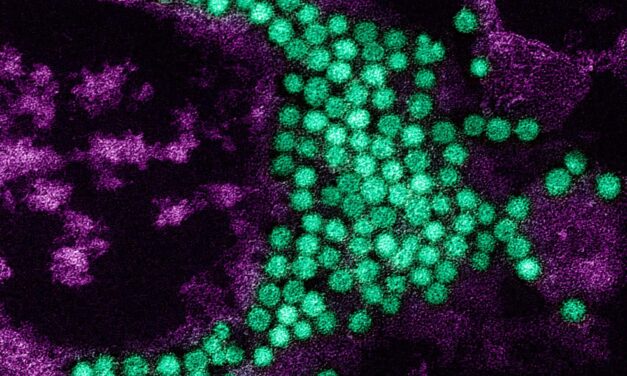
People with HIV who had CD4 counts of 500 cells/µL or higher and were on ART for at least one year showed far lower incidence rates of community-acquired pneumonia.
Read More
Polyurethane-cuffed endotracheal tubes with subglottic suction (PU-EVAC) did not reduce incidence of IVAC or possible VAP compared with a standard PVC ET tubes.
Read More