Invasive Mold Disease Tied to High ICU and Ventilation Rates
Half of patients with invasive mold infections require mechanical ventilation, with significantly higher mortality observed in those with recent COVID-19.


Half of patients with invasive mold infections require mechanical ventilation, with significantly higher mortality observed in those with recent COVID-19.

Half of patients with invasive mold infections require mechanical ventilation, with significantly higher mortality observed in those with recent COVID-19.
Read More
Researchers identified the factors that are most likely to create hazardous respiratory conditions inside homes after hurricane-related flooding.
Read More
The liquid biopsy panel identifies fungal DNA in plasma to help clinicians diagnose life-threatening infections in immunocompromised patients.
Read More
A large-scale mold intervention in New York City public housing resulted in nearly 2,800 fewer annual asthma-related emergency department visits.
Read More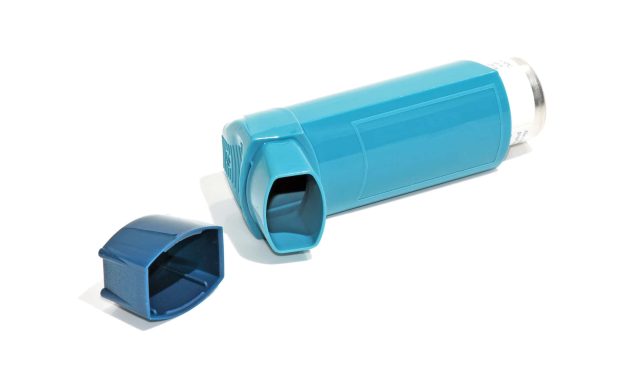
Reducing dampness through insulation and ventilation improvements can lead to measurable reductions in asthma treatments, particularly for pediatric populations.
Read More
A mold reduction initiative in New York City resulted in 2,798 fewer emergency department visits per year for asthma exacerbation.
Read More
The FungiFlex Mold Panel provides a noninvasive alternative to biopsies for identifying invasive fungal infections in immunocompromised patients.
Read More
RT’s CRCE-approved webinar “Invisible Risks: Addressing Indoor Air Quality Among Patients,” is now available for on-demand viewing.
Read More
A new study has linked mold exposure in the home to hypersensitivity pneumonitis, revealing a significant and under-recognized risk factor.
Read More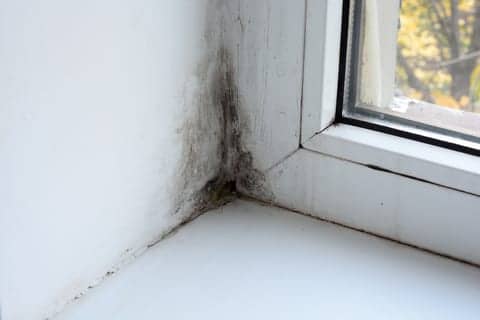
The Guardian reported on the case of a woman with hypersensitivity pneumonitis who was exposed to mold.
Read MorePoorer people are much more likely to die from chronic obstructive pulmonary disease (COPD) than wealthier patients due to damp housing and low pay, researchers have found.
Read More
COPD patients who engage in activities that put them at risk of being exposed to mold are more likely to experience disease flare-ups.
Read More
Researchers discovered a new Aspergillus hybrid that is found in medical settings and can infect human lungs.
Read More
Researchers have pinpointed a new way that common molds can attack the protective tissue barrier deep in the lungs and spur future asthma attacks, according to new research published in the peer-reviewed journal Cell Host & Microbe.
Read MoreA new law went into effect last month that seeks to hold New York City landlords more accountable for asthma-inducing housing violations, like mice, rats, mold and more. Though the jury is still out on whether the Asthma-Free...
Read MoreA team at The University of Manchester have found that in a minority of patients they studied, a standard treatment for asthma—oral steroids—was associated with increased levels of the treatable mold Aspergillus in the lung. The...
Read MoreEach year more than 150 people die from the result of flooding, many during the re-entry process from electrocution, carbon monoxide poisoning, or other accidents occurring during remediation.
Read More
Damp homes were correlated with respiratory issues in a survey study described by Reuters. “This...
Read MoreThere is an increased risk of asthma and rhinitis for children up to 16 years of age when they are exposed to mold and dampness during infancy.
Read MoreA University of Kentucky article indicates that mold spores can flare asthma and indoor and outdoor molds can contribute to allergy symptoms.
Read More
A research study by scientists at the Perelman School of Medicine found that toxins from a type of mold called aflatoxins can weaken the airways’ self-clearing mechanisms and immunity, which may lead to respiratory diseases and the exacerbation of existing ones.
Read MoreA new study reveals that children seem to be more likely to develop asthma if their kitchens, living rooms, or bedrooms have moisture damage or mold.
Read MoreResearch has found that the presence of several types of mold can lead to breathing problems in asthma sufferers, as well as increasing the likelihood of developing the condition.
Read MoreApproximately 50% of cystic fibrosis patients are also infected by the Aspergillus fungus, which is caused by an exposure to mold, according to new research.
Read More