Reducing dampness through insulation and ventilation improvements can lead to measurable reductions in asthma treatments, particularly for pediatric populations.
RT’s Three Key Takeaways:
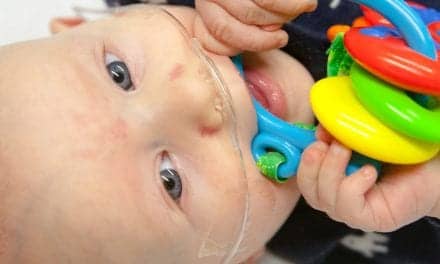
- Pediatric Health Impact: Children living in retrofitted homes saw a 3.76% decrease in respiratory medication use, suggesting they benefit significantly from improved housing conditions.
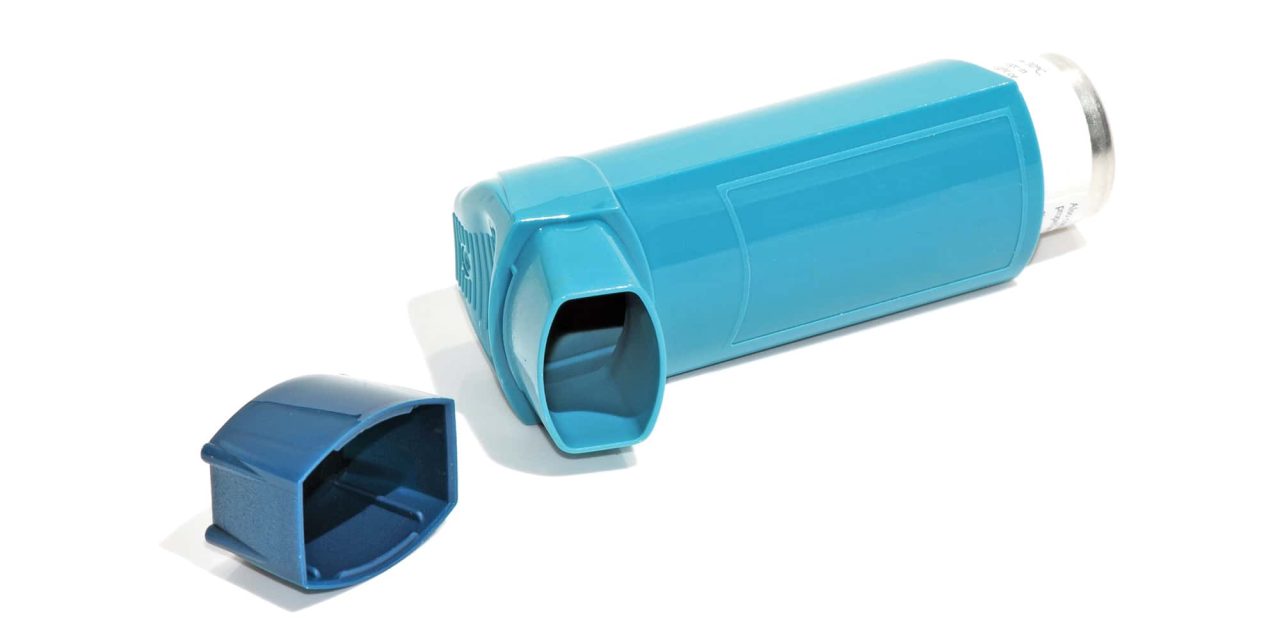
- Reduced Asthma Treatment: Long-term data indicates that asthma medication use fell by 6.91% five years after energy efficiency upgrades were completed.
- Environmental Risk Factors: The study reinforces that home dampness is a modifiable risk factor that directly influences population-level respiratory health outcomes and treatment needs.
New large-scale evidence indicates that home energy efficiency upgrades are associated with lower respiratory medication use, especially among children, according to a study published in The Lancet Public Health.
The research provides insight into how structural improvements that reduce dampness can influence real-world healthcare outcomes. By targeting poorly insulated homes built before the early 1990s, these interventions aimed to address environmental drivers of respiratory disease at the population level.
Researchers followed 2 million individuals in the Netherlands over 10 years, totaling approximately 12 million person-years. The study compared medication use among 180,000 tenants in retrofitted homes with those in homes that had not yet been upgraded.
According to the data, antihistamine use declined by 1.87% after retrofits. Among children younger than 18 years, respiratory medication use fell by 3.76%. After five years, asthma medication use was reduced by 6.91%. The researchers found no statistically significant effects for non-respiratory medication outcomes or overall healthcare costs.
Dampness is a recognized contributor to poor indoor air quality and is linked to mold growth, allergens, and respiratory illness. While governments worldwide have invested in retrofitting older housing to improve insulation and ventilation, robust evidence regarding specific health outcomes has previously been limited.
The results reinforce the role of dampness as a modifiable environmental risk factor in respiratory disease. While the effect sizes were modest, the researchers noted that the population-level impact is substantial given the scale of exposure.
From a policy perspective, the study suggests that integrating health outcomes into housing and energy efficiency programs could enhance their value. Future research may explore the long-term benefits and identify which specific patient groups benefit most from dampness reduction strategies.
Reference
Roberdel VP et al. Effect of energy-efficient homes on residents’ health: evidence from a natural experiment in the Netherlands. The Lancet Public Health. 2026;DOI:10.1016/S2468-2667(26)00023-X.
This article was originally published by EMJ and was made available under the terms of the Creative Commons Attribution-Non Commercial 4.0 License.