Researchers identified the factors that are most likely to create hazardous respiratory conditions inside homes after flooding.
RT’s Three Key Takeaways:
- Primary Risk Factors: Roof age, indoor mold spore prevalence, and maximum flood depth were identified as the most significant predictors of new respiratory symptoms in post-flood environments.
- Delayed Symptom Onset: Respiratory health impacts often emerge gradually, with mold exposure and health symptoms persisting five to seven months after a hurricane makes landfall.
- Intervention Prioritization: The study provides a framework for homeowners and healthcare officials to identify high-risk buildings and implement repairs to improve indoor air quality.
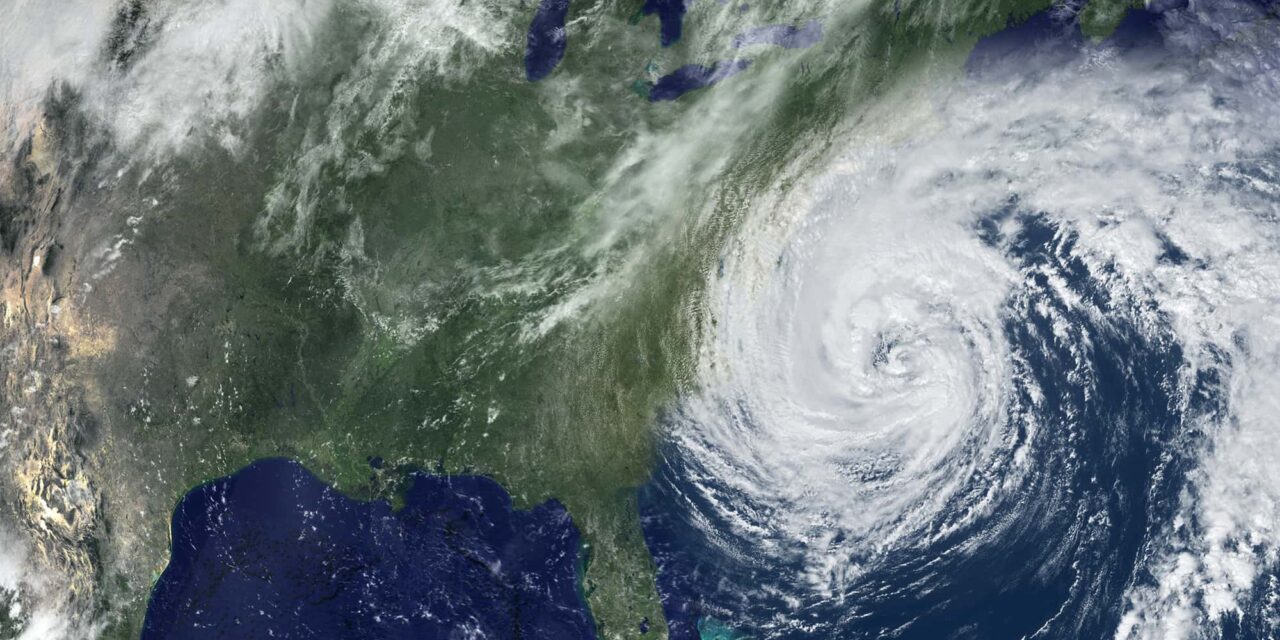
In communities afflicted by hurricane flooding, roof age, the prevalence of indoor mold spores, and maximum flood depth led to the most new respiratory symptoms among the individuals studied, according to research published in the Journal of Cleaner Production.
Other important factors included airflow rates in bathroom exhaust fans, the frequency with which residents opened window blinds, and the airtightness of the building, according to the study from researchers at the FAMU-FSU College of Engineering and Florida State University’s Resilient Infrastructure and Disaster Response Center.
“We pay a lot of attention to direct impacts immediately after storms, but hazardous conditions can linger after floodwaters recede,” said Ebrahim Ahmadisharaf, assistant professor and study co-author, in a news release. “Although the respiratory health impacts of flooding are indirect and may emerge gradually, timely intervention offers the best chance for supporting health. We wanted to pinpoint which factors were most harmful, because that tells us where intervention can do the most good.”
The researchers examined residential buildings damaged after Hurricane Ida, which made landfall near New Orleans in 2021, and Hurricane Ian, which passed through South Florida in 2022. The data was separated into three geographic groups: Louisiana, the Northeast US, and Central and Southern Florida.
Working with public healthcare researchers, the team surveyed residents whose homes were impacted by the two hurricanes. Because flood-related mold exposures and respiratory health effects can persist, researchers conducted health surveys and mold sampling five to seven months after the storms.
The team combined survey results with home inspections, lab analyses of indoor and outdoor mold spores, and flood modeling to develop a building-scale database. This allowed for the analysis of connections between post-hurricane environmental factors and respiratory health, including building properties, human indoor activities, mold levels, and flood characteristics.
Although researchers have long known that mold leads to respiratory problems, this study presented a systematic examination of how conditions after flooding can exacerbate the growth of hazardous mold.
“Knowing the factors that are most likely to affect health gives us a guide for how to intervene before health problems begin,” said Yassir AbdelRazig, professor and study co-author. “We know that resources for investment — for property owners and for outside agencies — are limited. This study gives a framework for what interventions can have the greatest impact.”
The research is intended to help homeowners, healthcare officials, insurance companies, and emergency managers understand where health risks are greatest to develop strategies to minimize issues.
The researchers noted that the same problems can manifest after storms that do not receive national attention. Nuisance flooding, which does not pose an immediate threat to life or cause major property damage, can still lead to water intrusion and create conditions for mold growth.
Future research may include a larger number of buildings to offer more robust analyses. Ahmadisharaf said a project using a control building without residents could examine the gradual effects of water intrusion over time to better understand how mold develops and affects indoor air quality.