Tele-ICU Program Reduced Hospital LOS
A study found that remote ICU support lowered hospital length of stay, but did not increase ventilator utilization.


A study found that remote ICU support lowered hospital length of stay, but did not increase ventilator utilization.

A study found that remote ICU support lowered hospital length of stay, but did not increase ventilator utilization.
Read More
Ai identified intubated patients who pass standard extubation readiness tests but remain at twice the risk of returning to a ventilator.
Read More
Researchers at UCLA use human stem cell-derived models to replicate the brain wave patterns produced by general anesthesia.
Read More
Researchers are developing an automated tool to identify respiratory discomfort when ventilated patients are unable to communicate.
Read More
Scheduled 30-minute naps helped hospital residents manage simulated cardiac arrest crises during 24-hour shifts, according to a clinical trial.
Read More
Draeger issued a letter to affected customers recommending certain VentStar Resus Neo hoses be removed from where they are used or sold, according to an FDA early alert.
Read More
Half of patients with invasive mold infections require mechanical ventilation, with significantly higher mortality observed in those with recent COVID-19.
Read More
A New Jersey hospital reversed an upward trend of unplanned extubation rates and maintained the improvement for five years.
Read More
Pressure control-volume guarantee (PCV-VG) ventilation improved intraoperative respiratory mechanics but did not significantly reduce postoperative pulmonary complications compared with conventional volume control ventilation in patients undergoing emergency abdominal surgery.
Read More
A two-time NASCAR champion driver died Thursday from severe pneumonia that progressed into sepsis, according to multiple media outlets.
Read More
React Health is removing certain VOCSN V+Pro units due to a potential oxygen leak condition prior to or during ventilation.
Read More
A manufacturing error in the ventilator motor assembly may cause mechanical ventilation to fail before or during use, according to an FDA early alert.
Read More
Mechanical ventilation is one of the most common ICU interventions, and understanding and accurately interpreting ventilator graphics may reduce risks and improve patient outcomes.
Read More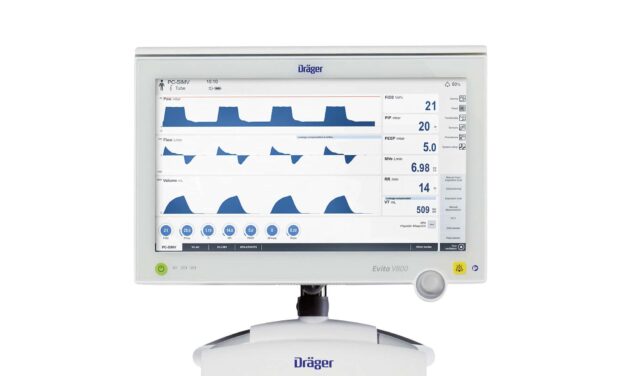
The Draeger Evita V800 is designed to improve clinical workflows and support lung protection for patients of all ages.
Read More
Researchers at UC San Diego Health are leading a $12 million multi-site study to identify effective sleep-promotion strategies for critically ill patients.
Read More
It’s important to liberate from mechanical ventilation in a timely manner while avoiding extubation failure and reintubation. This article will explore six considerations for weaning patients from mechanical ventilation and moving toward successful extubation, or planning for prolonged ventilatory support.
Read More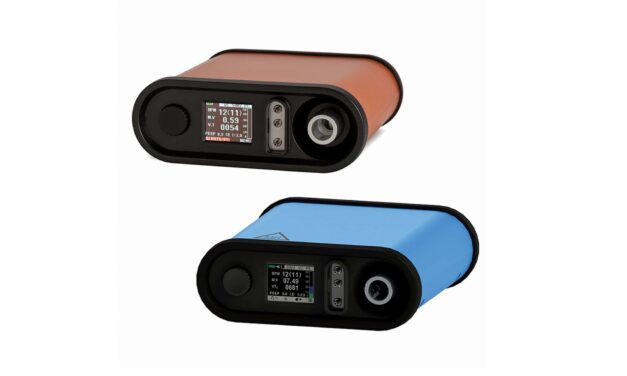
Available from Solutions in Critical Care, the Inovytec Ventway Sparrow series provides lightweight, durable ventilation solutions for adult and pediatric patients in various healthcare settings.
Read More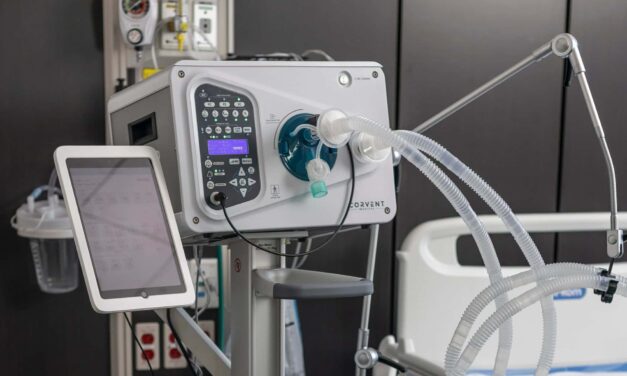
The Respond Ventilator features a five-year warranty and a simplified interface to support clinical staff across all care areas.
Read More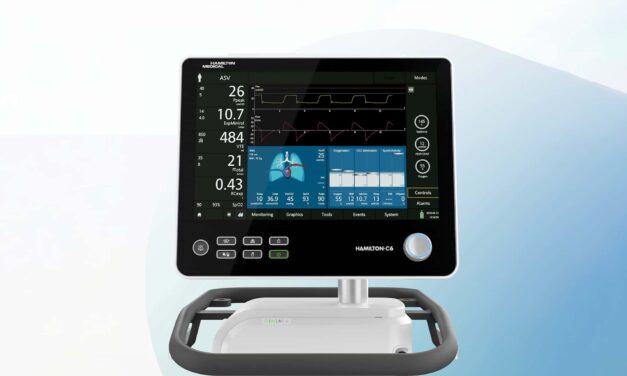
The Hamilton-C6 includes automated ventilation modes and a turbine-driven design to support mobility and patient-ventilator synchrony.
Read More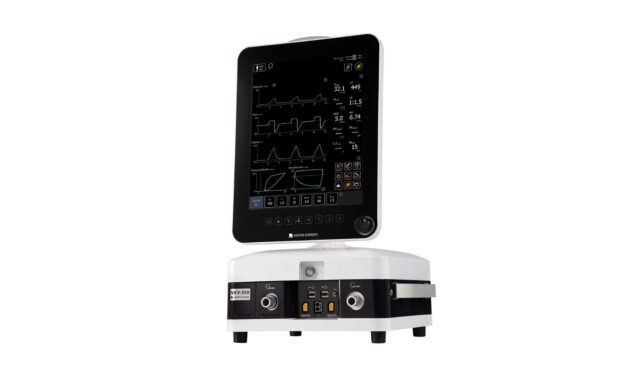
The NKV-550 Series Ventilator System allows clinicians to transition between therapy modes and manage patients from outside isolation rooms.
Read More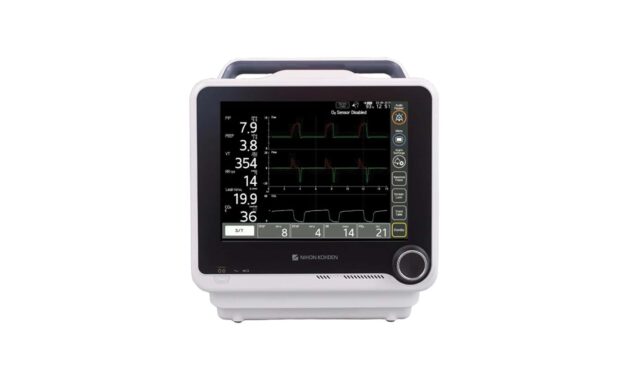
The Nihon Kohden NKV-330 Ventilator provides noninvasive and invasive respiratory support for adult and pediatric patients.
Read More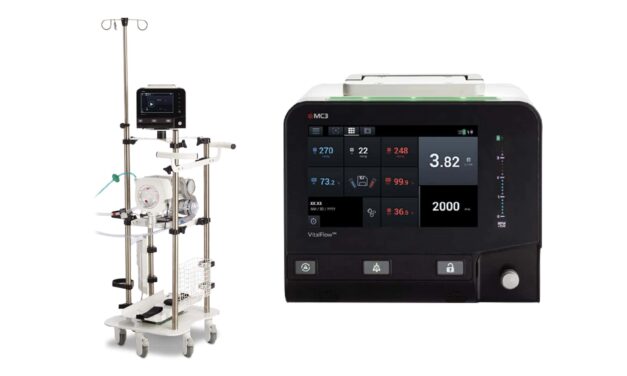
The VitalFlow ECMO system is designed to simplify bedside monitoring and patient transport within healthcare facilities.
Read More
Understanding care gaps from restricted video electroencephalography (EEG) availability is critical for improving NICU seizure management, where delays impact neurodevelopment.
Read More
Pregnant women were nearly 3.5 times more likely than non-pregnant women to require respiratory support when hospitalized for COVID-19.
Read More