Inhaled Nanoplastics Trigger Acute Lung Inflammation
Common plastic particles from everyday items can cause lung inflammation comparable to or greater than diesel exhaust.


Common plastic particles from everyday items can cause lung inflammation comparable to or greater than diesel exhaust.

Common plastic particles from everyday items can cause lung inflammation comparable to or greater than diesel exhaust.
Read More
Preemptive electrical power shutoffs intended to prevent wildfires are associated with increased emergency visits and hospitalizations, especially when smoke is present.
Read More
Two studies link fine particulate matter from wildfires to increased hospital admissions and lower lung cancer survival.
Read More
Researchers identified the factors that are most likely to create hazardous respiratory conditions inside homes after hurricane-related flooding.
Read More
Researchers validated a technique using videofluoroscopic recordings to measure liquid infiltration and accumulation in the lungs.
Read More
Higher alcohol consumption is associated with increased risk of small airway obstruction, even before major lung disease develops.
Read More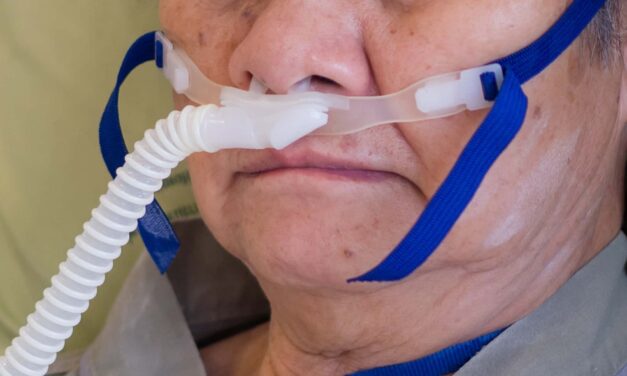
Compared to standard O2 therapy, high-flow nasal cannula did not lower mortality in in acute hypoxemic respiratory failure but may reduce the need for intubation, according to new data from the SOHO trial.
Read More
Detroit Pistons guard Cade Cunningham has been diagnosed with a pneumothorax in his left lung and will miss “an extended period of time,” according to multiple media reports including ESPN.
Read More
Pittsburgh Steelers defensive end TJ Watt had surgery on Dec 11 to repair a pneumothorax that occurred after a treatment called “dry needling.”
Read More
A genetic variant may drive development of chronic lung allograft dysfunction (CLAD) in lung transplant recipients.
Read More
Findings suggest that the endothelial gene ALOX15 gene protects against sepsis-induced lung injury.
Read More
Lung cells have a molecular “switch” that determines whether they focus on repairing tissue, or fighting infection.
Read More
New data suggests using portable ultrasounds to examine patients presenting with dyspnea led to better diagnoses, shorter hospital stays and big cost savings, but additional training and workflow integration is needed for clinicians.
Read More
A new engineered protein-based therapy called RcoM-HBD-CCC acts like a sponge to soak up carbon monoxide from the blood.
Read More
Hospitalized adults at risk for opioid use disorder had 47% lower odds of being readmitted to the hospital within 30 days after their initial discharge if they were screened by Ai.
Read More
An unidentified respiratory virus is suspected to be the sole cause of Kawasaki disease, a rare condition that typically affects children under five-years-old.
Read More
A combination of mRNA and a new lipid nanoparticle could help heal damaged lungs, according to UPenn researchers.
Read More
Radiometer and Etiometry signed a new commercial partnership to enhance clinical decision making and workflows in hospital settings.
Read More
Researchers examined the role of Orai1, a membrane calcium-selective ion channel protein, in pancreatitis-associated acute lung injury.
Read More
New Orleans Pelicans guard CJ McCollum has been diagnosed with a “small” pneumothorax and will be out indefinitely to undergo medical evaluation, according to the NBA.
Read More
Research reinforced the efficacy and safety of Acthar Gel, an FDA-approved therapy for autoimmune and inflammatory diseases like sarcoidosis.
Read More
Neonatal pulmonary disorders may require additional respiratory support beyond supplemental oxygen, such as nasal CPAP, HFNC, nasal BiPAP, NIPPV, nHFOV, or even NIV-NAVA.
Read More
A novel treatment for opioid-induced respiratory depression that administers electrical pulses to the back of the neck helped anesthetized patients undergoing neurosurgery regain respiratory control following high dosage opioid use.
Read More
Exposure to the parasitic roundworm Ascaris lumbricoides among young men can cause a striking reduction in lung function and nearly five times higher odds of having asthma compared to the non-exposed.
Read More