Recall for GE Healthcare Patient Monitoring System
GE HealthCare has issued updated use instructions for Portrait Mobile Monitoring Solutions devices operating on certain versions of Portrait Core Services software, according to an FDA alert.


GE HealthCare has issued updated use instructions for Portrait Mobile Monitoring Solutions devices operating on certain versions of Portrait Core Services software, according to an FDA alert.

GE HealthCare has issued updated use instructions for Portrait Mobile Monitoring Solutions devices operating on certain versions of Portrait Core Services software, according to an FDA alert.
Read More
GE HealthCare issued updated use instructions for all Portrait Mobile Monitoring Solutions operating on certain versions of Portrait Core Services software, according to an FDA early alert.
Read More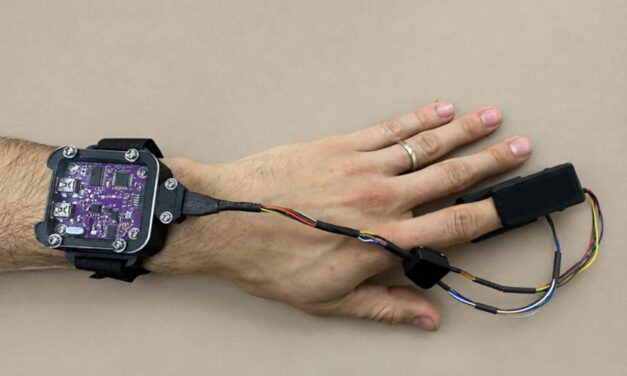
The ChromaSense pulse oximeter aims to eliminate skin tone bias by using reflective light technology to provide accurate oxygen saturation readings across diverse patient populations.
Read More
Masimo has appointed Tim Benner as president, effective August 3, 2026, according to a company news release.
Read More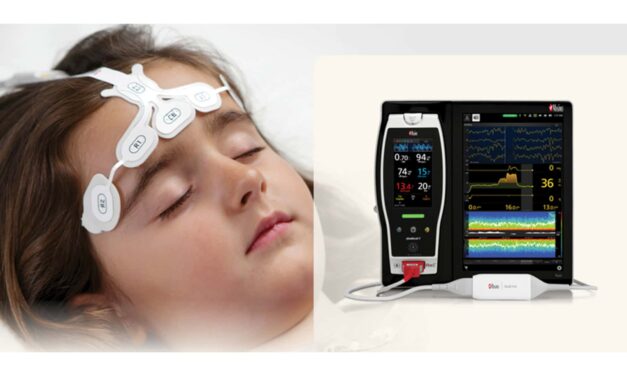
Masimo received FDA 510(k) clearance for the Patient State Index (PSi) , a new monitoring index that helps clinicians track brain activity and sedation levels in children during surgery and intensive care.
Read More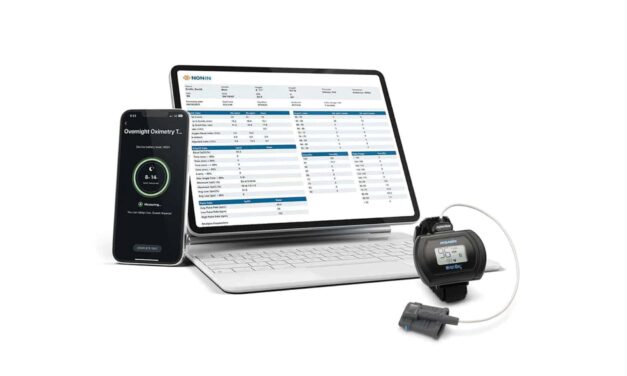
RT looks at some of the latest measurement devices and patient monitoring solutions available from Braebon, Bridge-Tech Medical, Hans Rudolph, MicroDirect/MD Spiro, Nonin Medical, Responsive Respiratory, Salaera, and Sentec.
Read More
The new portfolio includes smart monitoring and cueing devices designed to support proactive patient care and data-driven insights.
Read More
New research suggests acoustic speech features can identify respiratory exacerbations from the first day of onset.
Read More
Autonomous Healthcare received FDA De Novo marketing authorization for Syncron-E, a software that supports the assessment of patient-ventilator asynchrony by detecting evidence of ineffective efforts.
Read More
A collaboration between Jiva.ai and Aevice Health has developed a predictive model that identifies potential asthma exacerbations up to 72 hours in advance.
Read More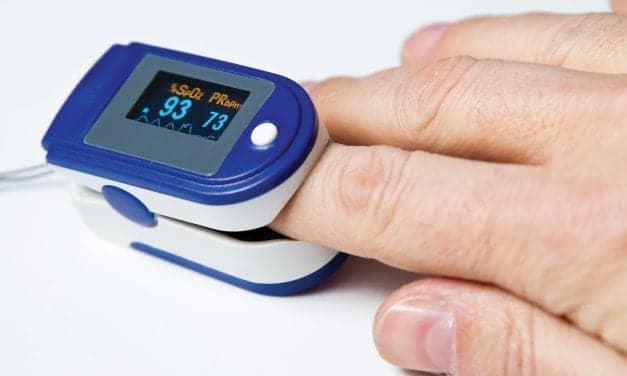
Remote monitoring did not increase the time spent at home after discharge among patients hospitalized with sepsis or lower respiratory tract infection, according to results from a randomized clinical trial of 1,286 adults.
Read More
The software-as-a-medical-device allows for contactless measurement of respiratory and pulse rates using only a standard smartphone camera.
Read More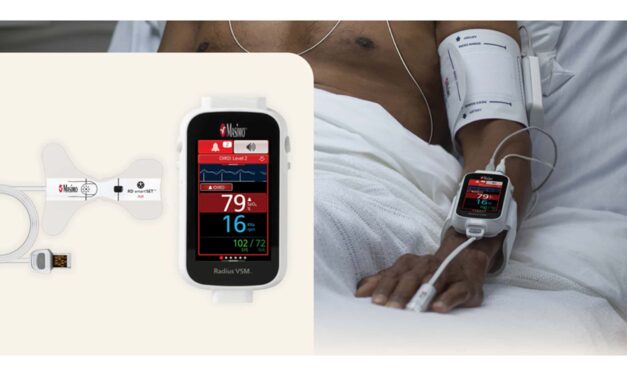
Masimo’s Radius VSM wearable monitor uses pattern recognition to help ID early signs of opioid-induced respiratory depression (OIRD).
Read More
The BreatheLink platform allows patients to transmit overnight oximetry data from their own smartphones, reducing the time required to set up home oxygen therapy.
Read More
Danaher Corp completed the acquisition of Masimo Corp for $9.9 billion.
Read More![[Featured Report] Overnight Pulse Oximetry](https://respiratory-therapy.com/wp-content/uploads/2026/05/MONITORING__Nonin__NoninHealthWristOx2-627x376.jpg)
From assessing hypoxia and supplemental oxygen needs in respiratory patients to screening obstructive sleep apnea and evaluating dental sleep appliances, overnight pulse oximetry (OPO) offers noninvasive, cost-effective monitoring, as new technologies further streamline care.
Read More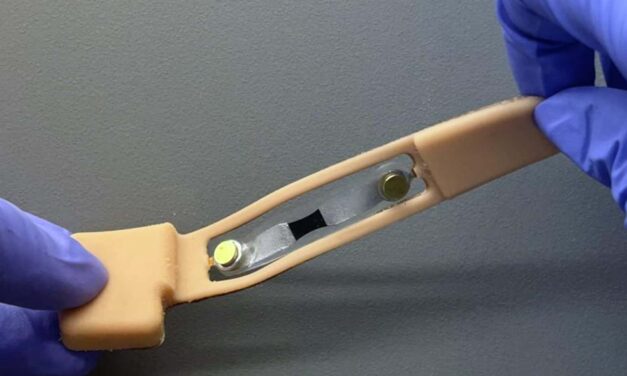
Researchers developed a soft, skin-like nasal patch to track sleep apnea breathing patterns without the need for bulky tubes or wires.
Read More
The new suite integrates workflows for COPD, lung nodules, and pulmonary embolism to improve patient follow-up and treatment times.
Read More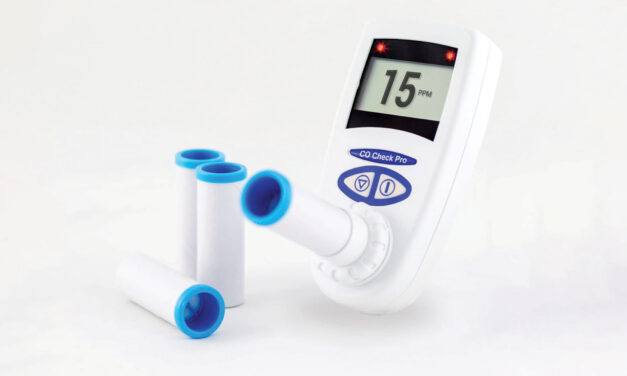
The CO Check Pro is designed for use in both smoking cessation programs and emergency healthcare settings for the detection of carbon monoxide poisoning.
Read More
A Mayo Clinic study demonstrates that at-home monitoring provides actionable data and reduces the travel burden for post-transplant patients.
Read More
A Mayo Clinic study indicates that home monitoring kits can identify early complications and reduce travel burdens for transplant recipients.
Read More
Researchers developed a contactless method using radio frequency identification (RFID) technology to track respiratory function.
Read More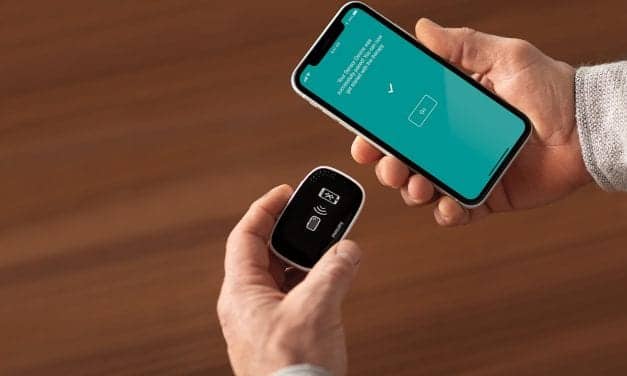
Sleep metrics from wrist monitors can identify which COPD patients may need more support during pulmonary rehab.
Read More
Masimo Corp will be acquired by Danaher Corp for $9.9 billion, according to multiple media reports including Reuters.
Read More