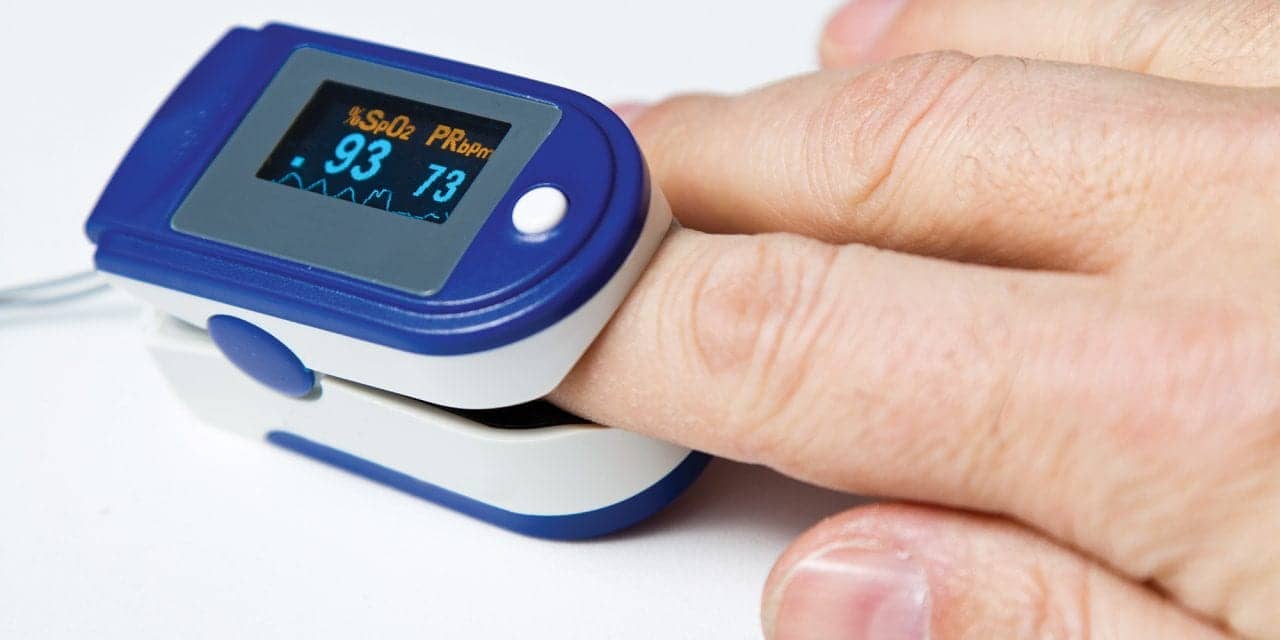
Remote monitoring did not increase the time spent at home after discharge among patients hospitalized with sepsis or lower respiratory tract infection, according to results from a randomized clinical trial of 1,286 adults.
RT’s Three Key Takeaways:
- No Clinical Benefit: A randomized trial found that remote patient monitoring did not increase the number of days spent at home or reduce hospital readmissions for patients recovering from sepsis or lower respiratory tract infections.
- Risks for Older Adults: Patients aged 65 years or older who used remote monitoring experienced fewer days at home and higher readmission rates compared to those receiving usual care.
- Personalization is Required: Researchers suggested that remote monitoring after sepsis may require more personalized design and clearer escalation pathways to effectively reduce readmissions and align with patient needs in postacute healthcare.
Remote monitoring did not increase time spent at home after discharge among patients hospitalized with sepsis or lower respiratory tract infection, according to results from a randomized clinical trial of 1,286 adults published in JAMA Network Open.
The trial evaluated whether remote monitoring after serious infection could reduce readmissions by identifying post-discharge deterioration earlier. Participants were randomized to usual care or one of four remote patient monitoring approaches, combining low or high intensity questionnaires with either a standard nurse response team or an enhanced nurse practitioner led response team.
Across all arms, the primary endpoint of days at home within 90 days was similar. Median postdischarge home days were 90 in the usual care arm and 90 in each remote monitoring arm, with overlapping interquartile ranges. Compared with usual care, cumulative odds ratios for postdischarge home days ranged from 0.86 to 1.01 across the four intervention strategies, with probabilities of superiority below 55% for all comparisons.
At least one readmission occurred in 37.8% of patients receiving usual care, compared with 39.7% in the low intensity standard response arm, 44.2% in the high intensity standard response arm, 37.3% in the low intensity enhanced response arm, and 36.3% in the high intensity enhanced response arm.
Subgroup findings were particularly notable among adults aged 65 years or older. In this group, both standard and enhanced response remote monitoring arms were associated with fewer home days compared with usual care, with inferiority probabilities of 99.6% and 97.9%, respectively. Readmission rates were also higher among older adults assigned to remote monitoring than among those receiving usual care.
The findings suggest that remote monitoring may trigger more alerts and clinical escalation without necessarily improving recovery after serious infection. This may be especially relevant for older adults and patients discharged to skilled nursing facilities, where postacute care needs are often complex.
Among 887 patients assigned to remote monitoring, 529 enrolled in the program. More than 10,000 questionnaires were sent, and nurses responded to more than 94% of alerts. Despite this level of protocol fidelity, the intervention did not improve primary or secondary outcomes.
Qualitative interviews suggested that many patients found remote monitoring easy to use and somewhat reassuring, but some reported frustration with standardized questionnaires and limited personal connection with call center teams.
The results do not suggest that patients recovering from sepsis or lower respiratory tract infection do not need postacute care support. Instead, they indicate that remote monitoring after sepsis may require more personalized design, clearer escalation pathways, and better alignment with patient needs before it can reliably reduce readmissions.
Reference
Yende S et al. Remote Monitoring Approaches to Reduce Readmissions After Infection and Sepsis. JAMA Netw Open. 2026;9(6).
This article was originally published by AMJ and was made available under the terms of the Creative Commons Attribution-Non Commercial 4.0 License.