Masimo received FDA 510(k) clearance for the Patient State Index (PSi) , a new monitoring index that helps clinicians track brain activity and sedation levels in children during surgery and intensive care.
RT’s Three Key Takeaways:
- Pediatric-Specific Algorithm: The Patient State Index is the first sedation score designed to address the unique brain physiology of pediatric patients aged 4 years and older.
- Bilateral Data Integration: The monitoring system uses data from both halves of the brain and is indicated for use with common anesthetic drugs, including propofol and sevoflurane.
- Clinical Correlation: Clinical data from 169 patients demonstrated that the algorithm correlates with manually scored anesthesia stages and identifies potential signs of oversedation in healthcare settings.
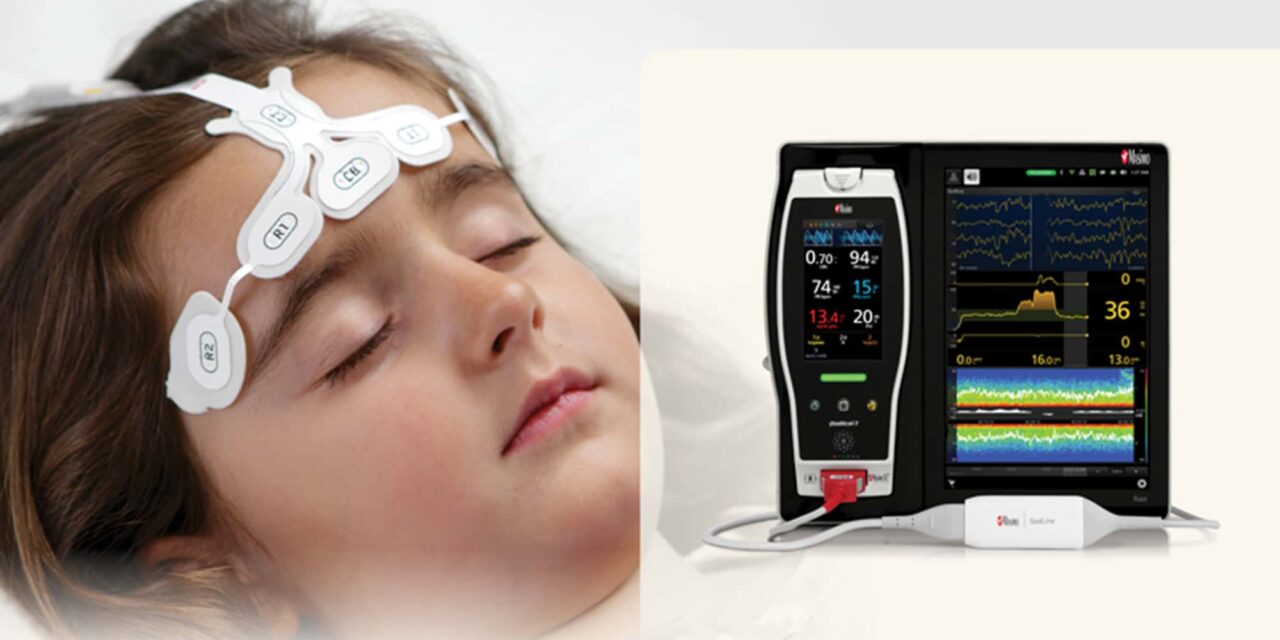
Masimo received USFDA 510(k) clearance for the Patient State Index (PSi) for pediatric patients. The score is designed for the unique physiology of the pediatric brain and serves as a feature of Masimo SedLine brain function monitoring.
The pediatric PSi helps clinicians monitor the depth of sedation for children 4 years and older in the operating room and intensive care unit. Because children’s brains respond differently to anesthesia than those of adults, the algorithm was specifically calibrated and validated for pediatric use.
“The risks of oversedating pediatric brains are significant,” said Zaccaria Ricci, director of anesthesiology and the PICU at Meyer Children’s Hospital, in a news release. “Their fragility makes it harder to achieve and maintain appropriate levels of sedation and also increases the chances that oversedation will lead to postoperative complications.”
The index is derived from bilateral brain data and is indicated for pediatric use with propofol and sevoflurane, which are two of the most common anesthetic drugs. The SedLine system processes electroencephalogram (EEG) signals from both halves of the brain to provide a picture of brain activity under anesthesia.
“As we learn more about how children’s brains function and respond to anesthesia, the value of sedation monitoring specifically designed for pediatric patients becomes more clear,” said Basil Matta, chief medical officer at Masimo, in a news release.
To obtain the clearance, researchers submitted clinical data from 169 pediatric patients. The results showed the algorithm was responsive and correlated with manually scored stages of anesthesia and instances of burst suppression, which is a sign of potential oversedation.
Masimo develops various monitoring technologies, including sensors, patient monitors, and connectivity solutions. According to the company, the PSi offers the ability to trend brain function data and include it in a hospital’s electronic medical record. While SedLine monitoring is indicated for children as young as 1 year old, the PSi feature is specifically indicated for those 4 years and older.