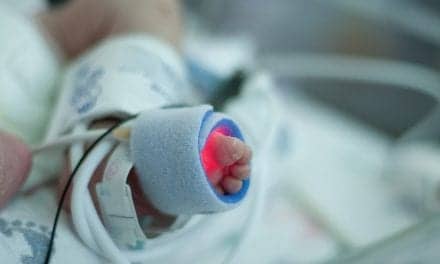
The first-of-its-kind tool helps respiratory therapists identify ineffective breathing efforts in mechanically ventilated patients.
RT’s Three Key Takeaways:
- New Regulatory Category: The Food and Drug Administration (FDA) established the ventilator waveform analysis software classification with the authorization of Syncron-E.
- Automated Asynchrony Detection: The software helps respiratory therapists identify ineffective efforts, which are the most frequent type of patient-ventilator mismatch and often go unrecognized during manual bedside checks.
- Clinical Impact: By providing a structured way to analyze recorded waveform data, the technology addresses a common problem associated with muscle injury, prolonged ventilation, and difficulty weaning.
Autonomous Healthcare received FDA De Novo marketing authorization for Syncron-E, a software that supports the assessment of patient-ventilator asynchrony by detecting evidence of ineffective efforts, according to the company.
The De Novo grant establishes a new FDA device classification, ventilator waveform analysis software, making Syncron-E the first device in this category. The software is an adjunctive aid intended for respiratory therapists to analyze previously recorded ventilator waveform data from adult patients 22 years and older receiving invasive mechanical ventilation.
Patient-ventilator asynchrony occurs when there is a mismatch between what a patient needs and what the ventilator delivers. According to the company, this is a common problem in intensive care that can cause patient discomfort and has been associated with worse outcomes for critically ill patients. Ineffective efforts, in which a patient tries to breathe but the ventilator does not deliver a supporting breath, are the most frequent type of asynchrony.
Published research shows these efforts may affect nearly half of mechanically ventilated patients and have been associated with injury of the inspiratory muscles, prolonged time on the ventilator, and difficulty weaning, the news release stated. Because these events occur intermittently and can be subtle, they are often missed during manual waveform checks performed at the bedside.
Syncron-E analyzes previously recorded ventilator waveforms and summarizes findings for a respiratory therapist to review. This replaces a manual task with a structured, automated way to detect evidence of ineffective efforts.
“This FDA De Novo grant is a milestone years in the making and a defining moment for Autonomous Healthcare,” said Behnood Gholami, PhD, co-founder and chief executive officer of Autonomous Healthcare. “We took the harder path of creating a new device category because clinicians need tools that simply didn’t exist before.”
The software is now marketed as a Class II medical device in the US.
“Asynchrony is a very common problem in the ICU, yet because it is intermittent and respiratory therapists care for many patients at once, it often goes unrecognized. Recognition is the first step in managing any clinical problem, and we believe Syncron-E will help change that,” said James M Bailey, MD, PhD, chief medical officer of Autonomous Healthcare.