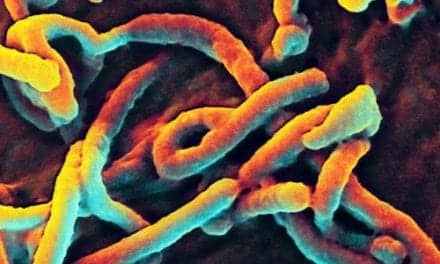
Researchers found that patients with both bronchiectasis and chronic rhinosinusitis are more likely to test positive for Pseudomonas aeruginosa (P aeruginosa).
RT’s Three Key Takeaways:
- Bacterial Correlation: A study of 1,352 patients found that those with both bronchiectasis and chronic rhinosinusitis were significantly more likely to have sputum samples positive for Pseudomonas aeruginosa.
- Clinical Indicators: Chronic sinus disease may serve as a critical clinical indicator for healthcare providers to test for Pseudomonas, which is often harder to treat and linked to severe lung disease.
- Pathogen Specificity: The increased risk was specifically associated with Pseudomonas aeruginosa and was not observed with other common bacteria such as Staphylococcus aureus or Haemophilus influenzae.
Patients with bronchiectasis and chronic rhinosinusitis are more likely to have mucus samples test positive for a bacteria called Pseudomonas aeruginosa, according to a study published in Chronic Obstructive Pulmonary Diseases: Journal of the COPD Foundation.
Bronchiectasis is a chronic lung disease that causes permanent widening and damage of the airways, which can lead to mucus buildup, long-term cough, shortness of breath, and repeated lung infections. Many people with the condition also have chronic rhinosinusitis, a condition that causes long-term inflammation in the nose and sinuses.
“This study helps connect what we see in the sinuses with what may be happening in the lungs,” said co-author Kunal Jakharia, MD, an assistant professor of pulmonary diseases and critical care medicine at the UNC School of Medicine. “For patients with bronchiectasis, chronic sinus disease may be an important clue that we should look closely for Pseudomonas. Finding this bacteria matters because it can be harder to treat and is linked with more severe lung disease.”
Researchers reviewed healthcare information from 1,352 people with bronchiectasis in the US Bronchiectasis and NTM (nontuberculous mycobacteria) Research Registry. Of those patients, 222 had chronic rhinosinusitis. The study found that patients with both conditions were more likely to have sputum—mucus coughed up from the lungs—that tested positive for Pseudomonas aeruginosa. This link was not seen with two other common bacteria, Staphylococcus aureus or Haemophilus influenzae.
The findings suggest that healthcare providers managing bronchiectasis should monitor sinus disease and prioritize bacterial testing. Further research is required to determine if treating chronic sinus disease can reduce bacterial infection or improve outcomes for people with bronchiectasis.