Sputum Color Linked to Lung Inflammation and Bronchiectasis Severity
Patient-reported mucus color reflects underlying inflammation and flare-up severity in adults with bronchiectasis.


Patient-reported mucus color reflects underlying inflammation and flare-up severity in adults with bronchiectasis.

Patient-reported mucus color reflects underlying inflammation and flare-up severity in adults with bronchiectasis.
Read More
Researchers identified genetic-related structural defects that prevent cilia from clearing mucus in primary ciliary dyskinesia patients.
Read More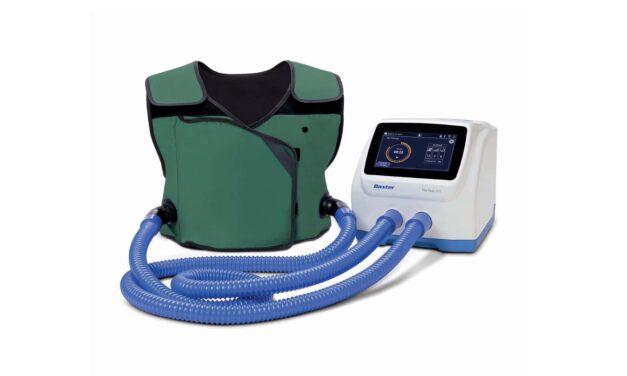
A closer look at suction and airway secretion clearance therapy devices from ABM, Baxter, Neotech, Sentec, Seoil Pacific, and Synchrony Medical.
Read More
Combining formoterol and methacholine significantly improves mucociliary clearance in animal models of cystic fibrosis, compared to using either drug alone.
Read More
Researchers found that patients with both bronchiectasis and chronic rhinosinusitis are more likely to test positive for Pseudomonas aeruginosa (P aeruginosa).
Read More
The Quantitative Mucin Index (MUCQ) of the Lung analyzes sputum and other lung mucus samples to detect airway mucus abnormalities, assess disease risk, and track disease progression in patients over time.
Read More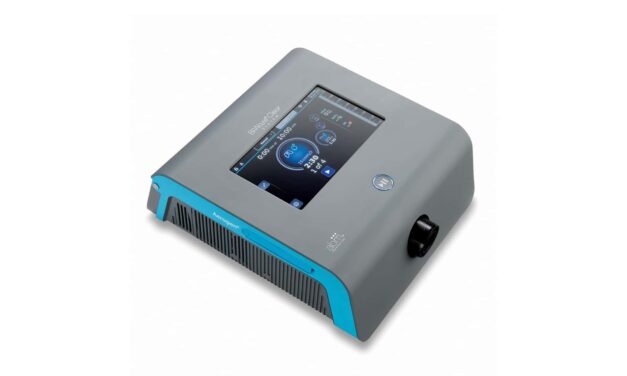
The BiWaze Clear provides lung expansion, mucus mobilization, and aerosol therapy in a portable 10-minute session.
Read More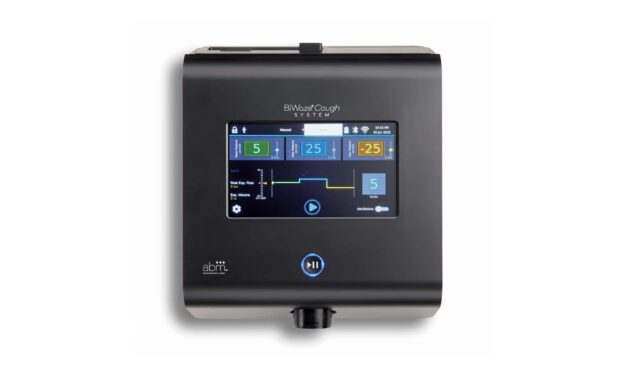
The BiWaze Cough’s assisted cough technology uses dual air pathways and positive airway pressure to help patients clear secretions and improve respiratory hygiene.
Read More
The Vest APX System utilizes high frequency chest wall oscillation to mobilize secretions and reduce pulmonary exacerbations for patients with chronic respiratory conditions.
Read More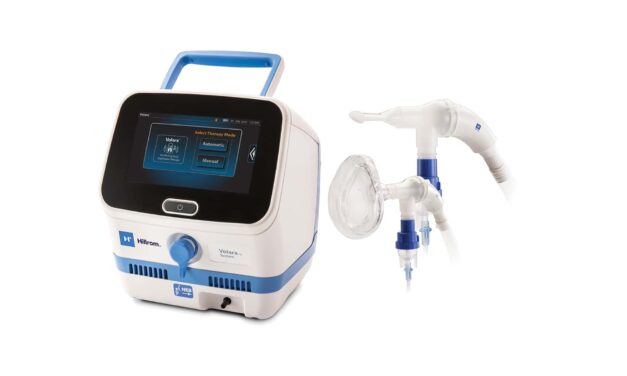
The Volara Airway Clearance System combines oscillation and lung expansion therapy with aerosol...
Read More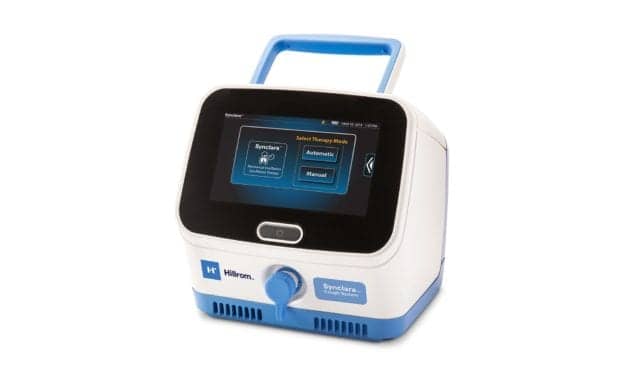
The Synclara Cough System uses mechanical technology to help patients with weak coughs clear their airways and reduce infection risks.
Read More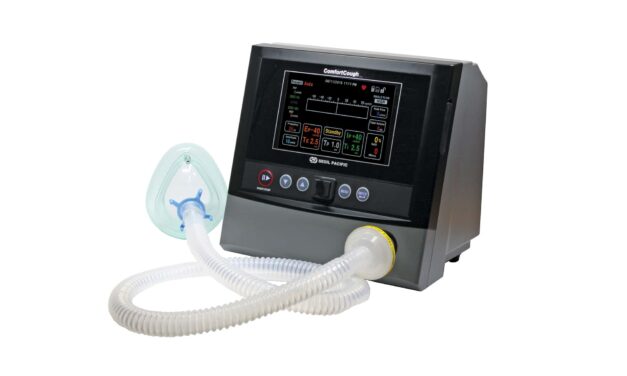
The Comfort Cough II mechanical cough stimulator uses pressure synchronization and oscillatory vibration to assist patients with impaired respiratory function.
Read More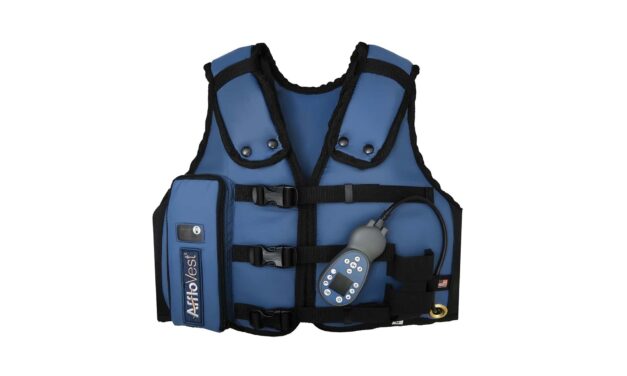
The AffloVest from Tactile Medical utilizes oscillating motors to mobilize lung secretions and improve patient treatment adherence.
Read More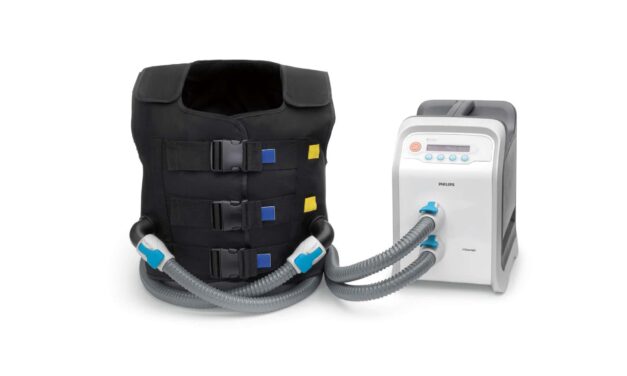
Devices like the Philips InCourage system help patients with COPD and cystic fibrosis manage mucus and reduce the risk of infections.
Read More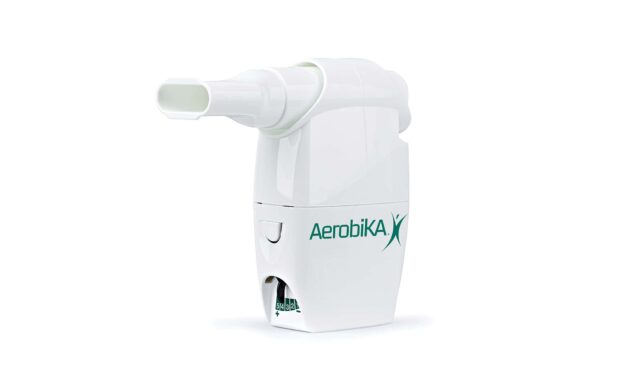
The Aerobika oscillating positive expiratory pressure (OPEP) device significantly lowers 30-day exacerbation rates and related medical expenses for patients with chronic respiratory conditions.
Read More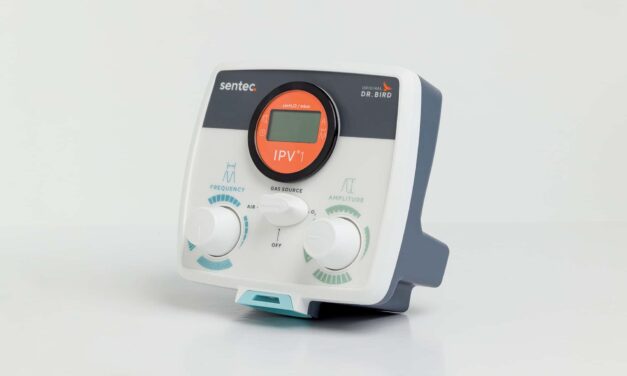
The IPV 1 features a unified connector and updated interface designed to improve clinical efficiency and patient safety.
Read More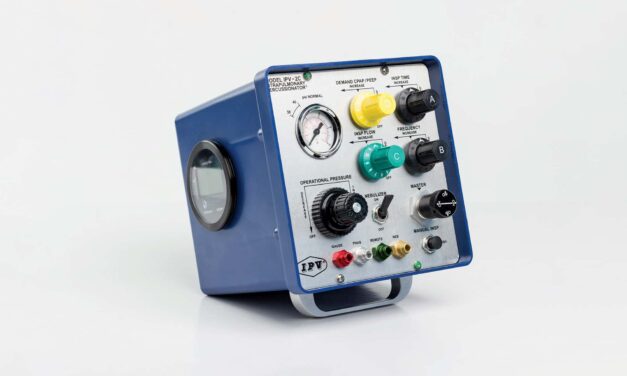
The Sentec IPV-2C provides intrapulmonary percussive ventilation for neonatal and adult patients in hospital environments.
Read More
The VESTIGE study is the first study to show a reduction in lung mucus buildup in asthma patients treated with dupilumab/Dupixent.
Read More
Funds from NIH will advance ALX1 as a potential treatment in cystic fibrosis and other chronic lung diseases.
Read More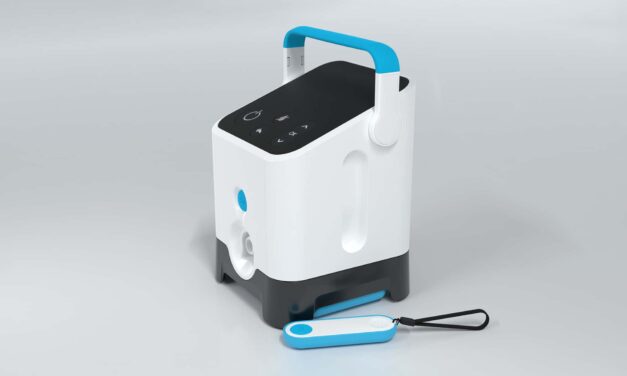
The Simeox 200 is intended to promote and improve bronchial drainage by using high-frequency oscillatory vibrations and intermittent negative pressure.
Read More
Data shows that metered cryospray therapy with the investigational RejuvenAir System leads to airway remodeling and improved symptoms in chronic bronchitis patients.
Read More
Researchers have developed enzyme-powered nanobots capable of navigating through mucus barriers—which typically keep out locally administered drug treatments.
Read More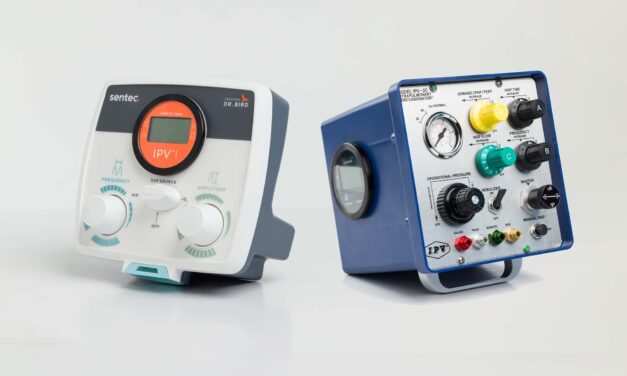
A closer look at suction and secretion clearance devices from ABM Respiratory, Neotech, Precision Medical, Seoil Pacific, and Tactile Medical.
Read More
Electromed Inc has entered into a distribution agreement with Marathon Medical Corp, a medical supply distribution company and service-disabled veteran-owned small business (SDVOSB).
Read More