
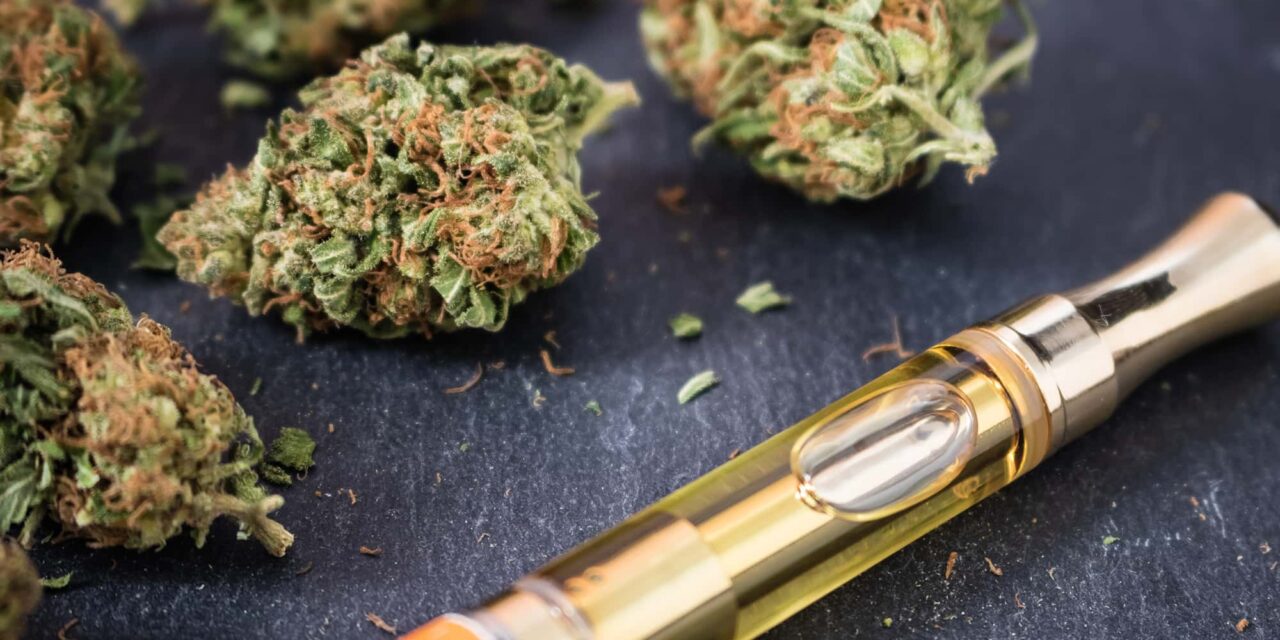
National survey data show inhaled cannabis and nicotine use remain elevated among adults while traditional cigarette smoking reaches historic lows.
RT’s Three Key Takeaways:
- Persistent Inhaled Substance Use: Cannabis use and nicotine vaping among US adults remained at or near record-high levels in 2025, according to national survey findings.
- Divergence in Inhalation Patterns: Elevated cannabis and nicotine vaping coincided with historically low rates of combustible cigarette smoking and sustained reductions in alcohol use.
- Growth in Alternative Nicotine Delivery: Reported use of nicotine pouches more than doubled among all adults since 2023, while past 30-day nicotine vaping among young adults has tripled since 2017.
Adults in the US reported using cannabis at or near record-high levels in 2025, while nicotine vaping remained elevated among young adults, according to data [PDF] from the latest Monitoring the Future (MTF) Longitudinal Panel Study.
The annual panel study, conducted by researchers at the University of Michigan, Ann Arbor, and supported by the National Institutes of Health (NIH) since 1976, tracks self-reported substance use among individuals ages 19 to 65. Investigators reported that increased rates of cannabis use, nicotine vaping, and nicotine pouch consumption occurred alongside historically low levels of cigarette smoking and falling alcohol consumption.
“It is reassuring to continue to see relatively low smoking rates and a continuing decline in alcohol use among adults. At the same time, rising rates of cannabis, nicotine, and certain other drug use warrant attention. Continued monitoring is vital for understanding the changing drug landscape so that we can develop effective interventions to support public health,” said Nora D Volkow, MD, director of the National Institute on Drug Abuse (NIDA).
Shifting Inhalation and Substance Trends
According to the MTF survey findings, daily, past 30-day, and past 12-month cannabis use and cannabis vaping held at or near all-time highs across all adult demographics. Adults aged 35 to 50 showed a statistically significant increase in daily cannabis use, climbing from 6.6% in 2024 to 8.5% in 2025.
At the same time, nicotine delivery trends reflect substantial long-term gains. The report revealed that past 30-day nicotine vaping among young adults has tripled since 2017, and past 12-month vaping in this demographic has nearly doubled over the same period. Furthermore, reported use of nicotine pouches over the prior 12 months more than doubled across all surveyed adults since 2023, the first year questions regarding pouch use were included.
By contrast, combustible cigarette smoking stayed at relatively low frequencies. Past 30-day cigarette smoking prevalence ranged from 8.3% among young adults aged 19 to 30 up to 10.6% among older adults aged 55 to 65. Alcohol intake among young adults also stayed at low levels, with past 12-month, past 30-day, and high-intensity drinking metrics holding steady.
Additional Substance Shifts
The panel survey identified other notable shifts among young adults aged 19 to 30. Self-reported heroin use in this cohort rose from 0.2% in 2024 to 0.6% in 2025, marking the first significant increase and the highest reported level in approximately 10 years, though still below the record high of 0.7% recorded in 2013. Additionally, nonmedical use of prescription sleeping medications over the past 12 months increased from 2.0% in 2024 to 3.0% in 2025.
In contrast, psychedelic drug use over the prior year among young adults dropped from 8.9% in 2024 to 7.2% in 2025, reversing an upward trend observed over the preceding decade.
“An advantage of studies like MTF is the ability to identify subtle shifts and trends over time, noting areas where additional resources are needed to help us head off potential escalations in drug use down the road,” said Megan Patrick, PhD, principal investigator of the MTF Longitudinal Panel Study at the University of Michigan.
The longitudinal study has tracked substance use patterns using data from more than 120,000 individuals who entered the cohort as 12th graders over the past 50 years, surveying young adult participants every two years and midlife adult participants every five years to monitor evolving drug behaviors across the US population.