
Higher carotenoid levels from red, yellow, and orange fruits and veggies may reduce COPD exacerbations and inflammation.
RT’s Three Key Takeaways:
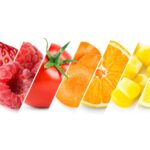
- Dietary Carotenoid Benefits: Consuming red, yellow, and orange produce rich in carotenoids may lower lung and systemic inflammation while decreasing flare-ups in patients with COPD.
- Respiratory Health Improvements: Study participants with higher serum carotenoid levels experienced better overall quality of life, fewer respiratory exacerbations, and reduced impact from cough and shortness of breath.
- Nutritional Management Role: Researchers highlighted that clinical healthcare strategies emphasizing nutrition and access to healthy foods could improve daily management for individuals living with COPD.
Eating a diet rich in red, yellow, and orange fruits and vegetables may help reduce inflammation and exacerbations associated with COPD, according to a study published in Chronic Obstructive Pulmonary Diseases: Journal of the COPD Foundation.
COPD, which includes emphysema and chronic bronchitis, affects more than 30 million Americans and is the fourth leading cause of death worldwide. One of the key characteristics of COPD is inflammation in the lungs, which restricts airflow, as well as a systemic inflammatory response in the body. This inflammation can lead to increased risk of exacerbations, co-occurring conditions, and mortality.
Carotenoids are natural, anti-inflammatory compounds that give red, orange, and yellow foods their color. Previous research has shown that people with COPD are at risk of lower carotenoid serum levels compared to those who do not have COPD. Additionally, higher carotenoid serum levels have been connected to lower prevalence of COPD and asthma.
This study analyzed data from nearly 100 participants in the Comparing Urban and Rural Effects of Poverty on COPD (CURE COPD) study. This new study compared 10 carotenoid biomarkers with participants’ scores on the COPD Assessment Test, the St George’s Respiratory Questionnaire, and the Clinical COPD questionnaire. The CURE COPD study originally examined how respiratory outcomes of low-income people with COPD in the Baltimore area were impacted by nutrition and air pollution.
The results showed that participants with higher total carotenoid serum levels had better respiratory health and quality of life (based on questionnaire results) and were less impacted by cough and shortness of breath. Results also demonstrated that carotenoids may help reduce COPD exacerbations.
“Research continues to demonstrate the benefits of nutrient-rich diets for people with COPD, including helping reduce inflammation and exacerbations,” said Nadia N. Hansel, MD, MPH, of Johns Hopkins University in Baltimore and senior author of the study. “Our study adds to the growing body of evidence that diet plays an important role in reducing systemic inflammation. Additional research is necessary to further show how nutritional approaches to care and access to healthy foods can improve quality of life for people living with COPD.”