Selena Gomez Blames Vaping for Voice Change
Grammy-nominated singer and actress Selena Gomez says her nicotine vaping habit permanently altered her singing voice.


Grammy-nominated singer and actress Selena Gomez says her nicotine vaping habit permanently altered her singing voice.

Grammy-nominated singer and actress Selena Gomez says her nicotine vaping habit permanently altered her singing voice.
Read More
Pennsylvania now restricts legal sales to products from only six vaping device manufacturers evaluated by federal regulators.
Read More
The ATS and CHEST filed a joint amicus brief supporting a lawsuit against FDA guidance that permits unauthorized e-cigarettes and nicotine pouches to remain on the US market.
Read More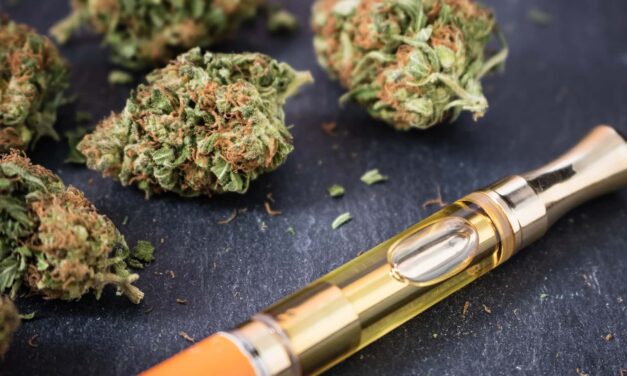
National survey data show inhaled cannabis and nicotine use remain elevated among adults while traditional cigarette smoking reaches historic lows.
Read More
Exposure to secondhand vapor from e-cigarettes independently increases respiratory symptoms and asthma attacks in children, according to study findings.
Read More
E-cigarette aerosols combining menthol and nicotine produced stronger physiological responses and higher blood metabolite levels in animal models.
Read More
Wayne State University researchers are investigating how prenatal vaping exposure alters infant lung immunity and increases infection risks.
Read More
While traditional cigarette smoking has dropped, overall nicotine exposure is shifting toward alternative products such as e-cigarettes, with youth starting at earlier ages.
Read More
A Dutch program focused on youth vaping prevention earned the 2026 European Lung Foundation (ELF) Award at ERS 2026.
Read More
Early exposure to e-cigarette vapor may alter the brain’s reward system well into adulthood, according to new research.
Read More
Young people who vape are more likely to experience breathing problems, including cough, wheezing, bronchitis symptoms, and asthma attacks.
Read More
Nicotine exposure, including from e-cigarettes and pouches, may heighten the risk of anxiety and depression in teens, particularly in girls.
Read More
A new paper in JAMA provides the first US recommendations for clinicians on integrating nicotine e-cigarettes into smoking cessation plans.
Read More
A Rutgers Health study indicates that capping nicotine levels could eliminate smoking disparities and provide a trillion-dollar boost to the US economy.
Read More
Young people who vape or smoke experience reduced breathing efficiency and blood vessel functionality compared to non-users.
Read More
New research shows “The Real Cost” educational efforts blocked millions in illegal e-cigarette sales and shifted youth attitudes toward nicotine addiction.
Read More
Data from 2022 to 2025 indicate that current tobacco use, including e-cigarettes and cigarettes, has decreased among US middle and high school students.
Read More
Socioeconomic disadvantage in rural neighborhoods increases the likelihood of adolescent cigarette use, highlighting a distinct rural-urban divide in healthcare outcomes.
Read More
New FDA will not prioritize enforcement against unauthorized vaping and nicotine pouch products that have filed premarket applications.
Read More
A study of more than 175,000 students found that teens consistently perceive cannabis as lower risk than nicotine products and alcohol, with perceived harm declining as students age.
Read More
The FDA authorized the marketing of four Glas electronic nicotine delivery systems (ENDS) through the premarket tobacco product application pathway.
Read More
2019 was a turning point in youth vaping, as aggressive public health campaigns and extensive news coverage of e-cigarette or vaping product use-associated lung injury (EVALI) effectively curbed teen use.
Read More
Higher prices for vaping products effectively reduced use without driving adults toward traditional cigarettes.
Read More
A study of 2.8 million California students indicates that local sales restrictions on flavored products decrease e-cigarette use without shifting adolescents to traditional cigarettes.
Read More