Tracking Coughs to Monitor Respiratory Outbreaks
Researchers designed an automated acoustic monitoring tool that flags indoor coughing without identifying individual patients.


Researchers designed an automated acoustic monitoring tool that flags indoor coughing without identifying individual patients.

Reported cases of intentional substance exposures at school have surged among elementary and middle school students, while high school adolescents faced more severe medical outcomes.






Half of patients with invasive mold infections require mechanical ventilation, with significantly higher mortality observed in those with recent COVID-19.




A manufacturing error in the ventilator motor assembly may cause mechanical ventilation to fail before or during use, according to an FDA early alert.

Female emergency department physicians ordered 3% to 5% more imaging and laboratory tests and admitted 3% to 5% more patients.

Rextovy, a 4 mg naloxone medication, will be available for purchase without a prescription at retail stores and online.
An immunoassay measured key inflammatory biomarkers and classified patients into two ARDS subtypes—hyperinflammatory and hypoinflammatory—within approximately one hour.
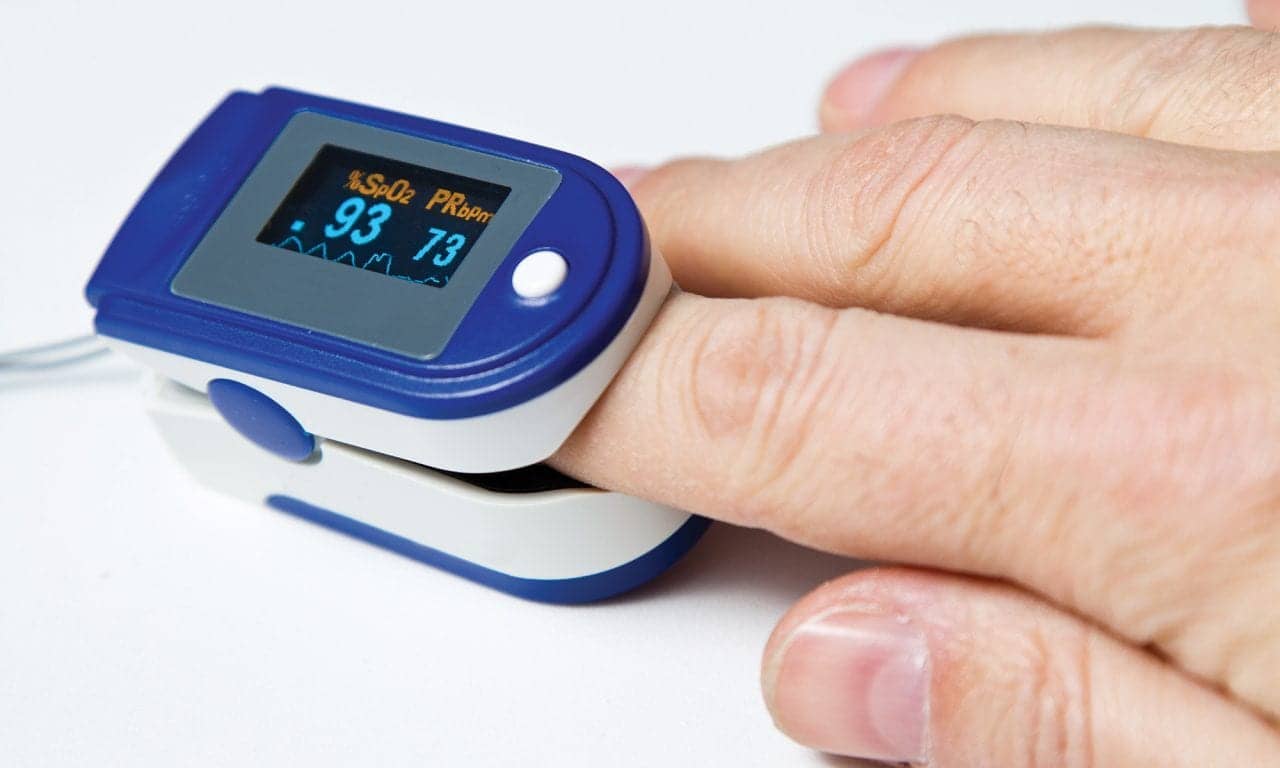
Remote monitoring did not increase the time spent at home after discharge among patients hospitalized with sepsis or lower respiratory tract infection, according to results from a randomized clinical trial of 1,286 adults.

Researchers validated a technique using videofluoroscopic recordings to measure liquid infiltration and accumulation in the lungs.