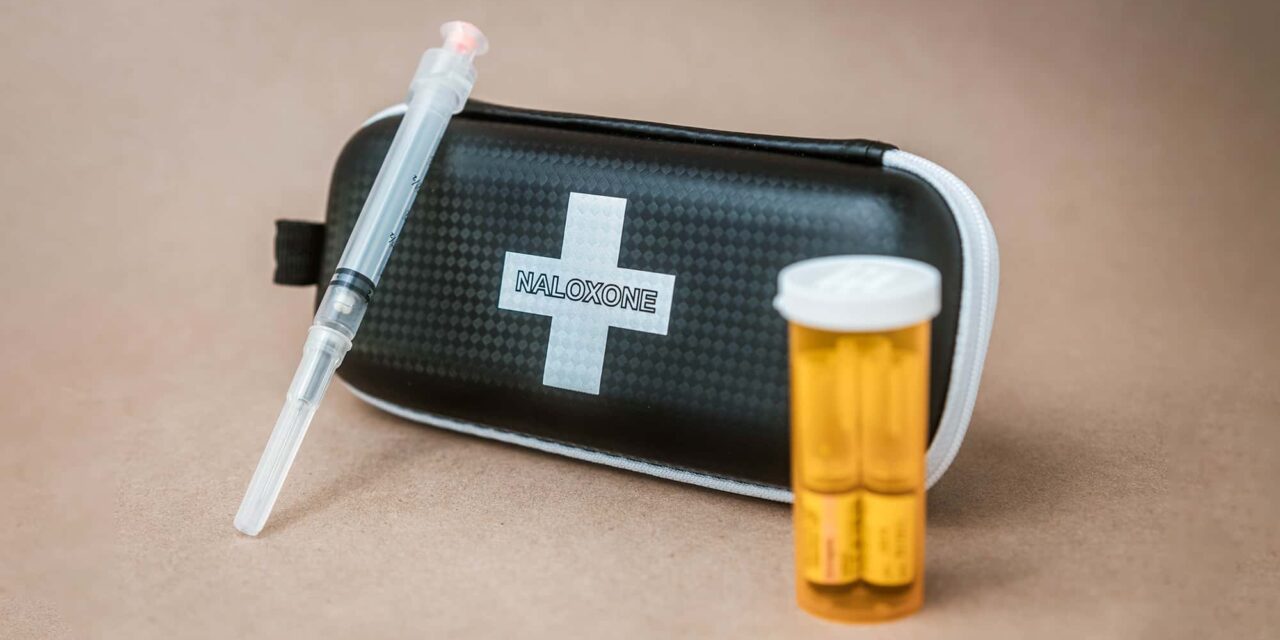
Standard doses of naloxone are often insufficient to restore normal breathing during opioid-induced respiratory depression (OIRD) after overdoses involving fentanyl and sufentanil.
RT’s Three Key Takeaways:
- Dosing Insufficiency: Current standard doses of naloxone may fail to completely reverse respiratory depression caused by potent synthetic opioids like fentanyl and sufentanil.
- Clinical Mismatch: Patients may appear awake and responsive after receiving naloxone while still experiencing inadequate or slow breathing, particularly with stronger opioids.
- Guideline Updates: Researchers suggest that healthcare institutions should update observation practices and dosing strategies to address the risk of resedation and delayed respiratory instability.
A new study indicates that standard doses of naloxone may not be enough to reverse opioid overdoses when potent synthetic drugs such as fentanyl and sufentanil are involved, according to research published in the May 2026 issue of Anesthesiology.
The findings raise concerns for healthcare professionals as the opioid crisis continues to evolve. Fentanyl and fentanyl-like drugs now account for the majority of overdose deaths in the US, with estimates ranging from 60% to 79%.
“Our study shows that the current doses of naloxone may not be sufficient to reverse overdoses caused by newer synthetic opioids,” said Maarten A van Lemmen, study lead author, in a news release. “We hope these findings encourage institutions to update guidelines and reinforce the importance of fast emergency intervention.”
The study, which included 30 participants, found that while naloxone is a lifesaving intervention, a single dose may not always completely reverse respiratory depression. Because synthetic opioids bind more tightly to opioid receptors, they can be harder to reverse with a standard dose, especially in patients exposed to high levels or high-potency drugs.
In an accompanying editorial, James P Rathmell, editor-in-chief, and Steven E Kern, adjunct associate professor, explained that the study shows that when a patient receives naloxone, they may wake up and seem alert before they are breathing normally again. This mismatch between physical responsiveness and true respiratory recovery is particularly pronounced with very strong opioids like sufentanil.
“This distinction has immediate implications for patient safety, observation practices, and dosing strategies, and helps explain why resedation and delayed respiratory instability continue to occur despite timely naloxone administration,” they said in a news release.
The study authors emphasized that looking “awake” does not always mean a patient has fully recovered, as breathing can remain slow or inadequate even when a person appears responsive. The researchers hope these findings will lead to updated guidelines regarding patient observation and emergency intervention protocols.