How Anesthesia Affects Neural Activity
Researchers at UCLA use human stem cell-derived models to replicate the brain wave patterns produced by general anesthesia.

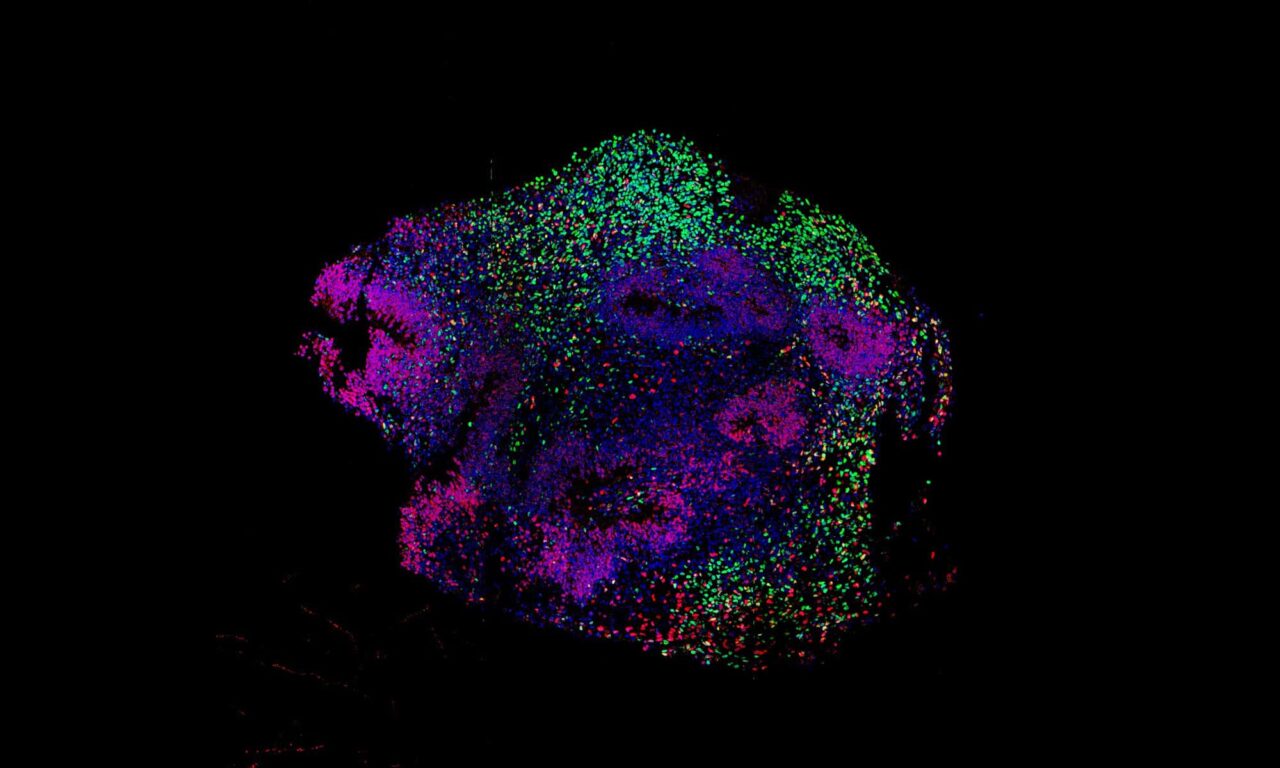
Researchers at UCLA use human stem cell-derived models to replicate the brain wave patterns produced by general anesthesia.
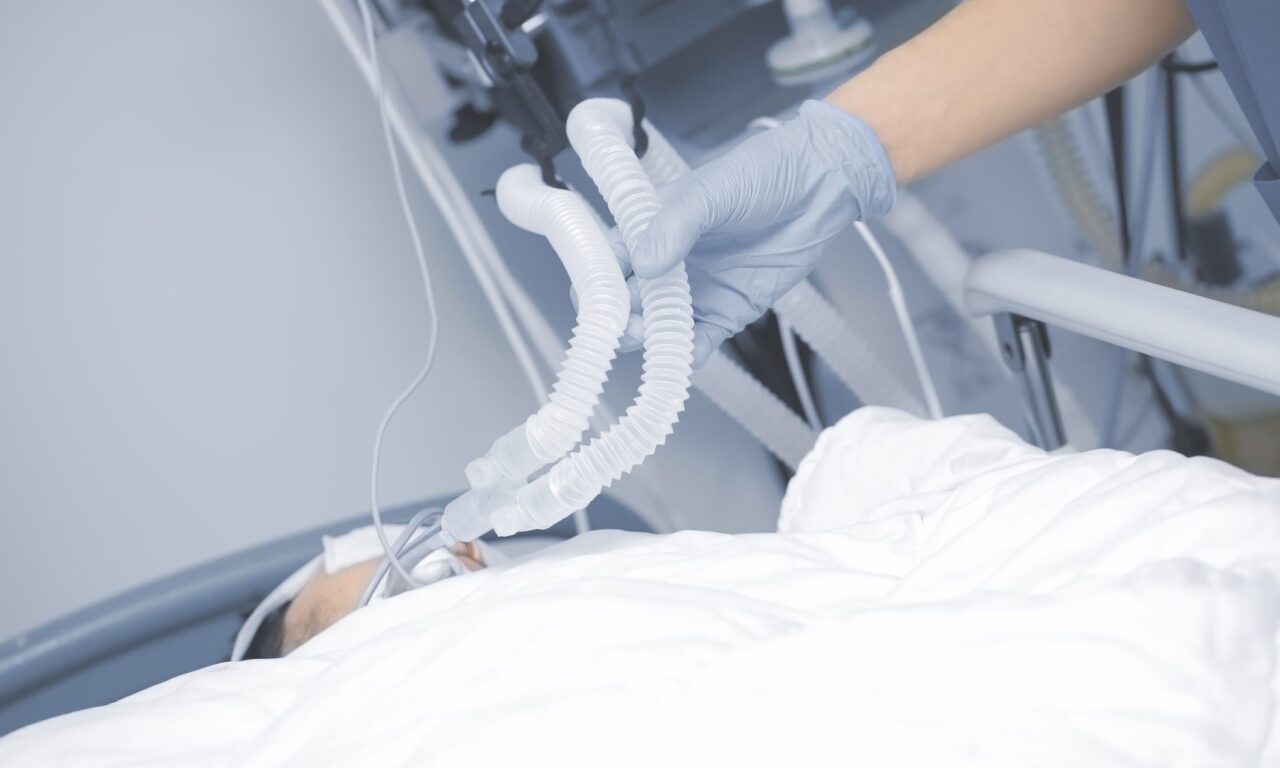
Researchers are developing an automated tool to identify respiratory discomfort when ventilated patients are unable to communicate.


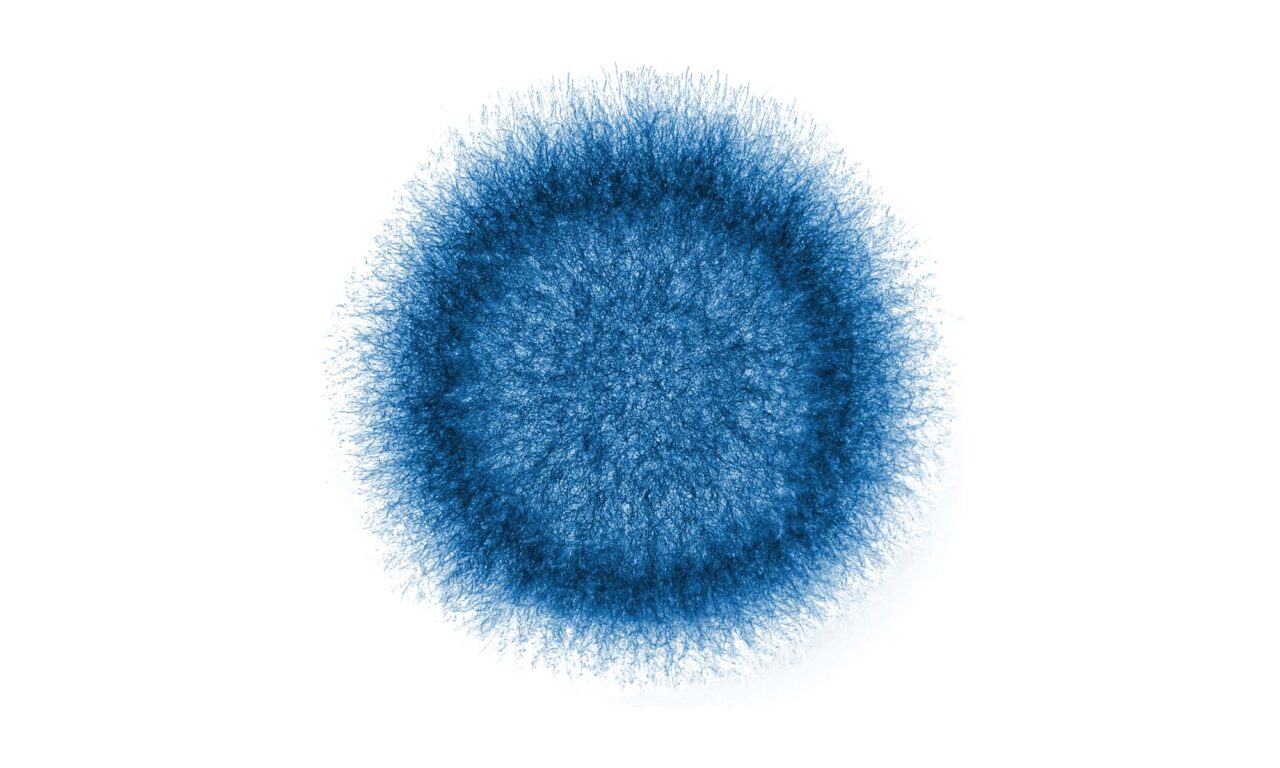
Half of patients with invasive mold infections require mechanical ventilation, with significantly higher mortality observed in those with recent COVID-19.



A manufacturing error in the ventilator motor assembly may cause mechanical ventilation to fail before or during use, according to an FDA early alert.

A 10-year analysis of emergency department data shows one sport poses a greater risk of severe injury to youth athletes.

Rextovy, a 4 mg naloxone medication, will be available for purchase without a prescription at retail stores and online.

An immunoassay measured key inflammatory biomarkers and classified patients into two ARDS subtypes—hyperinflammatory and hypoinflammatory—within approximately one hour.
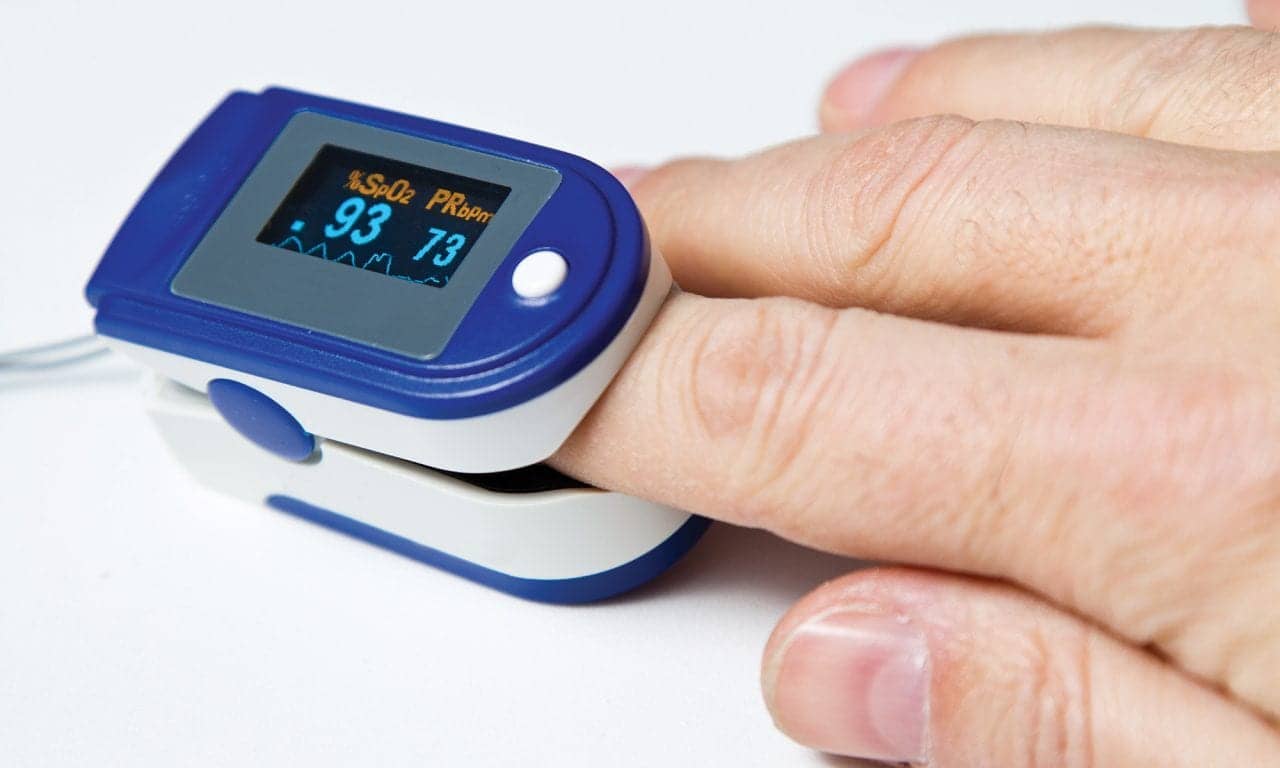
Remote monitoring did not increase the time spent at home after discharge among patients hospitalized with sepsis or lower respiratory tract infection, according to results from a randomized clinical trial of 1,286 adults.

Higher alcohol consumption is associated with increased risk of small airway obstruction, even before major lung disease develops.