Tracking Coughs to Monitor Respiratory Outbreaks
Researchers designed an automated acoustic monitoring tool that flags indoor coughing without identifying individual patients.


Researchers designed an automated acoustic monitoring tool that flags indoor coughing without identifying individual patients.

Researchers designed an automated acoustic monitoring tool that flags indoor coughing without identifying individual patients.
Read More
Two studies link fine particulate matter from wildfires to increased hospital admissions and lower lung cancer survival.
Read More
Researchers are developing an automated tool to identify respiratory discomfort when ventilated patients are unable to communicate.
Read More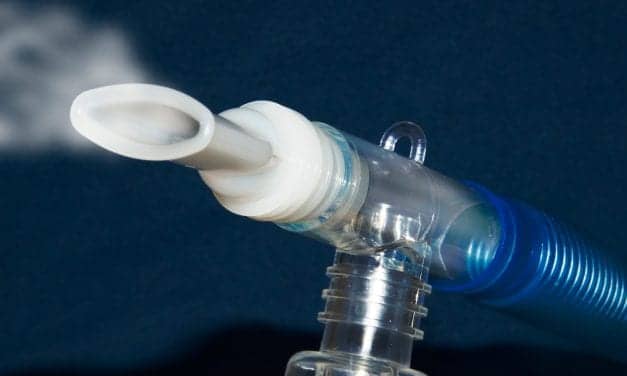
Exposure to very dry air collapses airway mucus, but an inhaled magnesium mist could help protect the respiratory tract.
Read More
Researchers validated a technique using videofluoroscopic recordings to measure liquid infiltration and accumulation in the lungs.
Read More
Higher alcohol consumption is associated with increased risk of small airway obstruction, even before major lung disease develops.
Read More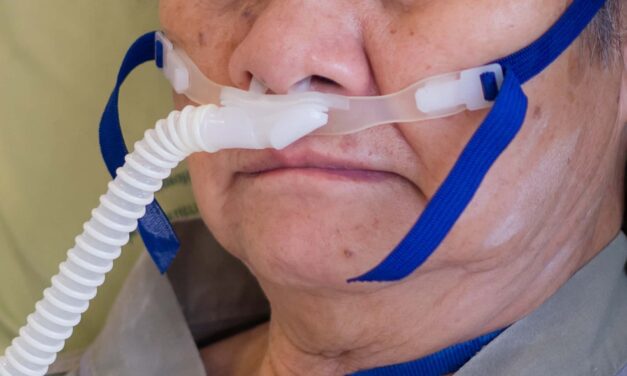
Compared to standard O2 therapy, high-flow nasal cannula did not lower mortality in in acute hypoxemic respiratory failure but may reduce the need for intubation, according to new data from the SOHO trial.
Read More
Detroit Pistons guard Cade Cunningham has been diagnosed with a pneumothorax in his left lung and will miss “an extended period of time,” according to multiple media reports including ESPN.
Read More
A chemical cocktail of metal nanoparticles and reactive peroxides in aged e-cigarette aerosols creates a unique profile of respiratory health risks.
Read More
Pittsburgh Steelers defensive end TJ Watt had surgery on Dec 11 to repair a pneumothorax that occurred after a treatment called “dry needling.”
Read More
Werfen added their support to a recent publication underscoring the urgent need to address the risks of undetected in vitro hemolysis.
Read More
A genetic variant may drive development of chronic lung allograft dysfunction (CLAD) in lung transplant recipients.
Read More
Findings suggest that the endothelial gene ALOX15 gene protects against sepsis-induced lung injury.
Read More
Lung cells have a molecular “switch” that determines whether they focus on repairing tissue, or fighting infection.
Read More
Between 2019 and 2023, NDM-CRE infections—which include pneumonia, bloodstream infections, urinary tract infections, and wound infections—surged by more than 460% in the United States.
Read More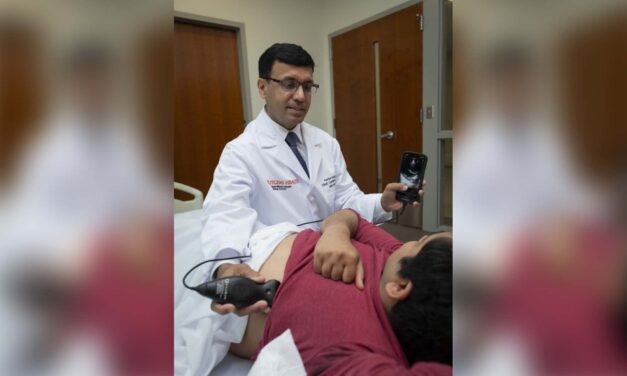
New data suggests using portable ultrasounds to examine patients presenting with dyspnea led to better diagnoses, shorter hospital stays and big cost savings, but additional training and workflow integration is needed for clinicians.
Read More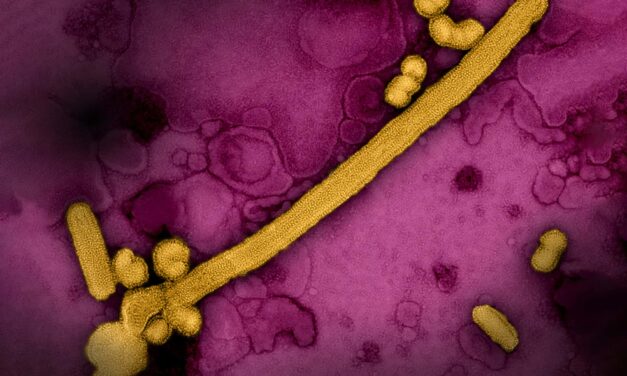
Influenza-associated acute necrotizing encephalopathy carries a high morbidity and mortality rate among children but flu vaccination, early detection, and a standardized treatment approach may prevent the condition.
Read More
The New York City Department of Health and Mental Hygiene reported a sixth death as an outbreak of Legionnaires’ disease continues to plague the city’s Harlem neighborhood.
Read More
Sinus and congestion problems are more than just earthly annoyances, according to new research on astronauts from the International Space Station.
Read More
A new engineered protein-based therapy called RcoM-HBD-CCC acts like a sponge to soak up carbon monoxide from the blood.
Read More
Acute respiratory failure (ARF) and acute respiratory distress syndrome (ARDS) are critical conditions associated with high mortality. Current management strategies are evolving toward personalized care.
Read More
Pediatric patients require special care when receiving oxygen therapy due to their unique physiological needs and increased sensitivity to oxygen levels.
Read More
Hospitalized adults at risk for opioid use disorder had 47% lower odds of being readmitted to the hospital within 30 days after their initial discharge if they were screened by Ai.
Read More
A single dose of nirsevimab was effective in reducing visits to the ED for all-cause bronchiolitis by 55.4%, as well as reducing the risk of hospital admission for RSV bronchiolitis by 87.6%.
Read More