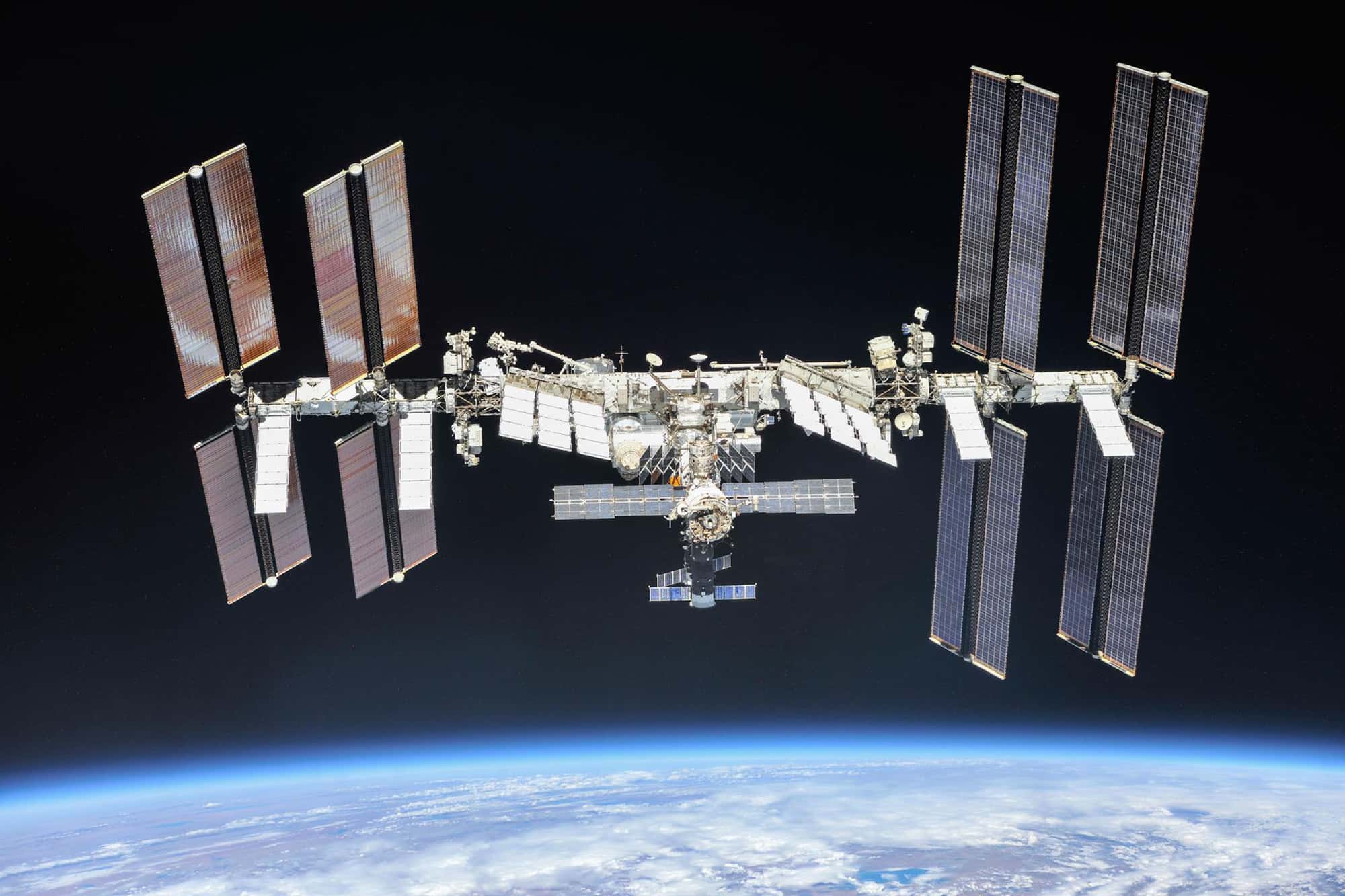
Sinus and congestion problems are more than just earthly annoyances, according to new research on astronauts from the International Space Station.
RT’s Three Key Takeaways:
- High Prevalence of Nasal Issues in Space: Eighty-five percent of ISS astronauts experienced at least one nasal or sinus problem during missions, with 75% reporting nasal congestion linked to fluid shifts in microgravity.
- Spacewalks Increase Sinonasal Risk: Pressure changes during spacewalks heightened congestion, barotrauma, and Eustachian tube dysfunction, potentially impairing hearing, comfort, and overall mission performance.
- Need for Space-Specific Prevention & Treatment: Researchers urge pre-flight sinonasal evaluations, preventive procedures, and development of treatments effective in microgravity to protect breathing, sleep quality, and cognitive performance.
Eighty-five percent of astronauts aboard the International Space Station (ISS) experienced at least one nasal and sinus issue during their mission, which can significantly impact health, according to data published in Laryngoscope Investigative Otolaryngology.
The study, led by at Houston Methodist, analyzed 754 medical events from 71 astronauts between 2000-2019. In addition to 85% of astronauts reporting at least one nasal or sinus issue, 75% reported nasal congestion, which is a common issue due to the lack of gravity pulling blood and other fluids downward, researchers said.
During spacewalks, pressure shifts from inside the cabin to the inside of a space suit led to increases in congestion, barotrauma (injuries to the ears or sinuses caused by changes in pressure) and Eustachian tube dysfunction (which can result in ear pain, muffled hearing, a feeling of fullness and other issues).
While the researchers found that astronauts often turned to over-the-counter medications to treat their symptoms, researchers warned that these drugs may not have the same effects in outer space. He said the study has important implications as human spaceflight – including space tourism – become more prevalent.
“Astronauts are typically among the fittest individuals on the planet, yet this study shows that even they experience substantial sinonasal complaints in space,” said Dr Masayoshi Takashima, chair of the Department of Otolaryngology – Head and Neck Surgery. “Imagine what happens when civilians with preexisting conditions start traveling to space.”
Takashima said preventative measures such as evaluation for nasal and sinus conditions and minor procedures to improve breathing may be needed for future astronauts. He also stressed the importance of future work to identify treatments that work well in space.
“This is about maintaining peak performance,” Takashima said. “If you’re not sleeping well because you can’t breathe, your cognitive function, reaction time and mission performance can suffer, and those things are absolutely critical in space.”
Image credit: NASA.gov