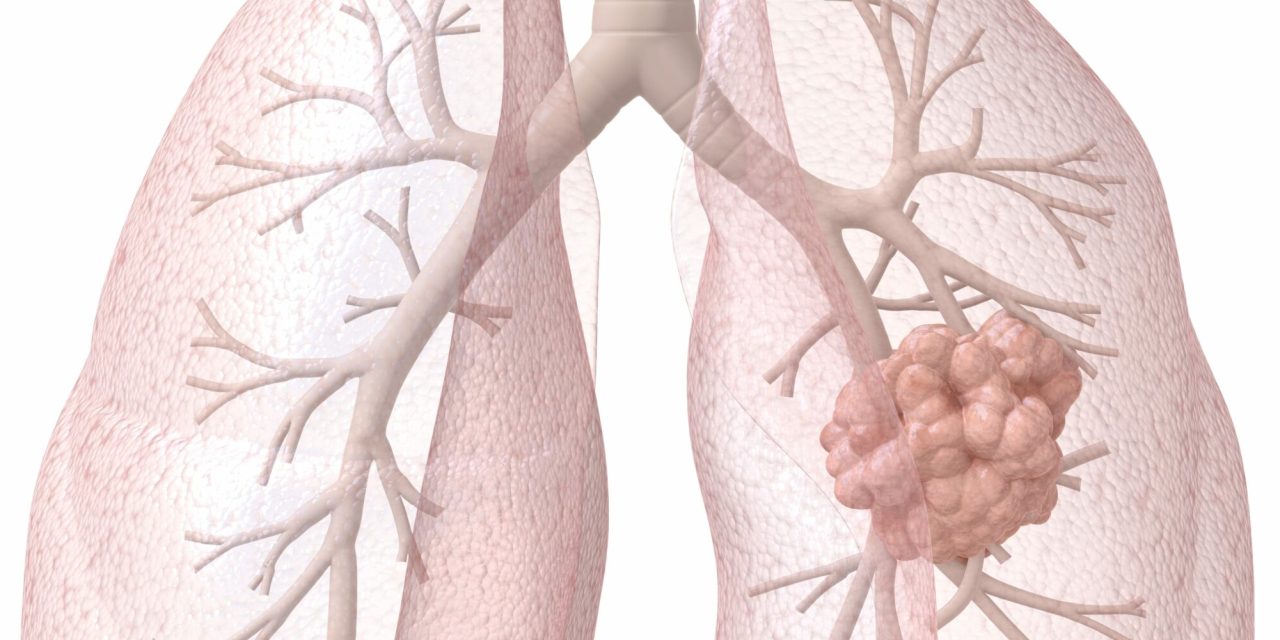
A smart sensor integrated into a biopsy device helps clinicians identify cancerous tissue in real time to improve diagnostic results.
RT’s Three Key Takeaways:
- Enhanced Diagnostic Accuracy: The INSPECT study demonstrated that a smart stylet could differentiate between cancerous and healthy lung tissue with approximately 81% accuracy during bronchoscopic biopsies.
- Real-Time Decision Support: This microsensor technology provides clinicians with immediate feedback on tissue type, which may reduce the high failure rate associated with conventional biopsy methods.
- Clinical Workflow Integration: The device is designed to function like a standard stylet, allowing for seamless adoption into existing interventional pulmonology procedures to shorten the path to treatment.
Sensome presented positive results at ATS 2026 from its first-in-human INSPECT study evaluating microsensor technology integrated into a smart stylet for bronchoscopic lung biopsy. The study found that the tumor detection technology safely and accurately identified and differentiated between cancerous and healthy tissue.
“This technology holds promise to significantly boost biopsy diagnostic yield and shorten the path to lung cancer diagnosis and treatment,” said Dr Amir Hanna, interventional pulmonologist and principal investigator of the INSPECT study for Marie-Lannelongue Hospital.
Lung cancer remains the leading cause of cancer-related deaths globally, with nearly 2 million deaths each year. Conventional diagnostic methods often face challenges, with failure rates for successful biopsies reaching up to 58%, according to the news release. These failures can lead to repeat procedures and treatment delays of up to six months.
The INSPECT study was a multi-center, single-arm trial involving 27 patients in Australia and France. During the procedures, the smart stylet was placed inside a biopsy needle to take tissue readings immediately before the biopsy was performed. Histopathology confirmed the accuracy of these measurements, and the results were validated using cross-validation.
The technology demonstrated 80.9% accuracy in differentiating healthy from abnormal lung tissue, with a sensitivity of 88.5% and specificity of 71.4%, according to the news release. When differentiating cancer from all other tissue types, including necrotic tissue, the tool achieved 78.7% accuracy with a sensitivity of 78.3% and specificity of 79.2%.
“It is important that we have the tools that will enable us to respond to this new flood of patients with timely and accurate diagnosis,” said David Fielding, associate professor, director of thoracic medicine at Royal Brisbane and Women’s Hospital, and principal investigator of the INSPECT study. Fielding added that the smart stylet has the potential to provide this because it integrates well into existing clinical workflows.
The device uses an impedance-based sensor and predictive algorithms to characterize biological tissues in real time. It is intended to confirm tool placement within a tumor without the need for additional imaging modalities that cannot identify cancerous tissue.
“Our goal is to eliminate the trial and error associated with mistakenly performing biopsy on tissue that delays cancer diagnosis and treatment,” said Franz Bozsak, Sensome chief executive officer. “Our technology works just like a conventional stylet used in biopsy today, except we have made it ‘smart’ with the integration of our sensor into the device, which provides biological intelligence.”
The Sensome smart stylet technology is currently an investigational device and is not approved for commercial use in the US or any other jurisdiction.