Phase 3 clinical trial data shows improvements in walking distance and duration for patients with autoimmune pulmonary alveolar proteinosis treated with inhaled molgramostim.
RT’s Three Key Takeaways:
- Improved Exercise Metrics: Phase 3 clinical trial data demonstrated that molgramostim improved exercise distance, duration, and peak metabolic equivalents in patients with autoimmune pulmonary alveolar proteinosis.
- Functional Patient Benefits: The consistency of improvements across multiple exploratory and secondary endpoints suggests the treatment may provide tangible functional benefits for those living with the rare respiratory condition.
- Targeted Delivery System: Molgramostim is a recombinant human granulocyte-macrophage colony-stimulating factor delivered through a specific nebulizer system designed to address the underlying surfactant buildup in the lungs.
Savara Inc reported new data from its IMPALA-2 Phase 3 clinical trial showing that molgramostim inhalation solution improved exercise capacity in patients with autoimmune pulmonary alveolar proteinosis (aPAP), according to data presented at ATS 2026.
The presentation, delivered by BC Trapnell, MD, detailed results from the double-blind period of the trial. Researchers observed consistent improvements across several exercise metrics, including distance walked, exercise duration, and peak metabolic equivalents (METs).
“We believe the consistency in improvements observed across both exploratory endpoints—distance walked and exercise duration—and our secondary endpoint of exercise capacity, as measured by peak METs, strengthens the overall efficacy picture,” said Yasmine Wasfi, MD, PhD, chief medical officer at Savara, in a news release. “Taken together, these data suggest that molgramostim may translate into real-world functional benefits for aPAP patients.”
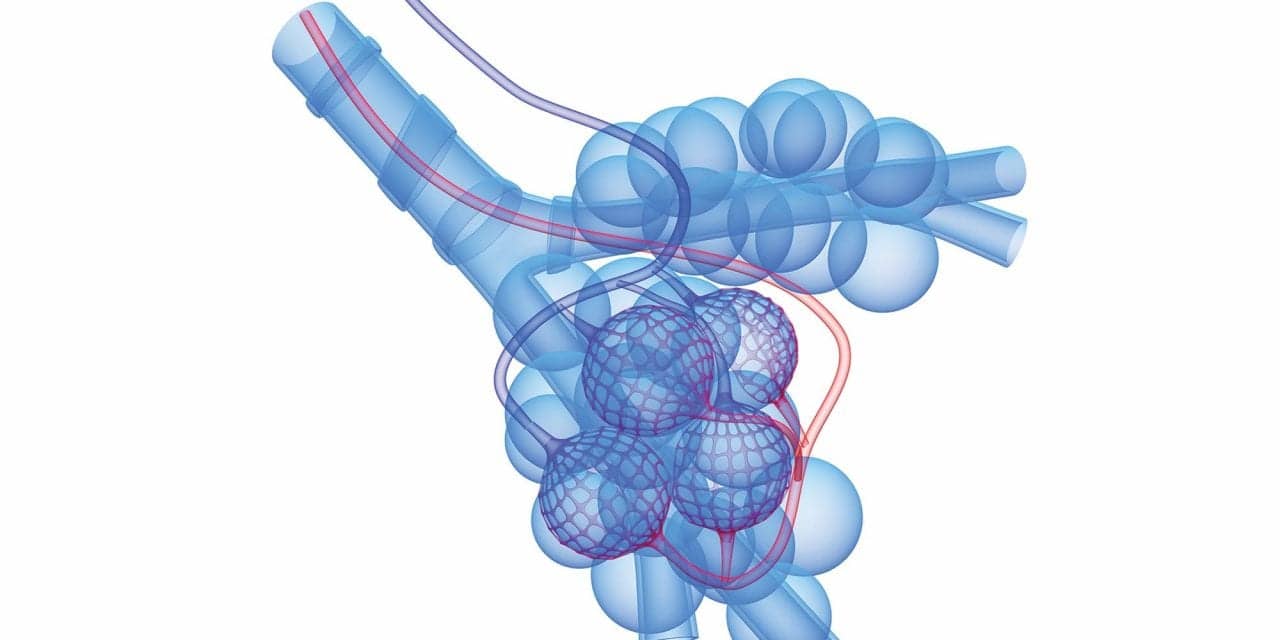
Autoimmune PAP is a rare lung disease characterized by the abnormal buildup of surfactant in the alveoli. In healthy lungs, alveolar macrophages clear excess surfactant when stimulated by granulocyte-macrophage colony-stimulating factor (GM-CSF). In patients with aPAP, GM-CSF is neutralized by antibodies, preventing macrophages from functioning properly and leading to impaired gas exchange. This results in symptoms such as shortness of breath, cough, and frequent fatigue.
Molgramostim is a recombinant human GM-CSF developed to address this deficiency. It is delivered via the eFlow Nebulizer System, which is specifically designed for the inhalation of this solution.
The findings were also published in a supplement of the American Journal of Respiratory and Critical Care Medicine (AJRCCM). Long-term complications of untreated aPAP can include lung fibrosis and the potential need for a lung transplant.