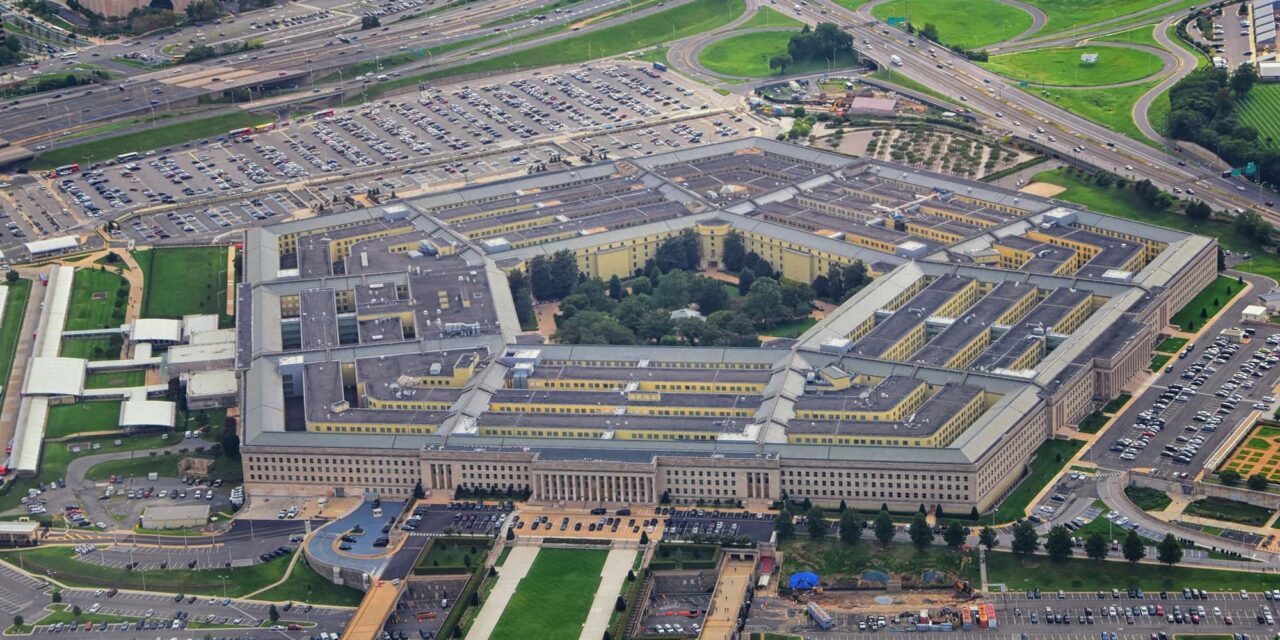
Defense secretary Pete Hegseth cited medical autonomy and religious freedom in the decision to drop the long-standing flu vaccine mandate.
RT’s Three Key Takeaways:
- Policy Shift: The US military is rescinding its requirement for service members to receive an annual influenza vaccination, transitioning the mandate to a matter of personal choice.
- Readiness Concerns: Healthcare experts warn that removing the mandate could lead to increased illness, more missed duty days, and higher hospitalization rates among troops living in close quarters.
- Service Flexibility: Individual military branches have a 15-day window to request that the flu vaccine requirement remain in place for their specific personnel.
Defense secretary Pete Hegseth announced that the US military will no longer require all American troops to receive the annual influenza vaccine, according to multiple media reports including NBC News.1
Hegseth cited “medical autonomy” and religious freedom as the primary drivers for the change. “The notion that a flu vaccine must be mandatory for every service member, everywhere, in every circumstance at all times is just overly broad and not rational,” said Hegseth in a video posted on social media. He added that service members remain free to receive the flu vaccine, but will not be forced to do so.1
A memo enacting the policy allows individual military services to request to keep the vaccine requirement in place, provided they submit those requests within 15 days.
Some healthcare professionals expressed concern regarding the impact on force protection. “The policy ignores warnings that more flu illness will mean more missed duty days, more hospitalizations, and more preventable readiness losses,” said Richard Riccardi, professor and executive director at the Center for Health Policy and Media Engagement at The George Washington University.
Riccardi, a nurse practitioner and retired army leader, noted that the Centers for Disease Control and Prevention (CDC) continues to recommend annual vaccination for everyone 6 months and older to reduce the risk of serious complications.
Mandatory vaccination in the military dates back to 1777, when Gen George Washington directed the inoculation of the Continental Army against smallpox. However, mandates became a point of contention during the COVID-19 pandemic. More than 8,400 troops were separated from service for refusing the COVID-19 vaccine before Congress rescinded that mandate in 2023.1
According to a 2021 report from the Congressional Research Service (CRS), the military has historically required eight vaccines, including those for polio, tetanus, measles, and hepatitis A and B. While service members could previously request religious exemptions, the process required counseling from a military physician on the benefits and risks of forgoing vaccination.1
Reference:
- https://www.nbcnews.com/politics/politics-news/pete-hegseth-says-us-military-no-longer-requiring-flu-shots-rcna341256