New research suggests isoflavones found in plant-based foods like soy and legumes can reduce inflammation and coughing for patients with COPD.
RT’s Three Key Takeaways:
- Isoflavone Benefits: Higher consumption of isoflavones, found in soy and legumes, is associated with reduced coughing and improved mucus clearance in patients with COPD.
- Inflammation Reduction: Researchers found that these plant-based foods may help improve lung health by decreasing irritation and inflammation within the respiratory system.
- Modifiable Risk Factors: The study reinforces the role of diet and nutrition as modifiable factors that healthcare providers can use to help manage chronic lung disease.
Consuming legumes and soy-based foods may help improve symptoms of COPD by reducing inflammation and irritation, according to a study published in Chronic Obstructive Pulmonary Diseases: Journal of the COPD Foundation.
COPD, which includes emphysema and chronic bronchitis, is a progressive, inflammatory lung disease that affects more than 30 million Americans and is the fourth leading cause of death worldwide. Previous research has identified diet and nutrition as modifiable risk factors for chronic lung disease, including COPD.
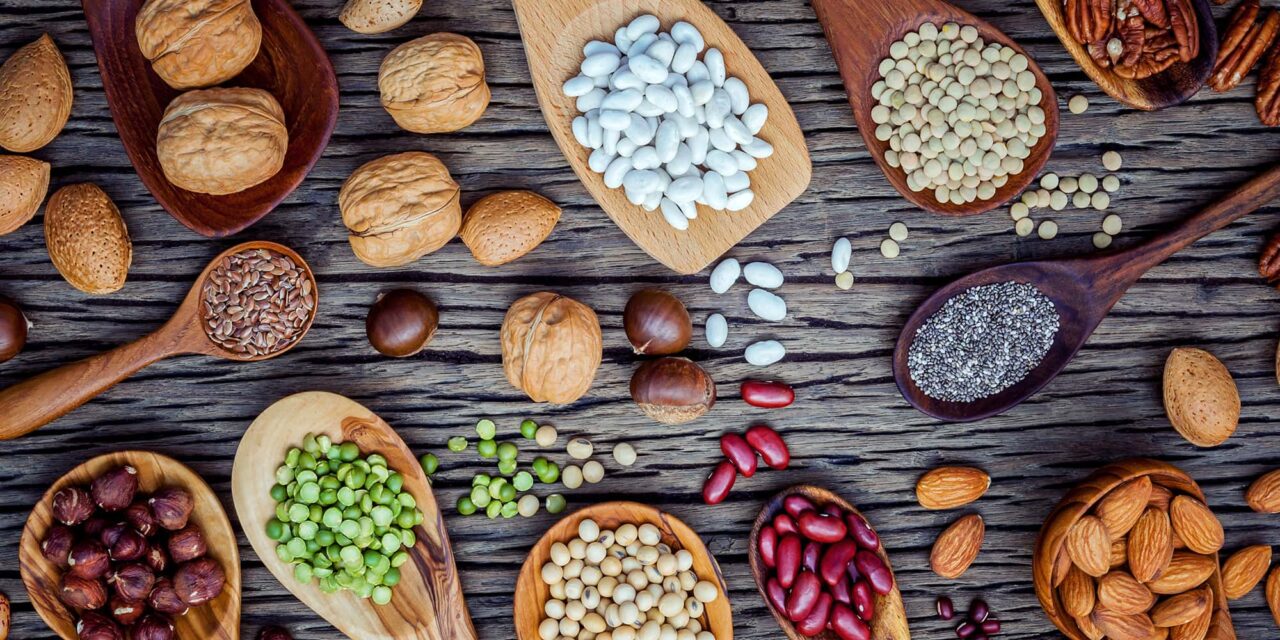
This study examined how increased isoflavone consumption impacted participants’ breathing symptoms, cough, and overall lung health. Isoflavones are a natural substance commonly found in legumes and soy-based foods.
Participants in the study were all former smokers who completed questionnaires regarding diet and symptoms, in addition to lung function tests and clinical assessments, at baseline, three months, and six months. Isoflavone consumption was reported as the average intake at each of the three visits or at all visits where consumption data was available.
Study results showed that participants with higher isoflavone consumption experienced fewer breathing-related symptoms, including reduced coughing and less difficulty clearing mucus, and improved lung health.
“Research has proven diet and nutrition can impact lung health. We need to further understand which specific nutritional components are responsible for reducing the symptoms of inflammatory conditions like COPD,” said Daniel C Belz, MD, MPH, of the division of pulmonary and critical care medicine at Johns Hopkins University and lead author of the study.
Belz also noted that larger studies are necessary to explore how increasing isoflavone consumption helps improve COPD symptoms and overall lung health.