Tobacco Smoking and Infertility
A new summary from the World Health Organization warns that tobacco use can negatively impact fertility outcomes worldwide.


A new summary from the World Health Organization warns that tobacco use can negatively impact fertility outcomes worldwide.

A new summary from the World Health Organization warns that tobacco use can negatively impact fertility outcomes worldwide.
Read More
Specialized support from healthcare professionals significantly reduces smoking relapse rates in the year following childbirth.
Read More
Women’s attitudes and beliefs regarding sleep during pregnancy are significant predictors of sleep disruption after delivery.
Read More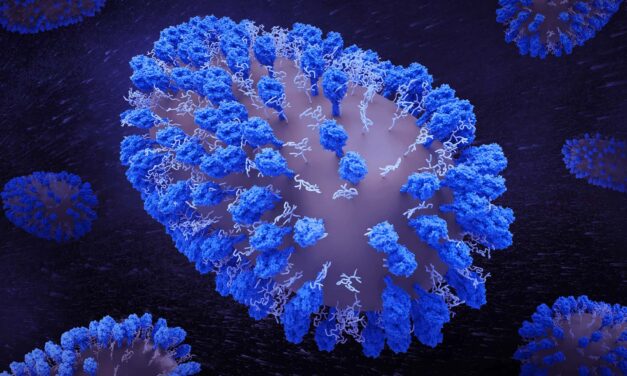
Real-world data published in JAMA Network Open confirm the effectiveness of the RSVpreF vaccine in protecting newborns from respiratory syncytial virus.
Read More
Clinical focus on classical sleep apnea symptoms may lead to diagnostic delays for female patients who experience more atypical symptoms.
Read More
Maternal RSV vaccination reduced infants’ hospitalization risk by more than 80% when administered at least 14 days before birth.
Read More
Poor sleep is associated with increased tau protein accumulation and memory issues specifically in women with a higher genetic predisposition to Alzheimer’s disease.
Read More
New AASM survey data shows that more than 35% of women age 45-64 report frequent nighttime waking and night sweats caused by menopause hormonal changes.
Read More
New research suggests that cigarette exposure in the womb combined with a high-fat diet in adulthood may lead to worse metabolic health markers.
Read More
While maternal mortality rates have returned to pre-pandemic levels for many groups, deaths among Black mothers remain significantly elevated.
Read More
New research indicates that maternal signals synchronize fetal circadian rhythms in utero, potentially influencing long-term neonatal healthcare outcomes.
Read More
A case report suggests high doses of oxycodone in breastfeeding mothers can lead to apnea and bradycardia in newborns due to immature metabolic pathways.
Read More
Penicillin allergy evaluation and subsequent delabeling reduces unnecessary alternative antibiotic use and is safe for pregnant patients, according to new research presented at AAAAI 2026.
Read More
A non-narcotic analgesics allergy label (NNAAL) is associated with several adverse perinatal outcomes, including greater rates of NICU admission, preterm birth, and more.
Read More
COVID-19 vaccination during pregnancy, particularly when combined with a booster dose, significantly reduces the risk of preeclampsia.
Read More
Older women with a history of both depression and anxiety had a 78% higher risk of developing long COVID complications after infection.
Read More
Women over age 57 are less likely to receive IV morphine in the emergency room when presenting with chest pain, compared to younger women, younger men, and older men.
Read More
Pregnant women were nearly 3.5 times more likely than non-pregnant women to require respiratory support when hospitalized for COVID-19.
Read More
Though men and women with COPD experienced similar benefits in lung function measures, women reported larger improvements in CAT and SGRQ scores.
Read More
Comorbid insomnia and sleep apnea (COMISA) was significantly associated with worse verbal memory outcomes in women, but not in men.
Read More
Researchers have shown, for the first time, that severe flu infection in pregnant mice leads to a breakdown in placental and fetal brain barriers.
Read More
Research uncovered a reluctance among obstetricians to refer their pregnant patients to allergy specialists, even when a referral could help improve care.
Read More
Gender disparities persist under a new national organ allocation system, as female lung transplant candidates are less likely to undergo transplantation.
Read More
Women who had C-sections are 16% more likely to develop new sleep disorders—such as insomnia or sleep apnea—within a year after childbirth.
Read More