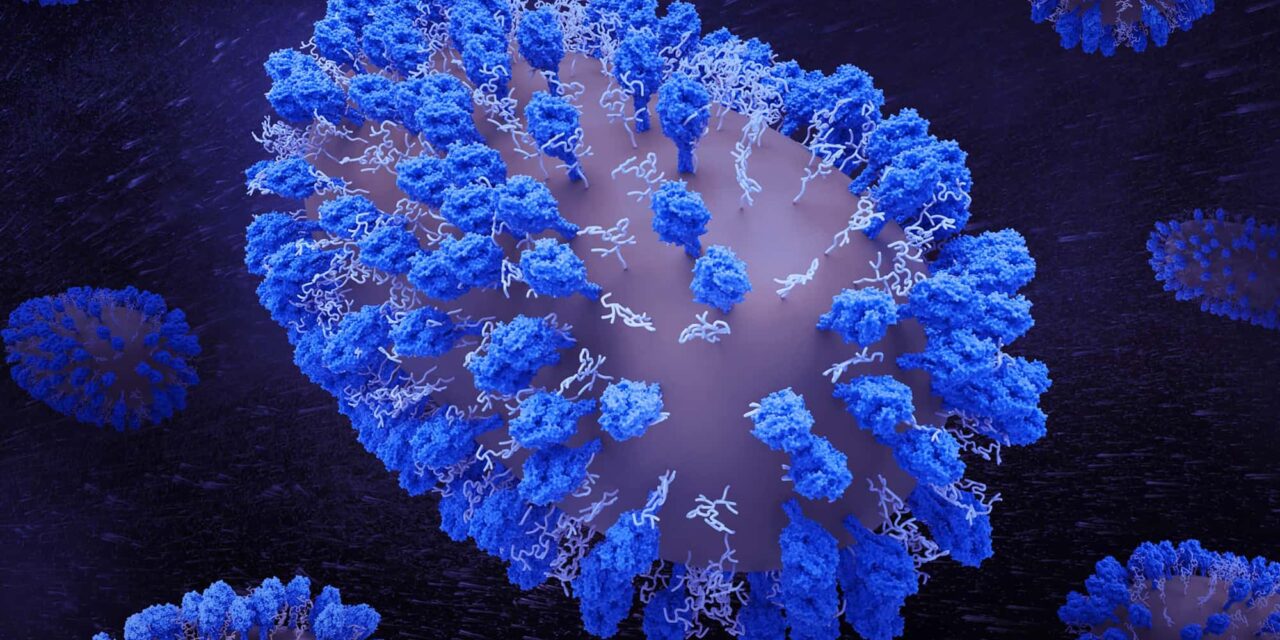
Real-world data published in JAMA Network Open confirm the effectiveness of the RSVpreF vaccine in protecting newborns from respiratory syncytial virus.
RT’s Three Key Takeaways:
- Significant Hospitalization Reduction: A study published in JAMA Network Open found that maternal RSV vaccination reduces the risk of hospitalization in infants younger than 3 months by nearly 70%.
- Real-World Evidence: The research provides early US clinical data confirming that the RSVpreF vaccine performs consistently with results seen in earlier clinical trials, according to the researchers.
- Protection Against Severe Infection: Maternal vaccination demonstrated 68% effectiveness against RSV-associated ARI hospitalization and 69% against RSV-associated LRTD hospitalization, according to the study.
Vaccination against respiratory syncytial virus (RSV) during pregnancy reduces the risk of hospitalization in young infants by nearly 70%, according to research published in JAMA Network Open. The FDA approved the vaccine in 2023.
The study, led by researchers at the University of Pittsburgh and UPMC, provides early real-world evidence from US clinical care showing that administering one dose of the maternal RSVpreF vaccine reduces RSV-related hospitalizations in young infants. The results are consistent with findings from RSVpreF vaccine clinical trials, according to the study.
“We designed this study to focus on what matters most to families: whether their baby might end up in the hospital,” said Anne-Marie Rick, assistant professor of pediatrics and clinical and translational science at Pitt School of Medicine and a physician at UPMC Children’s Hospital of Pittsburgh and UPMC Magee-Womens Hospital. “The findings show a significant impact for families and for the healthcare system, and it highlights how effective this intervention can be during the most vulnerable months of life.”
RSV is the leading cause of hospitalization among infants in the US. According to the CDC, approximately 2 to 3 out of every 100 babies younger than 3 months are hospitalized annually due to RSV, with severe cases requiring oxygen support or mechanical ventilation. Until the approval of the RSVpreF vaccine, there was no reliable way to protect healthy newborns from the virus starting at birth, according to the researchers.
The study analyzed healthcare records from infants 90 days old or younger who were hospitalized for respiratory illness in western Pennsylvania during the 2023–24 and 2024–25 RSV seasons. Researchers focused on infants who were tested for RSV and compared outcomes between those whose mothers received the vaccine during pregnancy and those whose mothers did not.
According to the data:
- Among infants aged 0 to 90 days:
- vaccine effectiveness was estimated to be 67.6% against RSV-associated ARI hospitalization1
- vaccine effectiveness was estimated to be 69.0% against RSV-associated LRTD hospitalization1
- Among infants aged 0 to 30 days:
- vaccine effectiveness was estimated to be 74.2% against RSV-associated ARI hospitalization.1
The results are part of an ongoing four-year study to evaluate the effectiveness of maternal RSV vaccination across multiple seasons. Researchers will continue to follow patients during the 2025–26 and 2026–27 RSV seasons, expanding the analysis to include infants up to 180 days old and assessing how long protection lasts.
“We’re continuing to follow patients to understand how well this protection holds over time and across different groups,” said Rick. “These kinds of real-world data are critical for helping families, clinicians, and policymakers make informed decisions about how best to protect infants.”
Reference
- Rick A, Deese J, Kerr JE, et al. Maternal Respiratory Syncytial Virus Prefusion F Vaccination and Acute Respiratory Illness in Infants. JAMA Netw Open. 2026;9(6):e2616773. doi:10.1001/jamanetworkopen.2026.16773