Insurance Barriers Limit Pulmonary Rehab Access
Insurance coverage is a significant barrier to accessing virtual pulmonary rehabilitation programs for people with COPD.


Insurance coverage is a significant barrier to accessing virtual pulmonary rehabilitation programs for people with COPD.

Insurance coverage is a significant barrier to accessing virtual pulmonary rehabilitation programs for people with COPD.
Read More
Remote telemedicine consultations can help clinicians avoid unnecessary patient transfers without increasing the risk of mortality.
Read More
The AeviceMD wearable stethoscope is worn on the chest for up to 10 hours a day and allows parents to record lung sounds at home and share those recordings securely with doctors.
Read More
The Supplemental Oxygen Access Reform (SOAR) Act aims to modernize Medicare benefits, restore access to liquid oxygen, and increase the availability of respiratory therapists for patients.
Read More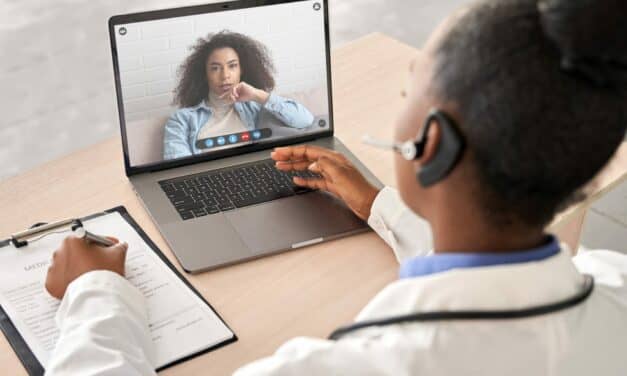
Expansion of telemedicine during and after the COVID-19 pandemic did not result in a statistically significant increase in healthcare spending or the total number of medical visits.
Read More
A study of Medicare Advantage beneficiaries with COPD shows that pharmacist-led telephone education significantly reduces errors in medication delivery.
Read More
Remote respiratory services enable Veterans to receive guided therapy and specialist consultations from home.
Read More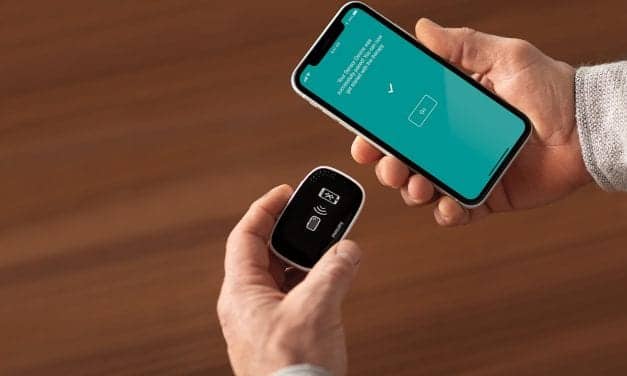
Sleep metrics from wrist monitors can identify which COPD patients may need more support during pulmonary rehab.
Read More
Elderly Americans were more than 50% less likely to use telemedicine for their healthcare visits than going to an office-based appointment.
Read More
Rolling back telehealth flexibilities may reduce access for Medicare beneficiaries and strain health systems already facing high demand.
Read More
Patients who rely on telemedicine can continue to be prescribed controlled medications through December 31, 2026.
Read More
Telehealth visits for respiratory symptoms surged 42% during the 2025 Los Angeles wildfires, suggesting people may rely more heavily on virtual healthcare during climate-related emergencies.
Read More
A weekly 90-minute online group singing session delivered for 12 weeks over Zoom was associated with improved quality of life in patients with COPD or interstitial lung disease.
Read More
Clinicians at UCLA Health successfully weaned a long-term tracheostomy patient off the ventilator and trach tube at home, relying mostly on virtual guidance and check ups.
Read More
To kickoff Pulmonary Fibrosis Awareness Month, the American Lung Association launched a new educational program that includes lung health navigators to support PF patients and families.
Read More
A new study suggests that telemedicine may reduce unnecessary imaging, supporting its use in virtual care models without increasing healthcare overuse.
Read More
Wildfire smoke from Canadian fires in June 2023 led to a 20% rise in medical visits for lung and heart conditions in Maryland.
Read More
The NCQA’s white paper outlines the realities of asthma care in the United States and the policy and clinical interventions that may provide improvements.
Read More
The Alliance is leading efforts to urge Congress to extend telehealth flexibilities it says have improved access to home health and hospice care by allowing virtual face-to-face recertification visits.
Read More
The reusable wearable and clinical intelligence system provide scalable exception management and automate vital sign collection to enhance patient monitoring.
Read More
The wearable patch, equipped with deep learning technology, detects wheezing with greater accuracy than digital stethoscopes, offering potential improvements in asthma and COPD diagnosis.
Read More
The acquisition strengthens Veridian Healthcare’s respiratory device offerings and expands its remote patient monitoring and telehealth product portfolio.
Read More
A proof-of-concept study demonstrated that the handheld device captures lung sounds with accuracy comparable to a digital stethoscope.
Read More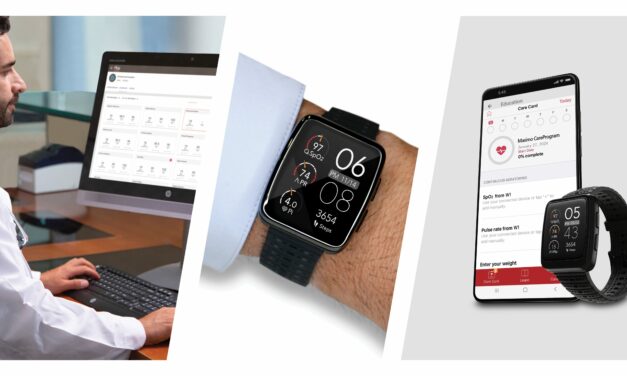
The Masimo W1 medical watch, now FDA-cleared for integration with Masimo SafetyNet, enables continuous remote monitoring of vital signs.
Read More