How Anesthesia Affects Neural Activity
Researchers at UCLA use human stem cell-derived models to replicate the brain wave patterns produced by general anesthesia.

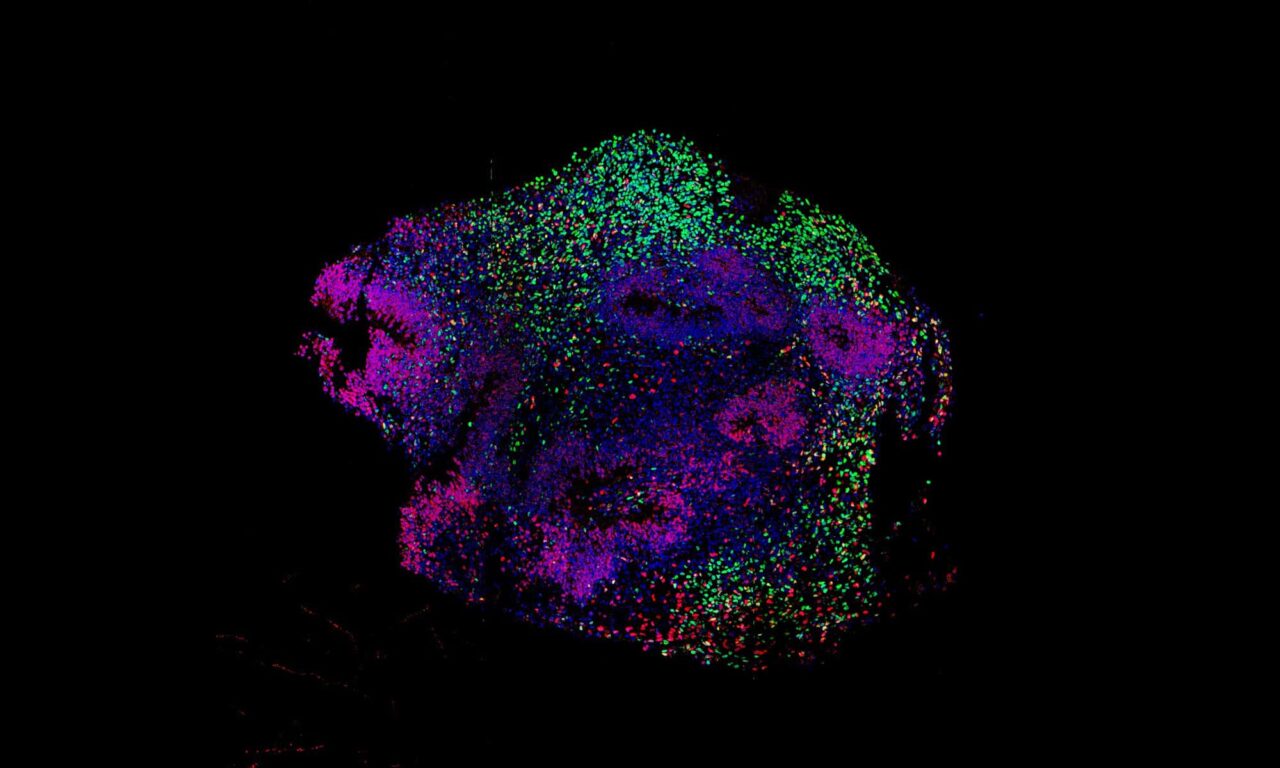
Researchers at UCLA use human stem cell-derived models to replicate the brain wave patterns produced by general anesthesia.
Researchers at UCLA use human stem cell-derived models to replicate the brain wave patterns produced by general anesthesia.
Read More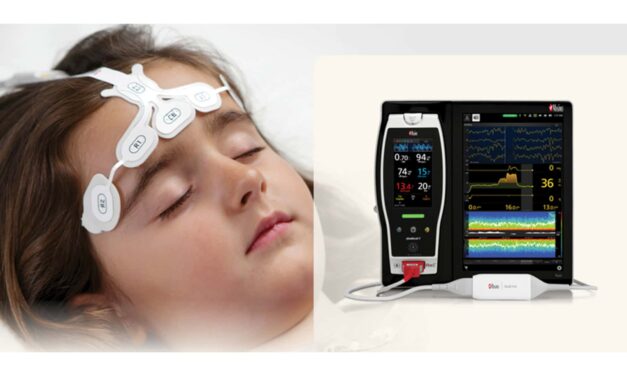
Masimo received FDA 510(k) clearance for the Patient State Index (PSi) , a new monitoring index that helps clinicians track brain activity and sedation levels in children during surgery and intensive care.
Read More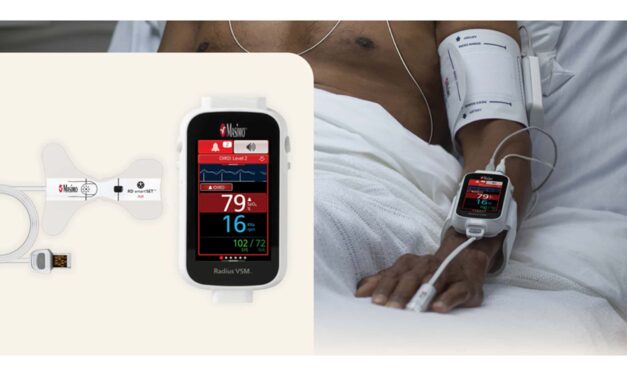
Masimo’s Radius VSM wearable monitor uses pattern recognition to help ID early signs of opioid-induced respiratory depression (OIRD).
Read More
Rextovy, a 4 mg naloxone medication, will be available for purchase without a prescription at retail stores and online.
Read More
A new five-step anesthesia protocol increased the likelihood of positive dreams, which may help reduce patient fear and improve emotional recovery after surgery.
Read More
A study of 142,000 patients suggests GLP-1 medications may influence brain pathways involved in cravings for nicotine, opioids, and alcohol.
Read More
A manufacturing error in the ventilator motor assembly may cause mechanical ventilation to fail before or during use, according to an FDA early alert.
Read More
Researchers at UC San Diego Health are leading a $12 million multi-site study to identify effective sleep-promotion strategies for critically ill patients.
Read More
New research finds that people over age 60 use cannabis primarily to manage pain and sleep, often relying on word of mouth over medical advice.
Read More
Negative descriptors in clinician notes for sickle cell patients are closely associated with stigma surrounding opioid use.
Read More
A case report suggests high doses of oxycodone in breastfeeding mothers can lead to apnea and bradycardia in newborns due to immature metabolic pathways.
Read More
A non-narcotic analgesics allergy label (NNAAL) is associated with several adverse perinatal outcomes, including greater rates of NICU admission, preterm birth, and more.
Read More
First-ever molecular snapshots show the body’s “cold sensor” in action, with implications for treating pain, migraines, and dry eye.
Read More
The INSPIRE study will examine whether seriously ill patients being intubated should receive sedation alone or with the addition of a neuromuscular blocker.
Read More
A new gene therapy may offer pain relief without addiction, targeting only pain signals and leaving the rest of the brain untouched.
Read More
Physicians perceive one-in-six patient visits in non-psychiatric clinics as “difficult,” and these encounters are more likely to involve patients with mental health disorders or chronic pain.
Read More
The World Health Organization says opioid agonist maintenance treatment (OAMT) is a cost-effective intervention that reduces mortality and morbidity.
Read More
Patients’ last days of COPD can be characterized by depression, anxiety, pain, and dyspnea. Clinicians must be alert to patient discomfort and offer appropriate palliative care and reassurance.
Read More
Women over age 57 are less likely to receive IV morphine in the emergency room when presenting with chest pain, compared to younger women, younger men, and older men.
Read More
President Trump signed an executive order on Thursday to reclassify marijuana from a Schedule I to a Schedule III drug.
Read More
Results of a clinical trial comparing sedation of intubated patients using ketamine or etomidate found greater risks and fewer benefits when using ketamine.
Read More
Women who had C-sections are 16% more likely to develop new sleep disorders—such as insomnia or sleep apnea—within a year after childbirth.
Read More
The FDA issued draft guidance to accelerate safe and effective non-opioid treatments and to reduce prescription-related opioid misuse.
Read More
A small study found 57.9% of patients using medical cannabis discontinued treatment within 12 months, and 44.7% quit in the first three months.
Read More