RSV Tied to Severe Complications in Lung Transplant Patients
Hospitalized lung transplant recipients face high rates of respiratory failure, lung function decline, and increased mortality risk.


Hospitalized lung transplant recipients face high rates of respiratory failure, lung function decline, and increased mortality risk.

Hospitalized lung transplant recipients face high rates of respiratory failure, lung function decline, and increased mortality risk.
Read More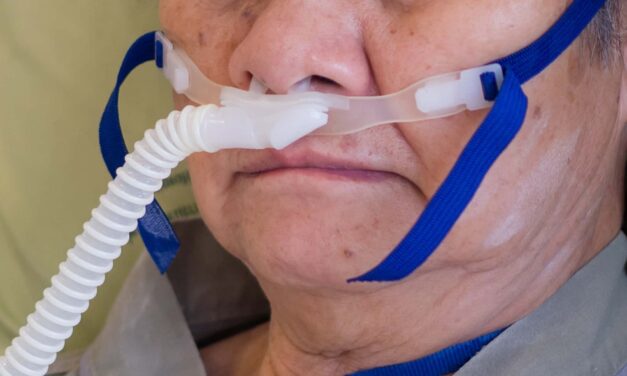
Compared to standard O2 therapy, high-flow nasal cannula did not lower mortality in in acute hypoxemic respiratory failure but may reduce the need for intubation, according to new data from the SOHO trial.
Read More
Findings suggest that the endothelial gene ALOX15 gene protects against sepsis-induced lung injury.
Read More
Acute respiratory failure (ARF) and acute respiratory distress syndrome (ARDS) are critical conditions associated with high mortality. Current management strategies are evolving toward personalized care.
Read More
Unlike traditional fiber-based oxygenators, the system is designed to maintain a more natural blood flow, potentially reducing harmful effects on blood components.
Read More
A growing number of engineered stone countertop workers are developing silicosis, a preventable lung disease linked to high silica dust exposure.
Read More
Ongoing patient monitoring by respiratory therapists and critical care staff is key to survival and outcomes in the neonatal/pediatric intensive care unit.
Read More
The study seeks to provide data on the benefits and costs of non-invasive ventilation for respiratory patients, potentially influencing future healthcare policies and patient access.
Read More
The trial will examine whether VentFree, a neuromuscular electrical stimulator, can reduce the time acute respiratory failure patients spend on mechanical ventilation.
Read More
A combination of CRISPR/Cas9 genome editing and blastocyst complementation was used to produce mouse lungs in rats for the first time.
Read More
A virtual reality (VR) simulation program at Cincinnati Children’s Hospital helped PICU staff hone their ability to recognize signs of respiratory distress and impending respiratory failure in pediatric patients, according to a AJCC study.
Read More
Researchers say different levels of sedation may explain disparities in deaths from respiratory failure.
Read More
A phase 2 study showed the treatment improved blood oxygen levels and lowered the risk of long-term sensory and motor neurologic symptoms.
Read More
In RT’s January-February 2022 issue, we cover advanced practice respiratory therapists (APRTs); recent advancements in bronchoscopy; and acute respiratory distress syndrome and respiratory failure during the COVID-19 pandemic.
Read More
The world’s health and how healthcare was delivered underwent significant changes in late December, 2019 into for spring and summer of 2020 as severe acute respiratory syndrome coronavirus 2 (SARSCoV-2) emerged from China. The COVID-19 pandemic forced rapid moves in research to study the novel virus, develop quick, reliable diagnostic tests, develop effective vaccines, and work out strategies to care for all who were infected with the disease.
Read More
People hospitalized with e-cigarette and vaping-associated lung injury in rural areas are more at risk for severe respiratory failure compared to people in urban regions, new research found.
Read More
Oxygen can be delivered through the wall of the intestine to compensate for the reduced availability of oxygen within the body that occurs in lung diseases.
Read More
Respiratory failure due to hypoxemia and/or hypercapnia calls for oxygen therapy, positive pressure support, and possibly ventilatory support. Care for these patients may escalate and require higher flow, FiO2, and more complex devices and intensive monitoring.
Read More
While studies show no general differences between males and females who have ARDS, management of the disease based on gender does matter.
Read More
Researchers are recommending that clinicians implement monitoring and intervention strategies for patients at risk of respiratory compromise to reduce these patients’ risks for respiratory failure and death.
Read More
Results of a recent study conducted in Australia and New Zealand to be published in JAMA is being published early online because of its public health importance.
Read More
NIV is now the standard of care for patients with acute-to-chronic respiratory failure. It takes special skills to apply it properly.
Read More
NPPV is growing in popularity as a preferred treatment for patients with acute respiratory failure, especially those with hypercapnic respiratory failure.
Read More
Nutritional care for patients with ARDS includes fat and carbohydrate balance, micronutrients, and antioxidant intake.
Read More