Walking Benefits COPD Patients Even in Areas with High Air Pollution
Physical activity reduces COPD symptom flare-ups regardless of local air quality levels.


Physical activity reduces COPD symptom flare-ups regardless of local air quality levels.

Physical activity reduces COPD symptom flare-ups regardless of local air quality levels.
Read More
Patients with chronic bronchitis experienced better quality of life and fewer severe hospitalizations after Metered CryoSpray (MCS) therapy.
Read More
Researchers are developing an automated tool to identify respiratory discomfort when ventilated patients are unable to communicate.
Read More
Veterans exposed to high-level explosive blasts face higher rates of emphysema, chronic bronchitis, and stroke years after service.
Read More
Children with an inherited risk for COPD show slower lung growth when exposed to higher levels of air pollution during early childhood.
Read More
Deliberate laughter therapy exercises are as effective as traditional breathing techniques for improving symptoms and overall health.
Read More
The diabetes and weight loss injection semaglutide was associated with fewer asthma attacks and COPD exacerbations, according to ERS 2026 research.
Read More
A high-dose vaccine reduced hospital admissions for flu or pneumonia by nearly 9% among older individuals with chronic respiratory conditions like asthma and COPD.
Read More
Insurance coverage is a significant barrier to accessing virtual pulmonary rehabilitation programs for people with COPD.
Read More
A UCLA Health study compared azithromycin and roflumilast in protecting against acute exacerbations of chronic obstructive pulmonary disease (AECOPD).
Read More
The COPD Foundation announced an upcoming meeting to ensure patient experiences and priorities are incorporated into the future of therapeutic development.
Read More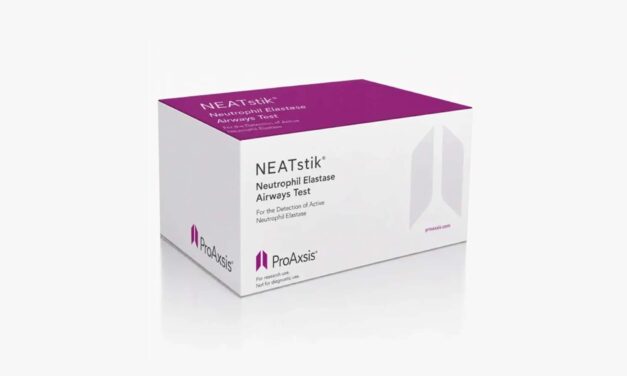
ProAxsis and Imperial College London are investigating the NEATstik test, which detects active neutrophil elastase (NE) in sputum samples.
Read More
The collaboration will combine flow cytometry and proteomic analysis to help ID specific inflammatory pathways for chronic lung diseases.
Read More
Men receiving systemic testosterone therapy showed a statistically significant decrease in inhaled corticosteroid use starting 18 to 24 months after treatment initiation.
Read More
Traffic-related air pollution can worsen respiratory symptoms during daily exercise for people with chronic lung disease.
Read More
Windward Bio is evaluating WIN378, a monoclonal antibody designed for twice-yearly dosing in patients with moderate-to-severe COPD.
Read More
New research suggests acoustic speech features can identify respiratory exacerbations from the first day of onset.
Read More
Nuvaira treated the first patient treated in a clinical trial evaluating a one-time lung denervation therapy for patients with specific COPD symptoms.
Read More
American Lung Association is launching a new initiative to help the more than 16 million people in the US living with COPD manage symptoms and improve quality of life.
Read More
Grifols enrolled the first patient in its Phase 3 SWIFT-SC clinical trial to evaluate its subcutaneous Alpha1-Proteinase Inhibitor for the treatment of alpha1-antitrypsin (AAT) deficiency.
Read More
New research suggests COPD patients lack critical information and clinical guidance to manage respiratory risks during wildfire events.
Read More
ENA Respiratory received notices of allowance for two US patents covering its innate immune modulators and their application in preventing COPD exacerbations.
Read More
Researchers suggest delivering vitamin D directly to the lungs could bypass the limitations of oral supplements in treating COPD and asthma.
Read More
AERO-007 demonstrated significant lung function improvements over 24 hours in patients with moderate-to-severe COPD.
Read More