FDA Grants Priority Review for Arikayce Inhaled Antibiotic for MAC
The FDA accepted Insmed's supplemental new drug application with Priority Review for Arikayce to treat Mycobacterium avium complex (MAC) lung disease.


The FDA accepted Insmed's supplemental new drug application with Priority Review for Arikayce to treat Mycobacterium avium complex (MAC) lung disease.

The FDA accepted Insmed’s supplemental new drug application with Priority Review for Arikayce to treat Mycobacterium avium complex (MAC) lung disease.
Read More
Researchers identified genetic-related structural defects that prevent cilia from clearing mucus in primary ciliary dyskinesia patients.
Read More
Children with an inherited risk for COPD show slower lung growth when exposed to higher levels of air pollution during early childhood.
Read More
Researchers identified the factors that are most likely to create hazardous respiratory conditions inside homes after hurricane-related flooding.
Read More
Global organizations unite to raise awareness and improve care for more than 1 million people living with bronchiectasis.
Read More
New data shows that patient visits and lung function tests for cystic fibrosis have not returned to 2019 levels despite new treatments and telehealth options.
Read More
On July 1, international organizations aim to increase awareness and research for bronchiectasis to improve patient outcomes and healthcare access.
Read More
A large-scale international study found that comorbid bronchiectasis and diabetes is associated with higher mortality, increased hospitalizations, and more frequent exacerbations.
Read More
Experts and healthcare organizations gathered in Germany for the 9th World Bronchiectasis Conference to share updates on clinical care, research findings, and new digital resources.
Read More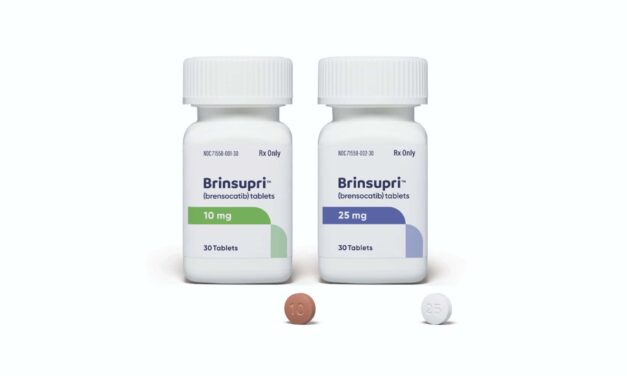
A new class of drugs offers a disease-based approach to managing non-cystic fibrosis bronchiectasis by targeting airway inflammation.
Read More
Researchers linked loss-of-function variants in the TMEM63B gene to a novel disorder causing interstitial lung disease in some pediatric patients.
Read More
Updated clinical data demonstrates that Papzimeos for adults with Recurrent Respiratory Papillomatosis (RRP) can maintain complete responses for more than four years.
Read More
Pediatric pulmonary rehab programs enhance exercise capacity, strength, and quality of life even when lung function measurements remain stable.
Read More
Benralizumab (Fasenra) is now indicated to reduce the risk of flare ups for adult and pediatric patients with hypereosinophilic syndrome.
Read More
Insmed Inc has partnered with TV host Ty Pennington to launch “Suspect Bronchiectasis (Suspect BE),” an educational initiative aimed at increasing awareness and proper diagnosis of bronchiectasis.
Read More
Higher alcohol consumption is associated with increased risk of small airway obstruction, even before major lung disease develops.
Read More
Negative descriptors in clinician notes for sickle cell patients are closely associated with stigma surrounding opioid use.
Read More
The federal program provides free respiratory testing to support the early detection of black lung disease in mining communities.
Read More
Approximately 13% of young adults with complex medical conditions and 36% without such conditions lost Medicaid coverage at age 19.
Read More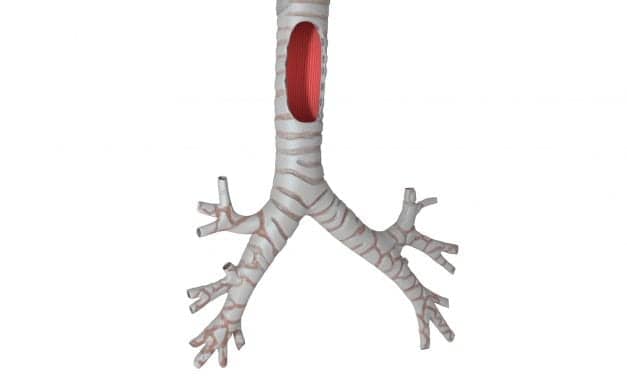
Idiopathic subglottic stenosis (iSGS) is a rare airway disease that causes scar tissue to narrow the airway below the vocal cords and primarily affects women and is often misdiagnosed as asthma.
Read More
Airway resistance was associated with increased exacerbation rates in the placebo group but not the mepolizumab treatment groups.
Read More
Researchers developed lipid nanoparticles capable of inserting a full healthy CFTR gene into lab-grown human airway cells with severe cystic fibrosis.
Read More
The Quantitative Mucin Index (MUCQ) of the Lung analyzes sputum and other lung mucus samples to detect airway mucus abnormalities, assess disease risk, and track disease progression in patients over time.
Read More
The majority (57.5%) of commercially insured patients had at least one chronic condition in 2024, with high cholesterol the most common affliction.
Read More