Researchers ID Genes Linked to Severe Pediatric COVID-19
Study reveals shared biological responses among children hospitalized with COVID-19 and other serious lung infections.
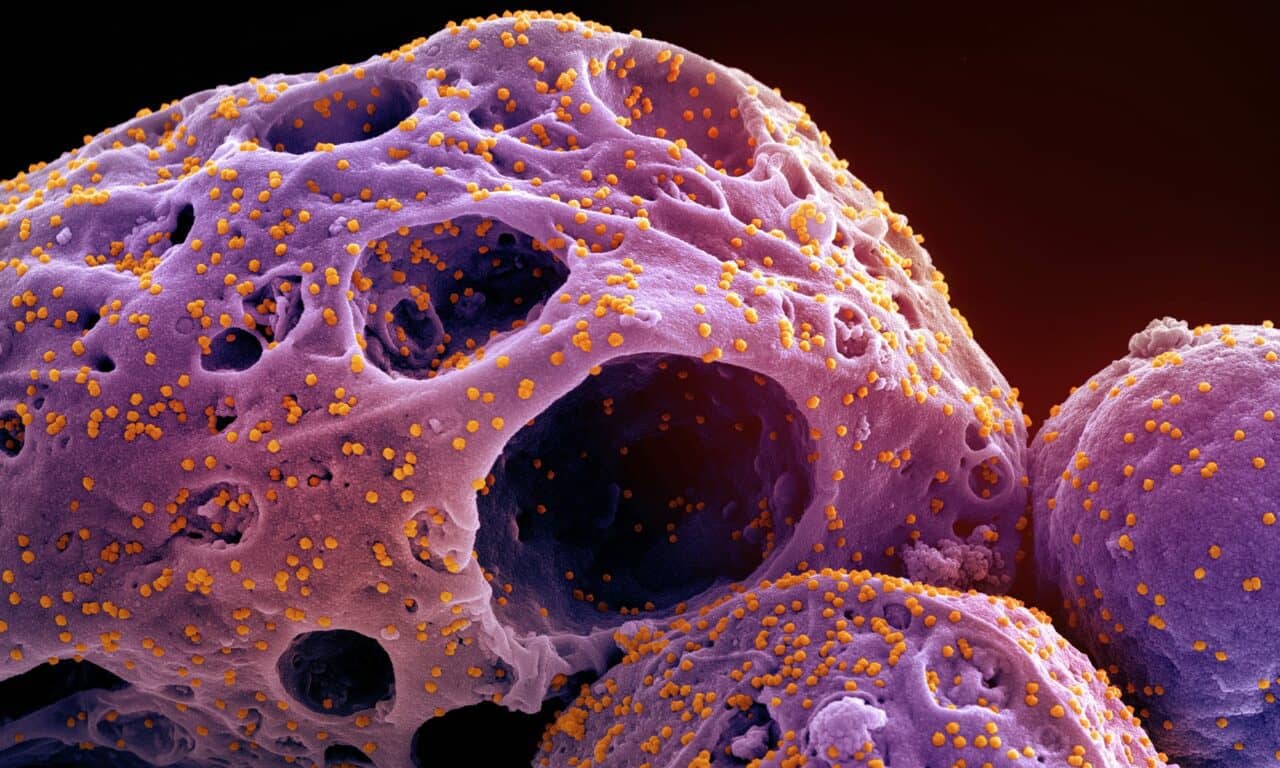
Study reveals shared biological responses among children hospitalized with COVID-19 and other serious lung infections.
Study reveals shared biological responses among children hospitalized with COVID-19 and other serious lung infections.
Read More
Surgeons at Cedars-Sinai used minimally invasive robotic technology to diagnose and remove an uncommon airway tumor in a young patient.
Read More
The American Academy of Pediatrics recommends generative artificial intelligence tools should be specifically designed using pediatric datasets rather than adapted from adult clinical models.
Read More
New clinical recommendations from the American Academy of Pediatrics help healthcare providers identify, diagnose, and care for infants exposed to measles.
Read More
How a high-volume pediatric hospital implemented a collaborative protocol to improve pediatric asthma outcomes and reduce emergency department visits.
Read More
A study indicates pediatric asthma patients with a common gene variant may experience diminished response to mepolizumab during viral infections.
Read More
Sudden unexpected infant death accounts for more than one-third of the infant mortality disparity between Black and white infants in the US.
Read More
New national data show surging hospitalizations, low helmet use, and severe injuries concentrated among pediatric e-scooter riders.
Read More
Reported cases of intentional substance exposures at school have surged among elementary and middle school students, while high school adolescents faced more severe medical outcomes.
Read More
World Lung Day, held on September 25, is promoting early life lung health and the necessity for it to remain a priority throughout life.
Read More
Researchers are developing a noninvasive diagnostic protocol using breath analysis and cheek swabs to identify asthma before age 5.
Read More
The American Academy of Sleep Medicine highlights the importance of healthy sleep for academic and physical development during Student Sleep Health Week.
Read More
Children with an inherited risk for COPD show slower lung growth when exposed to higher levels of air pollution during early childhood.
Read More
New global guidance and manufacturing initiatives focus on delivering age-appropriate sickle cell therapies to pediatric patients.
Read More
Classroom dust containing elevated levels of Streptomyces and Mycobacterium species is associated with measurable reductions in lung function among school-aged children.
Read More
A national study reveals fewer pediatricians report emotional exhaustion, though overall burnout prevalence in healthcare remains a concern.
Read More
AAP recommendations expand second-season RSV protection criteria for children ages 8 to 19 months, alongside updated infant COVID-19 vaccination recommendations.
Read More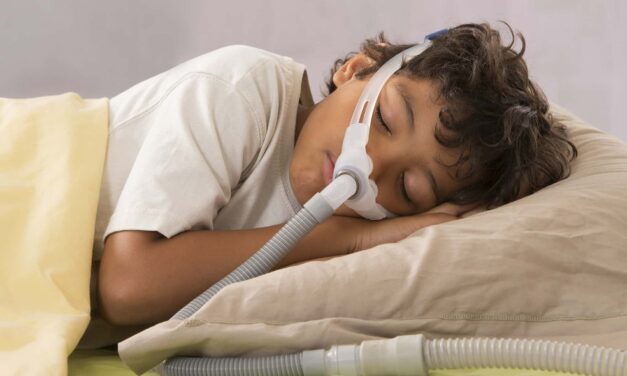
Researchers are examining alternative sleep apnea therapies in children with Down Syndrome, standard surgeries and positive airway pressure devices often fail to resolve breathing issues in this pediatric population.
Read More
A national study finds significant inconsistency among doctors when interpreting lung sounds in children suspected of pediatric pneumonia.
Read More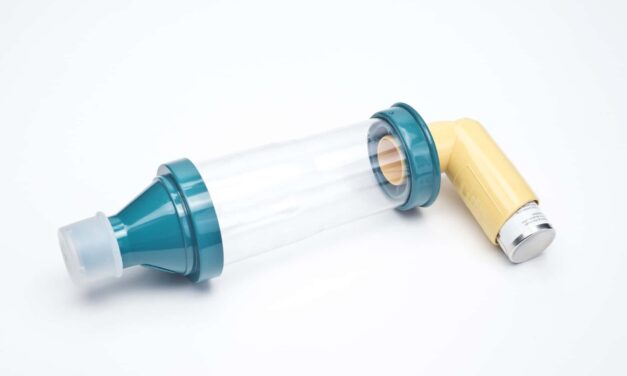
California is launching a statewide initiative to provide free albuterol inhalers and spacers to 10,000 public and charter schools to treat students during respiratory emergencies, according to Governor Gavin Newsom.
Read More
The American Academy of Pediatrics (AAP) issued updated recommendations for the prevention and control of influenza in children for the 2026-27 season, urging vaccination for all children aged 6 months and older.
Read More
President Donald Trump signed an executive order on Monday that revises federal recommendations for the childhood vaccination schedule, according to multiple media reports including the AP.
Read More
Secondhand tobacco smoke increased sleep interruptions in pediatric patients, even when traditional apnea measures remain unchanged.
Read More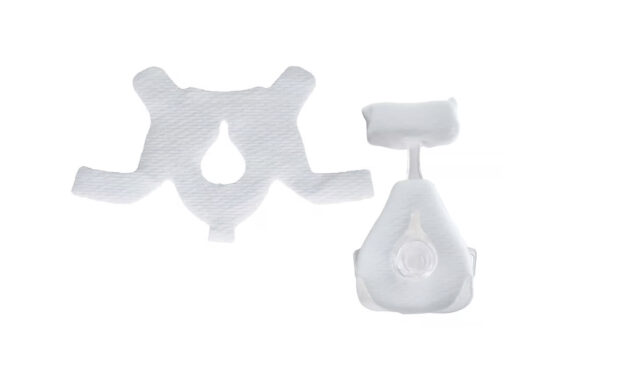
Sunset Healthcare Solutions has added KidZzzs, the first mask liners pre-cut specifically for pediatric noninvasive ventilation (NIV).
Read More