California Moves to Ban High-Silica Engineered Stone Countertops to Protect Workers
Cal/OSHA issued draft rules to prohibit the fabrication of artificial stone products containing more than 1% crystalline silica, citing lung risks to workers.

Cal/OSHA issued draft rules to prohibit the fabrication of artificial stone products containing more than 1% crystalline silica, citing lung risks to workers.
Cal/OSHA issued draft rules to prohibit the fabrication of artificial stone products containing more than 1% crystalline silica, citing lung risks to workers.
Read More
Remote work from home adds 15 minutes of daily sleep but increases sitting and lying down by 45 minutes.
Read More
Fragrances in common cleaning products react with ozone to create indoor air pollution by forming nanoparticles that can settle deep in the respiratory system.
Read More
A study of California workers identified nearly 600 cases of the incurable lung condition silicosis, prompting experts to call for national surveillance and stronger safety standards.
Read More
A survey of frontline healthcare workers suggests a protein-based COVID-19 vaccine may cause fewer symptoms and less work disruption compared to mRNA options.
Read More
The federal program provides free respiratory testing to support the early detection of black lung disease in mining communities.
Read More
Veterans with chronic rhinosinusitis (CRS) who were exposed to burn pits and other toxins show a marked increase in sinus mast cells.
Read More
Burn pit exposure in veterans correlated with increased anthracotic pigment burden measured by microscopy in lung tissue biopsies.
Read More
Pulmonary experts say it’s difficult to know the lingering health issues the public may experience due to the wildfire smoke or exposure to toxins still present in burn areas.
Read More
Researchers collected samples from homes that were exposed to LA wildfire smoke but didn’t burn, in order to understand the effects.
Read More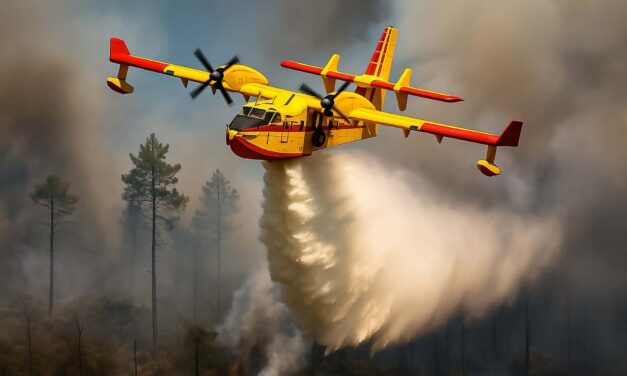
A bipartisan bill introduced in the United States Senate aims to create the first-ever respiratory protection standards for wildland firefighters.
Read More
American military veterans deployed to Iraq or Afghanistan had a higher risk of asthma, chronic rhinitis, chronic rhinosinusitis, and nasal polyposis compared with non-deployed peers.
Read More
First responders with more toxic dust exposures at Ground Zero of the 9/11 World Trade Center attacks had a three times higher rate of lung cancer incidence than those with fewer exposures.
Read More
COPD Foundation and partners are raising awareness of risks for occupational COPD development, especially amongst firefighters and other first responders.
Read More
A tiny grid of pastel- and candy-colored squares effectively “sniffs” out hazardous chemicals and may be a cost-effective alternative to electronic noses (e-noses).
Read More
American Cancer Society researchers stress continued efforts are needed to increase firefighter access to cancer screening, early detection, and prevention.
Read More
The Consumer Product Safety Commission will stop collecting data on injuries from adverse drug effects and other incidents like car accidents, according to a report from Reuters.
Read More
Melatonin supplementation may help offset the DNA damage associated with night shift work by boosting the body’s ability to repair it.
Read More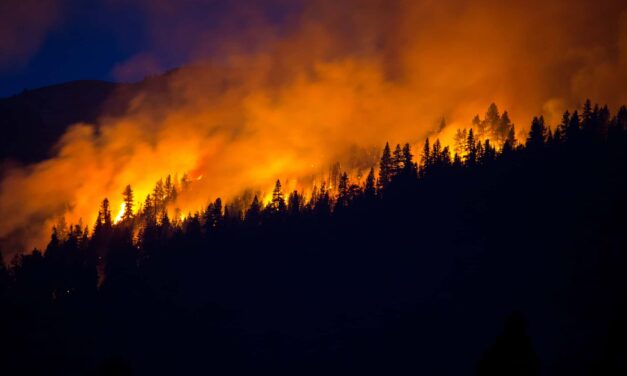
Wildfire smoke and air pollutants from burning debris and chemicals can result in significant lung health risks for those exposed, particularly people with chronic lung diseases including COPD, and first responders.
Read More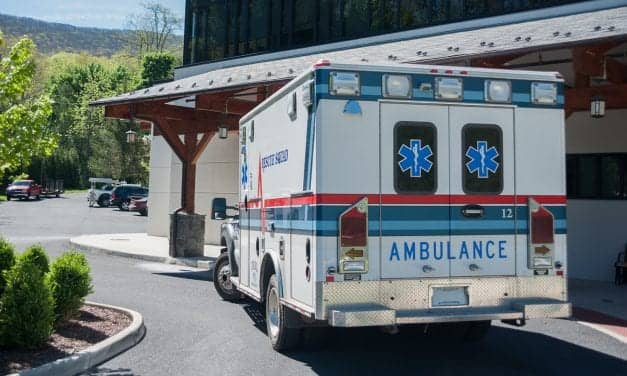
Ambulance drivers and taxi drivers, whose jobs require frequent spatial and navigational processing, have the lowest levels of death due to Alzheimer’s disease compared with other occupations.
Read More
A growing number of engineered stone countertop workers are developing silicosis, a preventable lung disease linked to high silica dust exposure.
Read More
After successful development and pilot, technology using biomarkers from wearables to predict infection is set to expand within the US Department of Defense.
Read More
Home healthcare workers will have access to a new wearable device to monitor their safety when treating patients outside the hospital.
Read More
US Department of Labor safety investigators found a Selma, Ala, brick manufacturer exposed workers to silica crystalline respiratory hazards that have the potential to lead to lung cancer, chronic obstructive pulmonary disease, and kidney disease.
Read More