Federal Grant to Fund Inhaled Vaccines
A $20.7M federal grant will fund a 5-year inhaled vaccines initiative at the Icahn School of Medicine at Mount Sinai beginning with development of an avian influenza nasal spray prototype.


A $20.7M federal grant will fund a 5-year inhaled vaccines initiative at the Icahn School of Medicine at Mount Sinai beginning with development of an avian influenza nasal spray prototype.

A $20.7M federal grant will fund a 5-year inhaled vaccines initiative at the Icahn School of Medicine at Mount Sinai beginning with development of an avian influenza nasal spray prototype.
Read More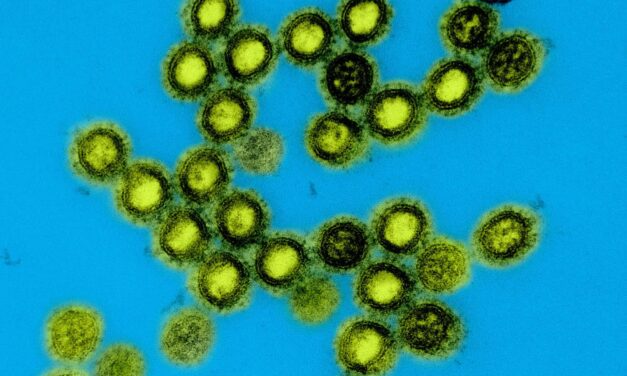
A new study finds individual viruses drive specific lung conditions while combined viral spread mirrors total hospital demand.
Read More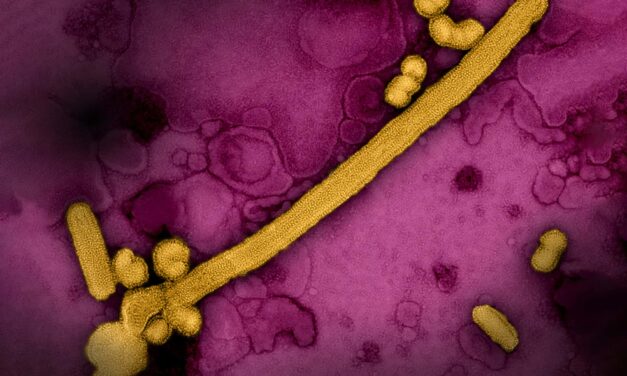
Study shows immune responses to flu and COVID-19 trigger lasting inflammation in the spine, hastening onset/progression of amyotrophic lateral sclerosis (ALS).
Read More
The federal agency restructured its flu and COVID-19 units into a unified Influenza and Respiratory Viruses Division (IRVD).
Read More
Less than 44% of people in the US received a flu shot during the 2025-2026 season, down from 52% in 2021.
Read More
A high-dose vaccine reduced hospital admissions for flu or pneumonia by nearly 9% among older individuals with chronic respiratory conditions like asthma and COPD.
Read More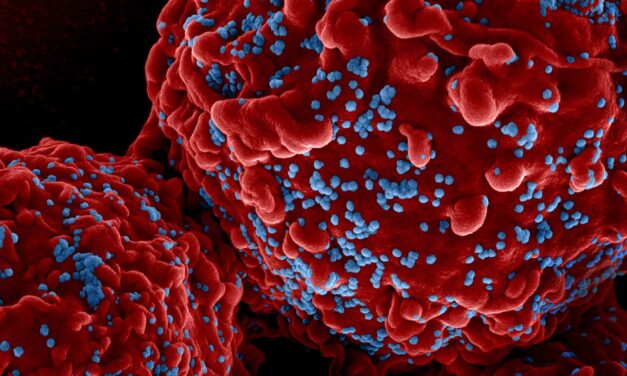
Leading medical societies warn that proposed changes and funding delays at the National Institutes of Health could disrupt active studies and patient care.
Read More
AAP recommendations expand second-season RSV protection criteria for children ages 8 to 19 months, alongside updated infant COVID-19 vaccination recommendations.
Read More
New clinical recommendations emphasize the safety and importance of COVID-19, influenza, and RSV vaccines for individuals with weakened immune systems.
Read More
CVS and Walgreens are expanding walk-in access, multi-vaccine scheduling, and respiratory illness testing ahead of peak viral activity.
Read More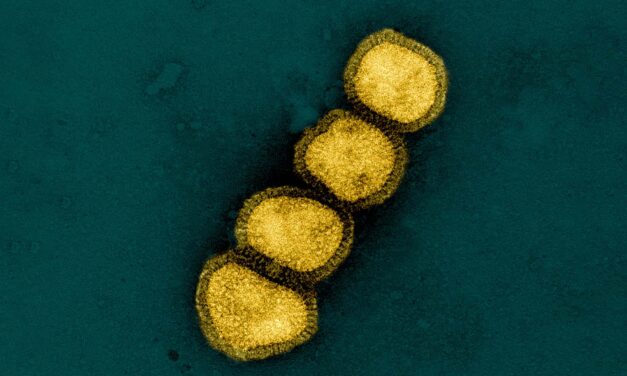
Preclinical studies on a new universal flu vaccine derived from baker’s yeast produced particles that provide broad protection against multiple influenza strains.
Read More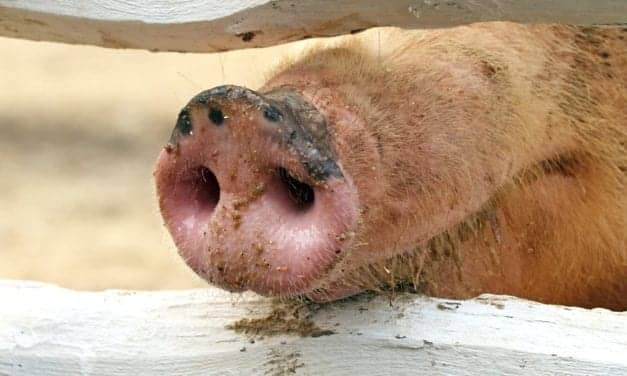
Researchers have identified the first human case of swine influenza A(H1N2)v in mainland China, likely a domestic pig transmission to a rural child.
Read More
The National Foundation for Infectious Diseases (NFID) launched an initiative to streamline evidence-based information regarding respiratory disease prevention.
Read More
The American Academy of Pediatrics (AAP) issued updated recommendations for the prevention and control of influenza in children for the 2026-27 season, urging vaccination for all children aged 6 months and older.
Read More
Co-Diagnostics submitted a dual 510(k) premarket notification and CLIA Waiver by Application to the FDA for its Co-Dx PCR Flu A/B & RSV multiplex respiratory test.
Read More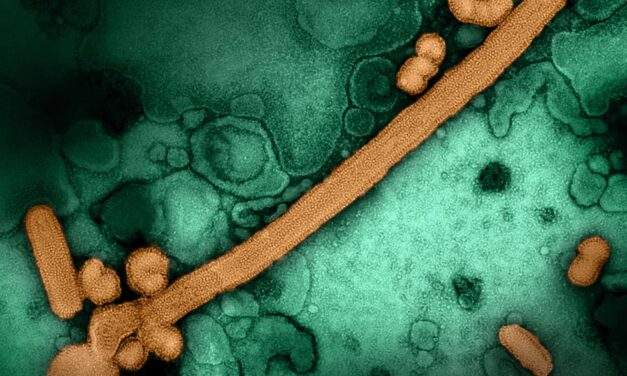
Pediatric influenza and Mycoplasma pneumoniae infections returned to pre-pandemic levels after COVID-19 restrictions were lifted.
Read More
Infants exposed to viruses by older siblings face a higher risk of hospitalization and long-term socioeconomic challenges, according to new research.
Read More
A study shows that a loss of immunity caused flu and RSV peaks to occur earlier in the season before returning to pre-pandemic patterns.
Read More
Specific host genotypes and sexes can cause influenza A viruses to gain virulence faster, potentially impacting the severity of flu outbreaks.
Read More
Parainfluenza virus activity is currently high across the US, while HMPV and rhinovirus/enterovirus levels are beginning to decline, according to the CDC.
Read More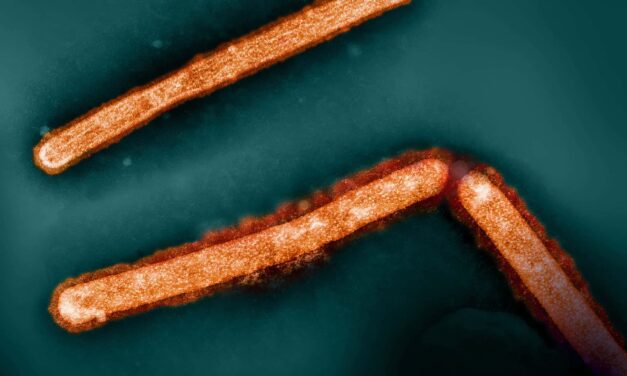
Research suggests only 10 viral particles of the H5N1 bird flu are enough to cause a productive infection in dairy cows.
Read More
The AMDI Fast PCR System provides point-of-care results for RSV, influenza, and COVID-19 in less than 10 minutes.
Read More
Research involving 2.5 million patients found no increase in serious adverse events when receiving both COVID-19 and influenza vaccinations during the same visit.
Read More
Backed by approximately $500 million in investment from Big Tech, the Intercept initiative will back broad-spectrum preventatives and air-cleaning technologies to reduce the global health burden of respiratory infections.
Read More