Medical Simulation Program to Improve Clinical Training
A Rutgers Univ initiative uses advanced manikins to train students from its pharmacy, medicine, nursing, and health professions on clinical scenarios in a team-based environment.

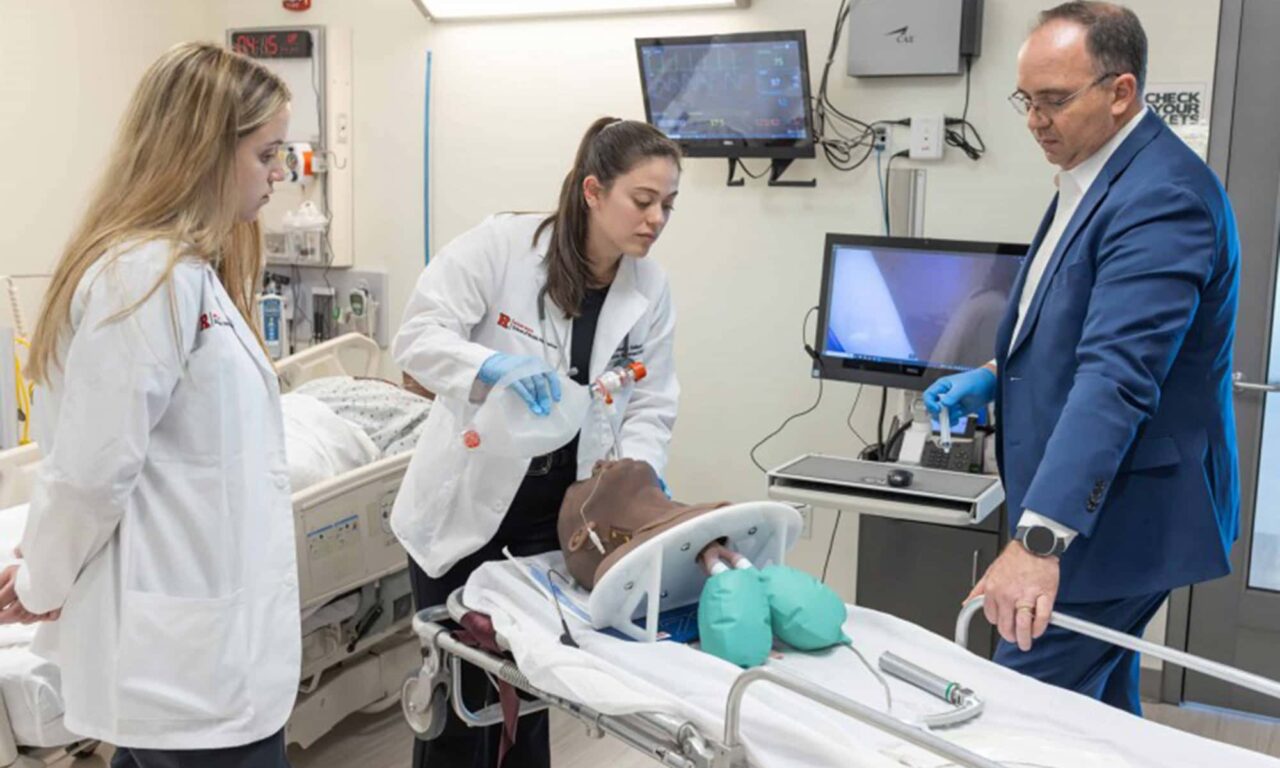
A Rutgers Univ initiative uses advanced manikins to train students from its pharmacy, medicine, nursing, and health professions on clinical scenarios in a team-based environment.
A Rutgers Univ initiative uses advanced manikins to train students from its pharmacy, medicine, nursing, and health professions on clinical scenarios in a team-based environment.
Read More
The Supplemental Oxygen Access Reform (SOAR) Act aims to modernize Medicare benefits, restore access to liquid oxygen, and increase the availability of respiratory therapists for patients.
Read More
The American Heart Association and American College of Cardiology issued their first joint clinical practice recommendations for acute pulmonary embolism.
Read More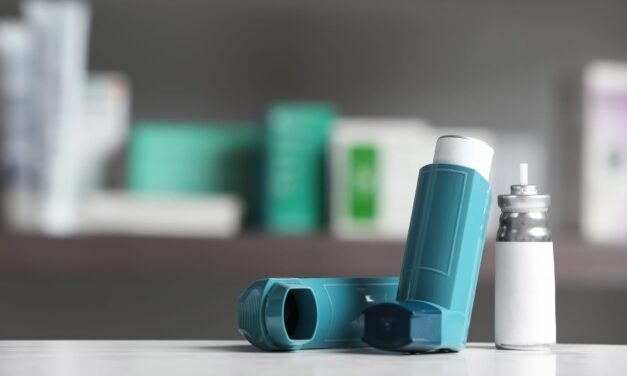
Updated VA/DOD asthma guidelines prioritize inhaled steroids while rejecting air filtration devices.
Read More
The American College of Physicians (ACP) issued its final update on antiviral treatment for COVID‑19 in outpatient settings.
Read More
The Quantitative Mucin Index (MUCQ) of the Lung analyzes sputum and other lung mucus samples to detect airway mucus abnormalities, assess disease risk, and track disease progression in patients over time.
Read More
As COPD progresses, a combination of pathological changes occur in the lungs which necessitate oxygen therapy, which may be delivered in both the acute care and home care settings.
Read More
Lower flow rates (20-30 LPM) when administering high-flow oxygen therapy had superior efficacy in lowering PaCO2 levels in patients suffering acute exacerbations of COPD (AECOPD).
Read More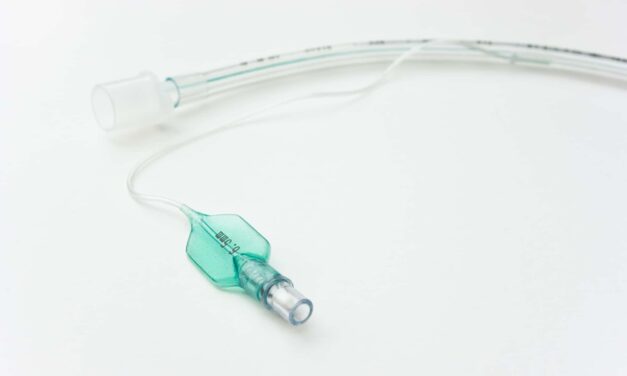
Polyurethane-cuffed endotracheal tubes with subglottic suction (PU-EVAC) did not reduce incidence of IVAC or possible VAP compared with a standard PVC ET tubes.
Read More
An ICU admissions workflow known as BRIDGE-ICU can guide discussions with critically ill patients and their families and cut down on non-beneficial or futile care.
Read More
A hospital bed “command center” piloted at University of Michigan Health may increase bed use efficiency for emergency medicine patients awaiting admission.
Read More
Many parents and clinicians remain hesitant to recommend exercise for children with asthma, despite evidence it can improve symptoms and overall quality of life.
Read More
The American Thoracic Society has published a new clinical practice guideline (CPG) on pneumonia care, including guidance on lung ultrasound, antibiotics, and corticosteroid use.
Read More
The ADLM issued guidance for coagulation testing in patients using direct oral anticoagulants (DOACs), including stroke, deep vein thrombosis, and pulmonary embolism.
Read More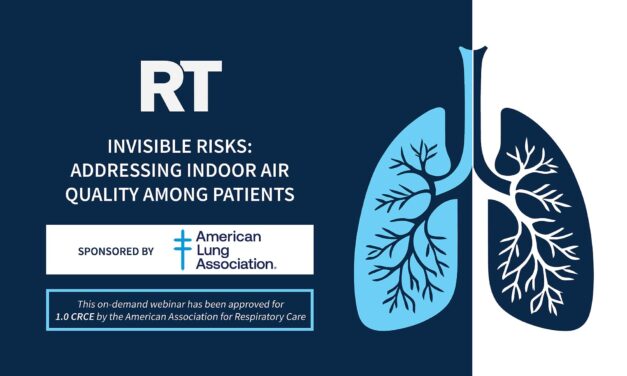
RT’s CRCE-approved webinar “Invisible Risks: Addressing Indoor Air Quality Among Patients,” is now available for on-demand viewing.
Read More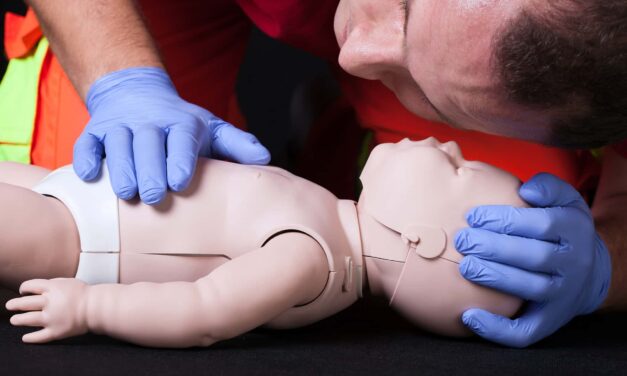
New guidelines from the AAP/AHA update procedures for pediatric and neonatal CPR and emergency cardiovascular care for the first time since 2020.
Read More
For patients receiving endobronchial valve procedures, high-volume hospitals had significantly longer lengths of stay.
Read More
The first floor of Vanderbilt University Medical Center’s pulmonary stepdown unit features 30 private, inpatient rooms for adult patients with complex pulmonary issues requiring hospitalization.
Read More
RT obtains industry insights on bubble CPAP administration and how technology and best practices are helping to ensure more babies stay successfully on noninvasive support.
Read More
New data suggests creating a COPD care pathway helps standardize COPD treatment and improves patient outcomes.
Read More
The American Academy of Otolaryngology–Head and Neck Surgery Foundation (AAO-HNSF) published the Clinical Practice Guideline (CPG): Adult Sinusitis Update.
Read More
A new study suggests that telemedicine may reduce unnecessary imaging, supporting its use in virtual care models without increasing healthcare overuse.
Read More
Researchers have developed a 3D bio-printed model that closely mimics the complexity of natural lung tissue.
Read More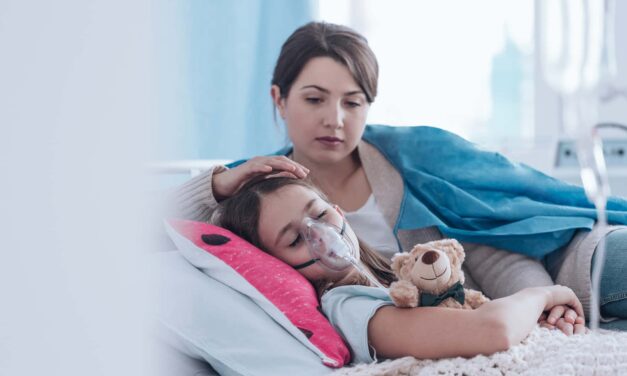
Pediatric patients require special care when receiving oxygen therapy due to their unique physiological needs and increased sensitivity to oxygen levels.
Read More