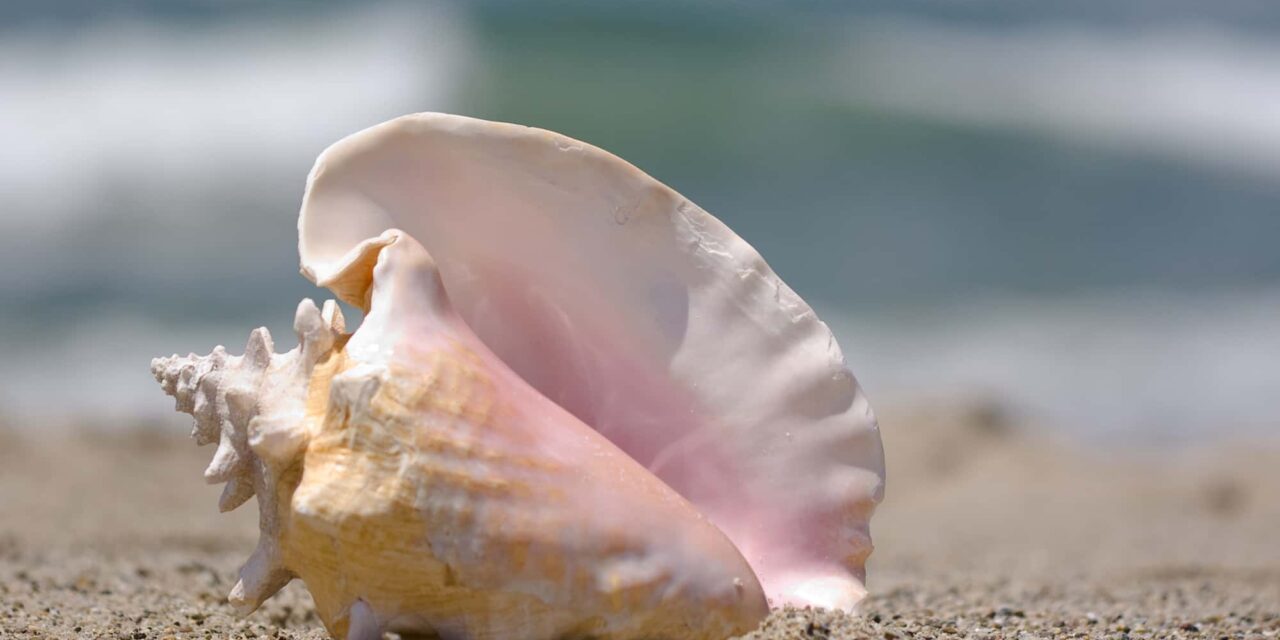
Patients with moderate obstructive sleep apnea who practiced conch shell blowing (shankh blowing) slept better, felt more alert during the day and had fewer breathing interruptions at night.
RT’s Three Key Takeaways:
- Conch shell (Shankh) blowing improved sleep apnea symptoms, with participants experiencing fewer nighttime apneas, higher oxygen levels, and 34% less daytime sleepiness after six months of practice.
- The breathing technique strengthens airway muscles, as the deep inhalation and forceful exhalation through the conch shell create resistance and vibrations that tone the throat and soft palate.
- This low-cost, culturally rooted intervention offers a promising alternative, especially for people with obstructive sleep apnea who struggle with or lack access to CPAP machines or medications.
People who practiced blowing through a conch shell regularly for six months experienced a reduction in their symptoms of obstructive sleep apnea (OSA), according to a small randomized controlled trial published in ERJ Open Research. The researchers say conch blowing is a simple, low-cost intervention that could help reduce symptoms without the need for medication or machines.
The practice is also known as shankh blowing, which has been part of Indian culture for thousands of years, researchers say.
“The way the shankh is blown is quite distinctive. It involves a deep inhalation followed by a forceful, sustained exhalation through tightly pursed lips. This action creates strong vibrations and airflow resistance, which likely strengthens the muscles of the upper airway, including the throat and soft palate – areas that often collapse during sleep in people with OSA,” said study author Dr Krishna K Sharma from the Eternal Heart Care Center and Research Institute in Jaipur, India. “The shankh’s unique spiraling structure may also contribute to specific acoustic and mechanical effects that further stimulate and tone these muscles.”
The study included 30 people with moderate OSA, aged between 19 and 65, who were assessed at the Eternal Heart Care Centre and Research Institute between May 2022 and January 2024. They were tested with polysomnography, meaning they are monitored throughout a night’s sleep, and asked questions about the quality of their sleep and how sleepy they feel during the day.
They were randomly assigned to either be trained to practice blowing through a conch shell (16 patients) or to practice a deep breathing exercise (14 patients). Participants were provided with a traditional shankh used in yogic practices. They were trained in person at the clinic by a study team member before beginning home-based practice. Participants were encouraged to practice at home for a minimum of 15 minutes, five days per week. After six months, the patients were reassessed.
Compared to the people who practiced deep breathing, the people who practiced shankh blowing were 34% less sleepy during the daytime, they reported sleeping better and polysomnography revealed that they had four to five fewer apneas per hour on average. They also had higher levels of oxygen in their blood during the night.
“In my clinical practice, several patients reported feeling more rested and experiencing fewer symptoms after regularly practicing shankh blowing,” said Sharma. “These observations led us to design a scientific study to rigorously test whether this simple, ancient practice could serve as a meaningful therapy for people with OSA.”
“For people living with OSA, especially those who find CPAP uncomfortable, unaffordable, or inaccessible, our findings offer a promising alternative,” said Sharma. “Shankh blowing is a simple low-cost, breathing technique that could help improve sleep and reduce symptoms without the need for machines or medication.”
Sharma added: “This is a small study, but we are now planning a larger trial involving several hospitals. This next phase will allow us to validate and expand on our findings in a broader, more diverse population and assess how shankh blowing performs over longer periods. We also want to study how this practice affects airway muscle tone, oxygen levels and sleep in greater detail. We’re particularly interested in comparing shankh blowing with standard treatments like CPAP, and in examining its potential help in more severe forms of OSA.”