Declining Flu Vaccination Rates Could Increase Severity of 2026 Influenza Season
Less than 44% of people in the US received a flu shot during the 2025-2026 season, down from 52% in 2021.


Less than 44% of people in the US received a flu shot during the 2025-2026 season, down from 52% in 2021.

Less than 44% of people in the US received a flu shot during the 2025-2026 season, down from 52% in 2021.
Read More
A high-dose vaccine reduced hospital admissions for flu or pneumonia by nearly 9% among older individuals with chronic respiratory conditions like asthma and COPD.
Read More
New clinical recommendations emphasize the safety and importance of COVID-19, influenza, and RSV vaccines for individuals with weakened immune systems.
Read More
CVS and Walgreens are expanding walk-in access, multi-vaccine scheduling, and respiratory illness testing ahead of peak viral activity.
Read More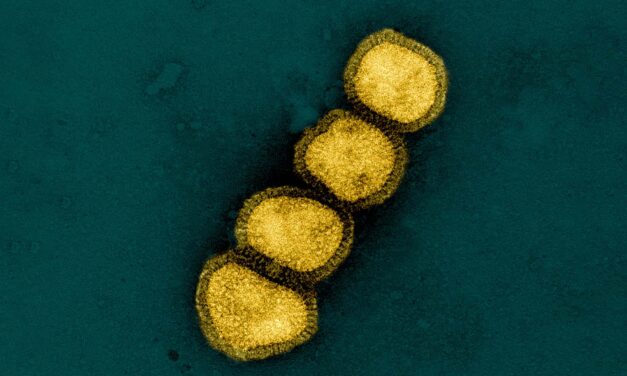
Preclinical studies on a new universal flu vaccine derived from baker’s yeast produced particles that provide broad protection against multiple influenza strains.
Read More
The American Academy of Pediatrics (AAP) issued updated recommendations for the prevention and control of influenza in children for the 2026-27 season, urging vaccination for all children aged 6 months and older.
Read More
President Donald Trump signed an executive order on Monday that revises federal recommendations for the childhood vaccination schedule, according to multiple media reports including the AP.
Read More
For every 100 children vaccinated against influenza, between nine and 14 cases are prevented, according to Harvard Medical School data.
Read More
Researchers developed an avian flu vaccine platform that generates immunity in the respiratory tract and bloodstream to combat H5N1.
Read More
Defense secretary Pete Hegseth cited medical autonomy and religious freedom in the decision to drop the long-standing flu vaccine mandate.
Read More
An NFID initiative provided evidence-based guidance on influenza, COVID-19, and RSV during the 2025-2026 season.
Read More
A new whitepaper shows that real-time clinical insights for primary care physicians led to higher flu vaccination rates and fewer emergency visits for high-risk populations, including COPD patients.
Read More
A US district court blocked HHS Secretary Robert Kennedy Jr’s recent moves to revise the federal childhood vaccine schedule and overhaul of the CDC’s vaccine advisory board, according to multiple media reports including Reuters.
Read More
New research suggests that messier, less-stuffed nanoparticles may actually deliver drugs more effectively than tightly packed ones.
Read More
Vaccination against influenza and COVID-19 currently lags among people 50 and older, according to a national survey.
Read More
The 2026 AAP recommendations remain largely unchanged from 2025 but differ from the CDC’s new immunization schedule.
Read More
While repeated flu vaccination may reduce the initial antibody surge, it does not substantially lower antibody levels later in the season.
Read More
WUSTL researchers developed an intranasal avian flu vaccine that elicited strong immune responses when tested in hamsters and mice and prevented infections in exposed animals.
Read More
The CDC estimates influenza has infected at least 11 million people, hospitalized more than 120,000, and killed 5,000.
Read More
AAP president Andrew D. Racine is raising alarms over the federal government’s removal of several vaccinations from its Childhood Immunization Schedule.
Read More
The CDC and HHS reduced the federally recommended childhood immunization schedule from 17 to 11 vaccinations, removing shots for seasonal flu and other infectious diseases.
Read More
The American College of Physicians says everyone age 18 to 64 should receive either a standard-dose trivalent or a standard-dose quadrivalent flu vaccine for 2025-2026.
Read More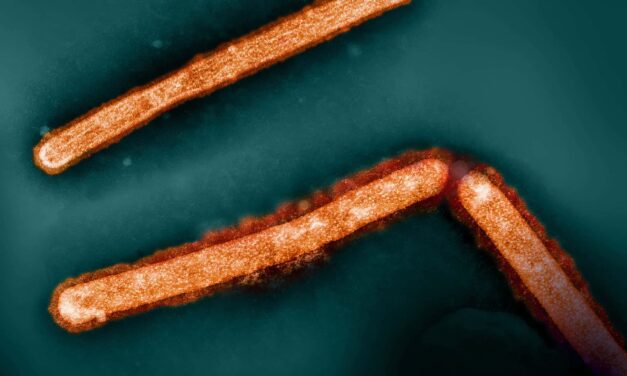
NanoVax W805EC adjuvanted A/H5 vaccine, an intranasal H5N1 vaccine candidate, successfully induced immune responses to multiple avian flu strains.
Read More
College students writing about why they might regret skipping a flu shot were significantly more likely to get vaccinated.
Read More