A new manufacturing process using baker’s yeast produces particles that provide broad protection against multiple influenza strains in preclinical studies.
RT’s Three Key Takeaways:
- Conserved Protein Target: Researchers targeted the M2 protein, which remains stable across various influenza strains, rather than the rapidly mutating hemagglutinin protein used in traditional vaccines.
- Yeast-Based Manufacturing: The new method uses genetically engineered baker’s yeast to produce virus-like particles, offering a faster and more cost-effective alternative to traditional egg-based production.
- Broad Protection: Preclinical trials in mice demonstrated 100% protection against multiple influenza strains, suggesting the potential for long-lasting immunity that could eliminate the need for yearly injections.
University of Michigan Engineering researchers have developed a process to manufacture influenza vaccines in baker’s yeast that is fast, inexpensive, and safe, according to research presented at the American Chemical Society (ACS) Fall 2026 meeting. Early results from mouse studies suggest the approach could provide long-lasting protection against multiple influenza strains.
Traditional vaccine production relies on an 80-year-old method using chicken eggs, which is a slow and costly process that often fails to adapt to new strains. The Michigan team aimed to develop a more efficient system that does not require incubation in eggs.
“It sounds like science fiction, but we’re very excited by the potential of this yeast-based vaccine production system,” said Fei Wen, a professor of chemical engineering and study advisor, in a news release.
Most current vaccines target hemagglutinin (HA), a surface protein that triggers an immune response but mutates rapidly, requiring updated shots each year. Instead, the researchers targeted the M2 protein, which is essential for virus production and far less prone to mutation.
“The influenza M2 protein is far less prone to mutation than HA,” said Trang Hoang, a graduate student at the university, in a news release. “M2 has remained relatively conserved since the 1918 flu pandemic and shows high sequence conservation across human, swine, and avian influenza A strains.”
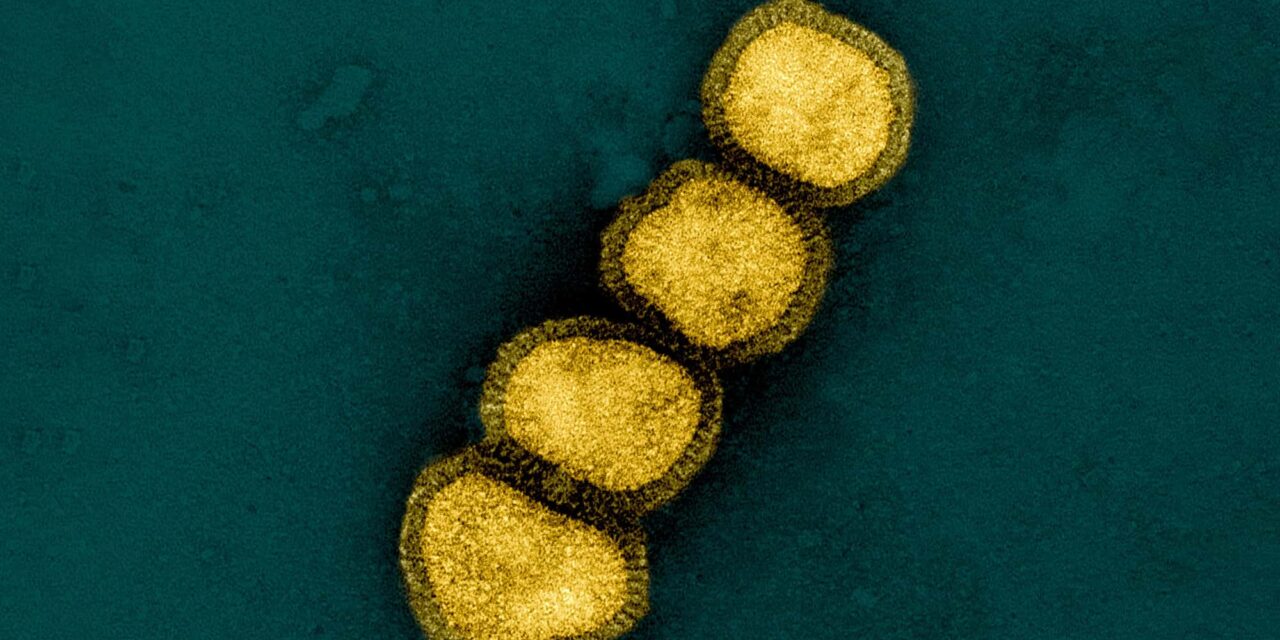
The team used baker’s yeast (Saccharomyces cerevisiae) to produce virus-like particles (VLPs). These particles mimic the shape and behavior of a virus but do not contain genetic material that causes infection. By displaying high amounts of the M2 protein on the surface of these VLPs, the researchers increased the ability of the protein to trigger an immune response.
In the study, 18 mice were vaccinated with the purified M2 VLPs, and blood serum showed abundant antibodies against M2 from five different influenza strains. When exposed to three different strains, the vaccinated mice showed 100% protection from infection.
While the results are promising, the researchers noted that more work is required before the vaccine is ready for human trials. Future studies will investigate how long the immunity lasts in mice and explore vaccine designs for individuals with weak immune responses.
The technology has been licensed to a company developing yeast systems for oral vaccines. Wen suggested that engineered yeast strains could eventually be used to produce oral vaccines for influenza and other diseases to support global public healthcare.