Respiratory Viruses and Hospital Admission Patterns
A new study finds individual viruses drive specific lung conditions while combined viral spread mirrors total hospital demand.

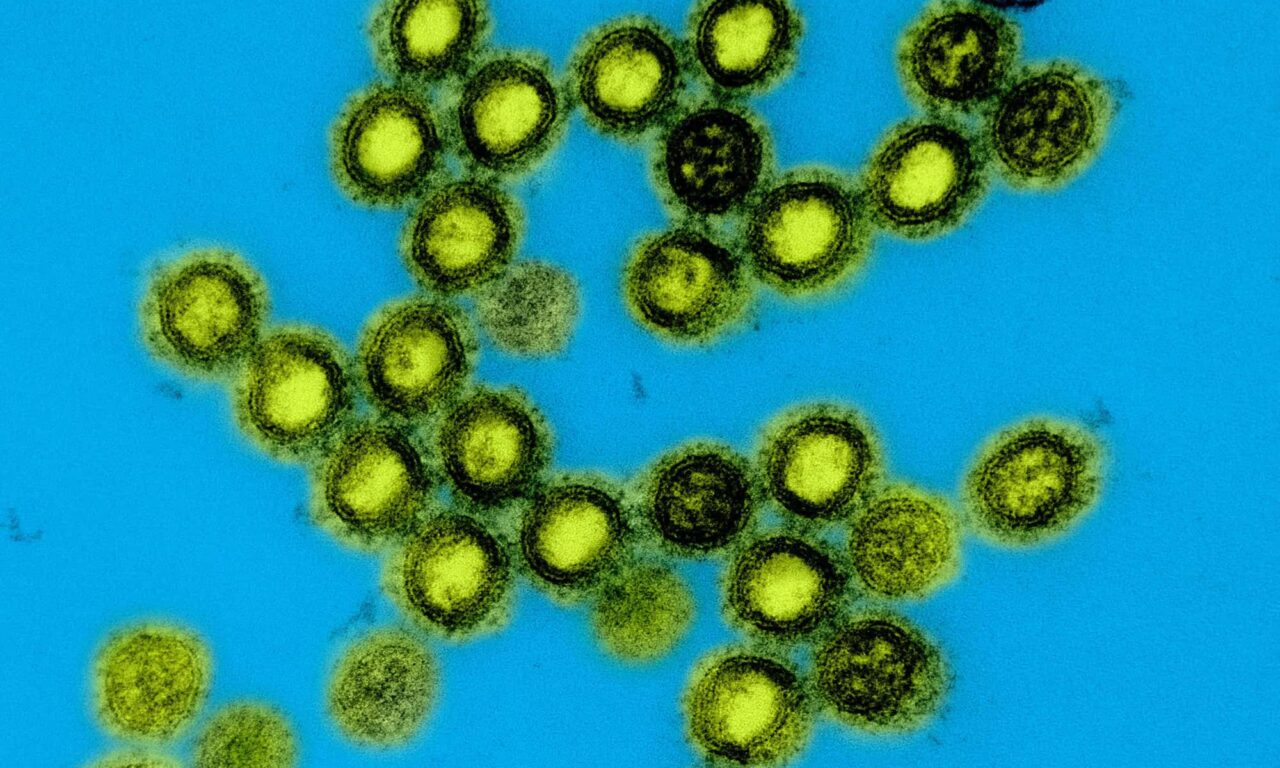
A new study finds individual viruses drive specific lung conditions while combined viral spread mirrors total hospital demand.
A new study finds individual viruses drive specific lung conditions while combined viral spread mirrors total hospital demand.
Read More
October is RSV Awareness Month, and the American Lung Association is promoting an educational initiative highlighting the threat of severe illness and hospitalization in older Americans.
Read More
Sudden unexpected infant death accounts for more than one-third of the infant mortality disparity between Black and white infants in the US.
Read More
Global analysis of more than 60,000 RSV viral sequences reveals that resistance to monoclonal antibodies remains rare.
Read More
Leading medical societies warn that proposed changes and funding delays at the National Institutes of Health could disrupt active studies and patient care.
Read More
AAP recommendations expand second-season RSV protection criteria for children ages 8 to 19 months, alongside updated infant COVID-19 vaccination recommendations.
Read More
New clinical recommendations emphasize the safety and importance of COVID-19, influenza, and RSV vaccines for individuals with weakened immune systems.
Read More
FDA will review Enflonsia’s ability to protect high-risk children under 2 years of age during their second RSV season.
Read More
CVS and Walgreens are expanding walk-in access, multi-vaccine scheduling, and respiratory illness testing ahead of peak viral activity.
Read More
The National Foundation for Infectious Diseases (NFID) launched an initiative to streamline evidence-based information regarding respiratory disease prevention.
Read More
Co-Diagnostics submitted a dual 510(k) premarket notification and CLIA Waiver by Application to the FDA for its Co-Dx PCR Flu A/B & RSV multiplex respiratory test.
Read More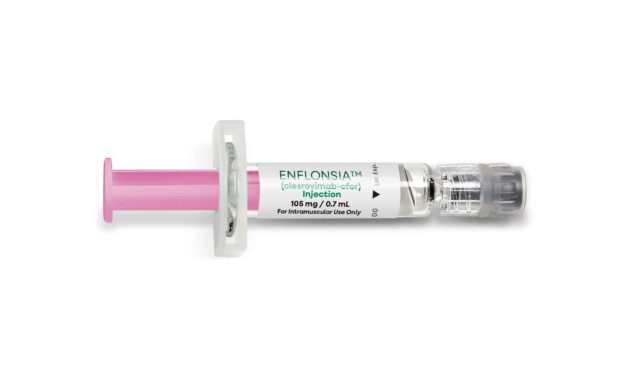
Merck is seeking expand approval for its RSV drug Enflonsia to include children under age two through their second year of risk.
Read More
Adults with weakened immune systems, particularly transplant recipients, face significant risks of severe illness and death from respiratory syncytial virus (RSV).
Read More
Infants exposed to viruses by older siblings face a higher risk of hospitalization and long-term socioeconomic challenges, according to new research.
Read More
A study shows that a loss of immunity caused flu and RSV peaks to occur earlier in the season before returning to pre-pandemic patterns.
Read More
Enanta Pharma advanced zelicapavir into a registrational Phase 2b/3 clinical trial for adults at high risk of severe RSV outcomes.
Read More
The AMDI Fast PCR System provides point-of-care results for RSV, influenza, and COVID-19 in less than 10 minutes.
Read More
Underlying chronic conditions and hospital transfers are major indicators of severe disease in pediatric patients with respiratory tract infections.
Read More
Real-world data published in JAMA Network Open confirm the effectiveness of the RSVpreF vaccine in protecting newborns from respiratory syncytial virus.
Read More
The families of two infants who died in the 1960s are suing the federal government alleging the babies received an experimental RSV vaccine without the knowledge or consent of their families, according to a report by The New York Times.
Read More
Maternal RSV vaccination reduced infants’ hospitalization risk by more than 80% when administered at least 14 days before birth.
Read More
Enanta Pharmaceuticals will present data on its RSV therapy zelicapavir and on EPS-3903, an oral STAT6 inhibitor, at ATS 2026.
Read More
Vertical ventilation ducts in residential buildings can facilitate the spread of infectious respiratory aerosols in multi-family buildings.
Read More
The once-weekly INNA-051 treatment from ENA Respiratory aims to prime the immune system to protect high-risk patients from influenza, RSV, and other respiratory viruses.
Read More