Sudden Unexpected Infant Deaths Rising Among Black Infants
Sudden unexpected infant death accounts for more than one-third of the infant mortality disparity between Black and white infants in the US.

Sudden unexpected infant death accounts for more than one-third of the infant mortality disparity between Black and white infants in the US.

Sudden unexpected infant death accounts for more than one-third of the infant mortality disparity between Black and white infants in the US.
Read More
A new summary from the World Health Organization warns that tobacco use can negatively impact fertility outcomes worldwide.
Read More
The new multi-dose RSV vial is expected to lower costs and simplify global distribution to protect infants from severe respiratory illness.
Read More
Wayne State University researchers are investigating how prenatal vaping exposure alters infant lung immunity and increases infection risks.
Read More
Specialized support from healthcare professionals significantly reduces smoking relapse rates in the year following childbirth.
Read More
A smartphone-based program uses financial rewards to improve smoking cessation rates among pregnant individuals in rural areas.
Read More
A fatty acid in breast milk programs immune cells to fight infections and may reduce the risk of chronic lung disease in premature infants.
Read More
Women’s attitudes and beliefs regarding sleep during pregnancy are significant predictors of sleep disruption after delivery.
Read More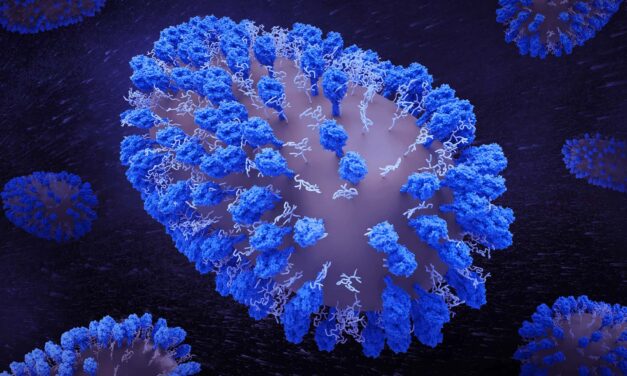
Real-world data published in JAMA Network Open confirm the effectiveness of the RSVpreF vaccine in protecting newborns from respiratory syncytial virus.
Read More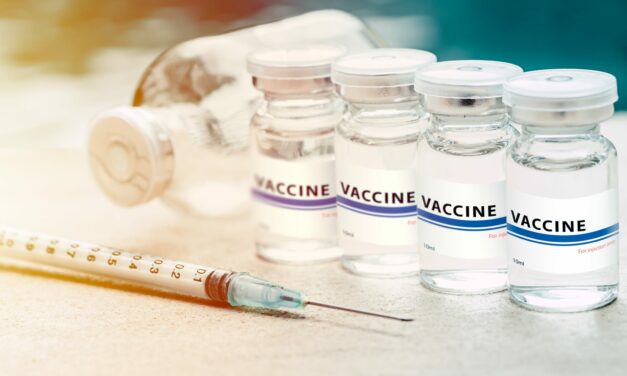
Maternal RSV vaccination reduced infants’ hospitalization risk by more than 80% when administered at least 14 days before birth.
Read More
New research suggests that cigarette exposure in the womb combined with a high-fat diet in adulthood may lead to worse metabolic health markers.
Read More
While maternal mortality rates have returned to pre-pandemic levels for many groups, deaths among Black mothers remain significantly elevated.
Read More
New research indicates that maternal signals synchronize fetal circadian rhythms in utero, potentially influencing long-term neonatal healthcare outcomes.
Read More
Children whose mothers were exposed to very high levels of PFAS—so called “forever chemicals”—during pregnancy had a substantially higher incidence of clinically diagnosed asthma.
Read More
A case report suggests high doses of oxycodone in breastfeeding mothers can lead to apnea and bradycardia in newborns due to immature metabolic pathways.
Read More
Penicillin allergy evaluation and subsequent delabeling reduces unnecessary alternative antibiotic use and is safe for pregnant patients, according to new research presented at AAAAI 2026.
Read More
A non-narcotic analgesics allergy label (NNAAL) is associated with several adverse perinatal outcomes, including greater rates of NICU admission, preterm birth, and more.
Read More
COVID-19 vaccination during pregnancy, particularly when combined with a booster dose, significantly reduces the risk of preeclampsia.
Read More
The 2026 AAP recommendations remain largely unchanged from 2025 but differ from the CDC’s new immunization schedule.
Read More
The CDC and HHS reduced the federally recommended childhood immunization schedule from 17 to 11 vaccinations, removing shots for seasonal flu and other infectious diseases.
Read More
Pregnant women were nearly 3.5 times more likely than non-pregnant women to require respiratory support when hospitalized for COVID-19.
Read More
Researchers have shown, for the first time, that severe flu infection in pregnant mice leads to a breakdown in placental and fetal brain barriers.
Read More
Pregnant women with opioid use disorder who were prescribed buprenorphine had fewer emergency department visits and hospital admissions, with the greatest benefit seen among those with 80% adherence.
Read More
Research uncovered a reluctance among obstetricians to refer their pregnant patients to allergy specialists, even when a referral could help improve care.
Read More