California Land Use Changes Linked to Increased Valley Fever Risk
Certain agricultural practices and natural landscapes influence the incidence of fungal respiratory infections across California.


Certain agricultural practices and natural landscapes influence the incidence of fungal respiratory infections across California.

Certain agricultural practices and natural landscapes influence the incidence of fungal respiratory infections across California.
Read More
New research suggests that nearly 10% of patients hospitalized with pneumonia in certain regions test positive for Coccidioides (valley fever).
Read More
Half of patients with invasive mold infections require mechanical ventilation, with significantly higher mortality observed in those with recent COVID-19.
Read More
Researchers have identified an immune cell population in human lung tissue that defends against viral, bacterial, and fungal infections.
Read More
Zepto Life Technology has introduced FungiFlex Pneumocystis jirovecii and the FungiFlex Mold Plus Panel testing assays.
Read More
Olorofim may provide a treatment option for patients with disseminated Valley Fever who have failed standard therapies.
Read More
The liquid biopsy panel identifies fungal DNA in plasma to help clinicians diagnose life-threatening infections in immunocompromised patients.
Read More
Molecular diagnostics provide faster, more accurate identification of mucormycosis and co-infections compared to traditional culture methods.
Read More
Phase 3 trial results indicate a new antifungal medication olorofim is as effective as current standard treatments for invasive aspergillosis with fewer side effects.
Read More
Sampling sewage lines directly serving healthcare facilities allows scientists to identify...
Read More
A decade-long study shows a significant rise in respiratory infections caused by fungal spores released during intense wind and heat events in El Paso Texas.
Read More
Participants with no prior exposure to SARS-CoV-2 experienced fewer vaccine side effects and continued increases in antibody levels over six months.
Read More
The PMX 900 features a 0.4-micron filter designed to block airborne contaminants and protect equipment in healthcare environments.
Read More
The FungiFlex Mold Panel provides a noninvasive alternative to biopsies for identifying invasive fungal infections in immunocompromised patients.
Read More
RT’s CRCE-approved webinar “Invisible Risks: Addressing Indoor Air Quality Among Patients,” is now available for on-demand viewing.
Read More
A new class of molecules called coniotins bind to the fungal cell wall, disrupting its structural integrity and reducing the pathogen’s ability to survive.
Read More
A new study has linked mold exposure in the home to hypersensitivity pneumonitis, revealing a significant and under-recognized risk factor.
Read More
People with diabetes, COPD, or co-infections such as COVID-19, tuberculosis or flu, are at higher risk of developing fungal infections.
Read More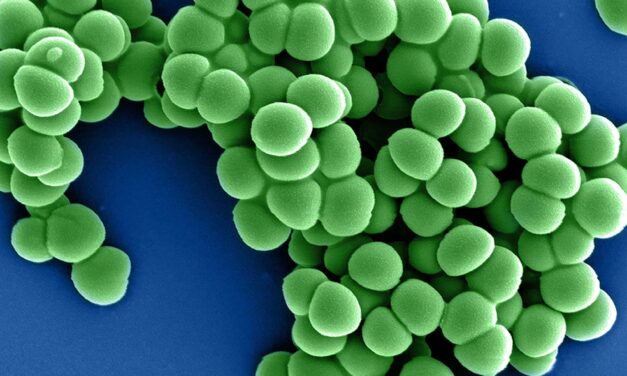
Cancer patients in both hospital and outpatient settings are at a substantially higher risk of developing antimicrobial resistant infections compared to all other non-cancer patients.
Read More
The ECRI’s annual list of patient safety threats includes healthcare-associated infections and medical misinformation, but it’s topped by a particular physician behavior towards patients and caregivers that can lead to a loss of trust.
Read More
A copper-impregnated surface significantly reduced C. difficile spores by over 97% within four hours, offering continuous antimicrobial protection.
Read More
Pneumonia is a potentially life-threatening infection of the lungs that inflames alveoli and spurs the overproduction of purulent material. Typically afflicting neonates and seniors, the COVID pandemic has revealed the importance of proper pneumonia care for all patients.
Read More
Epidemiological data indicates that a rise in severe fungal infections has resulted in over 150 million cases annually and almost 1.7 million fatalities globally.
Read More
Fungal pneumonia caused by Pneumocystis is difficult study, but scientists have developed a promising new model using precision-cut slices of lung tissue to allow lab cultures of the fungus.
Read More