Sampling sewage lines directly serving healthcare facilities allows scientists to identify drug-resistant fungus strains of candida auris (C. auris) five months before patient symptoms emerge.
RT’s Three Key Takeaways:
- Early Detection Window: Researchers found that sampling wastewater from sewer lines serving hospitals and long-term care facilities can identify drug-resistant C. auris up to five months before clinical symptoms appear in patients.
- Higher Surveillance Resolution: Wastewater collected directly from hospital sewers showed a 95% detection rate and concentrations 100 times higher than samples taken from municipal wastewater treatment plants.
- Infection Control Potential: The surveillance method provides a noninvasive way for healthcare facilities to monitor for antifungal-resistant pathogens and implement intervention strategies before an outbreak occurs.
Scientists at the University of Nevada, Las Vegas (UNLV) have developed a wastewater surveillance method that detects drug-resistant fungus strains of candida auris (C. auris) in healthcare facilities up to five months before patients show symptoms, according to a study published in Nature Communications.
The research focused on C. auris, a fungus that puts hospital patients at risk of serious blood, heart, or brain infections. In 2025, Nevada accounted for 22% of the nearly 7,200 C. auris cases in the US, reporting 1,605 infections to the Centers for Disease Control and Prevention (CDC).
“Wastewater surveillance provides a noninvasive, facility-scale biopsy of a hospital community. And we can get answers on a daily basis, paving the way for healthcare facilities to save lives by figuring out sooner when pathogens resistant to a standard course of antifungal treatment are present,” said Edwin Oh, a professor and director of the Center for Water Intelligence and Community Health at UNLV, in a news release.
Higher Resolution Testing
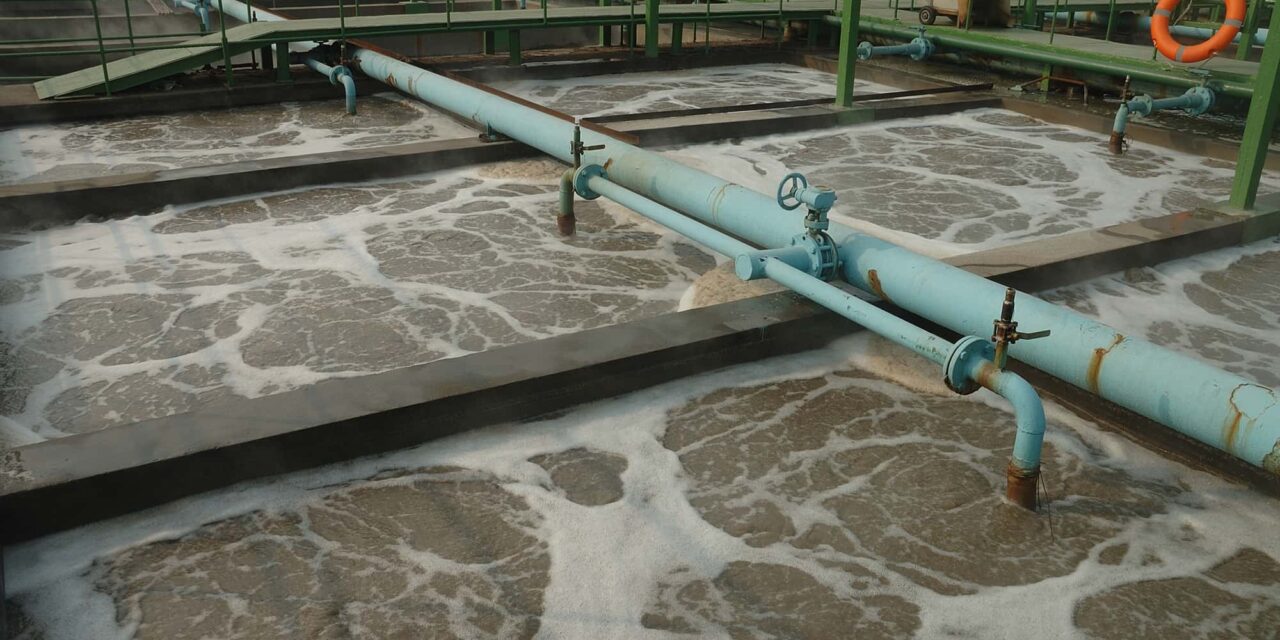
The study compared untreated wastewater from municipal treatment plants with samples taken from sewer lines serving three major Southern Nevada hospitals between 2021 and 2024. Wastewater sampled directly from the hospital sewers yielded C auris concentrations nearly 100 times higher than the community-scale plants, with a 95% detection rate compared to 18% at the treatment plants.
C. auris is a significant concern for healthcare facilities because it can grow on both dry and moist surfaces, including medical equipment, clothing, and furniture. It is often resistant to many common disinfectants and all three classes of antifungal medications. More than one in three patients with invasive C. auris infections dies.
“These new results highlight the benefits of implementing this emerging public health tool closer to healthcare facilities, potentially leading medical professionals toward more effective treatment options for their patients,” said Daniel Gerrity, a principal research laboratory scientist at the Southern Nevada Water Authority, in a news release.
Future Implications
The research team used the data to build a large C. auris genomic repository. The next steps involve pairing these genomes with molecular tools to develop new antifungal therapeutics and potentially a vaccine.
“Too often, a patient’s own illness is the first signal that a drug-resistant strain has arrived in a facility, and by then it may already be spreading,” said Ching-Lan (Lanie) Chang, a neuroscience doctoral student at UNLV, in a news release. “Wastewater surveillance changes that timeline, giving healthcare workers, patients, and their families a head start that simply didn’t exist before.”
The study also revealed biological insights into how the fungus adapts to drug pressure, showing signs of metabolic rewiring and stress response mechanisms that could serve as new therapeutic targets.