Oral Bacterial Extract Fails to Prevent Asthma in High-Risk Children
A multiyear clinical trial found that OM-85 did not reduce severe wheezing episodes or early childhood asthma diagnoses.


A multiyear clinical trial found that OM-85 did not reduce severe wheezing episodes or early childhood asthma diagnoses.

A multiyear clinical trial found that OM-85 did not reduce severe wheezing episodes or early childhood asthma diagnoses.
Read More
Classroom dust containing elevated levels of Streptomyces and Mycobacterium species is associated with measurable reductions in lung function among school-aged children.
Read More
International Space Station experiments use the unique environment of space to study the link between Streptococcus pneumoniae and long-term cardiovascular complications.
Read More
Researchers have identified an immune cell population in human lung tissue that defends against viral, bacterial, and fungal infections.
Read More
Zepto Life Technology has introduced FungiFlex Pneumocystis jirovecii and the FungiFlex Mold Plus Panel testing assays.
Read More
A study of Streptomyces bacteria reveals a coordinated attack on bacterial biotin production, offering a new strategy against multidrug-resistant infections.
Read More
Researchers discovered manikomycin, a soil-derived peptide that attacks bacteria in a unique way to bypass existing antibiotic resistance.
Read More
Researchers found that patients with both bronchiectasis and chronic rhinosinusitis are more likely to test positive for Pseudomonas aeruginosa (P aeruginosa).
Read More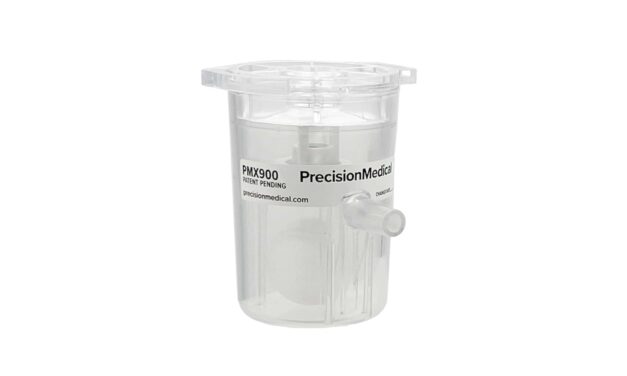
The PMX 900 features a 0.4-micron filter designed to block airborne contaminants and protect equipment in healthcare environments.
Read More
Chemicals released by gut microbes and captured from the breath can reveal the composition of the bacteria living in the intestines.
Read More
Tuberculosis (TB) precision medicine may shorten therapy by using clinical phenotypes to guide stratified treatment with monitoring.
Read More
Aboard the International Space Station, bacteria-infecting viruses and their hosts accumulate distinctive mutations in near-weightlessness.
Read More
Pseudomonas aeruginosa (P. aeruginosa) bloodstream infection carried recurrence and mortality, with illness driving risk in Queensland adult cohort.
Read More
Higher rates of Legionnaires’ disease were found in ZIP codes served by water treatment plants that use chlorine as the primary disinfectant.
Read More
A new compound that kills tuberculosis bacteria by inhibiting ATP synthase at a different site than existing drugs like bedaquiline.
Read More
A pneumococcal enzyme, zmpB, is a key factor in some pneumonia patients develop serious heart complications.
Read More
Staphylococcus aureus (S. aureus) delays wound healing through a mechanism that suppresses skin cell metabolism needed for repair.
Read More
Whooping cough is on the rise and incidence now exceeds pre-pandemic numbers.
Read More
UCLA Health detected and halted a rare strain of Pseudomonas aeruginosa that carries a gene called NDM-1, or New Delhi metallo-β-lactamase.
Read More
Researchers have identified more than 200 phage defense strategies used by bacteria to avoid viral infection.
Read More
Researchers using green light to activate penicillin say controlling drug activity with light will allow precise and safe treatment of localized infections.
Read More
Some patients with pre-extensively drug-resistant TB benefitted from shorter, simpler regimens.
Read More
Cancer patients in both hospital and outpatient settings are at a substantially higher risk of developing antimicrobial resistant infections compared to all other non-cancer patients.
Read More
Community-acquired pneumonia is one of the most common infections in children worldwide and represents one of the most frequent and costliest reasons US children are hospitalized.
Read More