Treating Pediatric Hypoxia/Hypoxemia via Oxygen Therapy
Pediatric patients require special care when receiving oxygen therapy due to their unique physiological needs and increased sensitivity to oxygen levels.

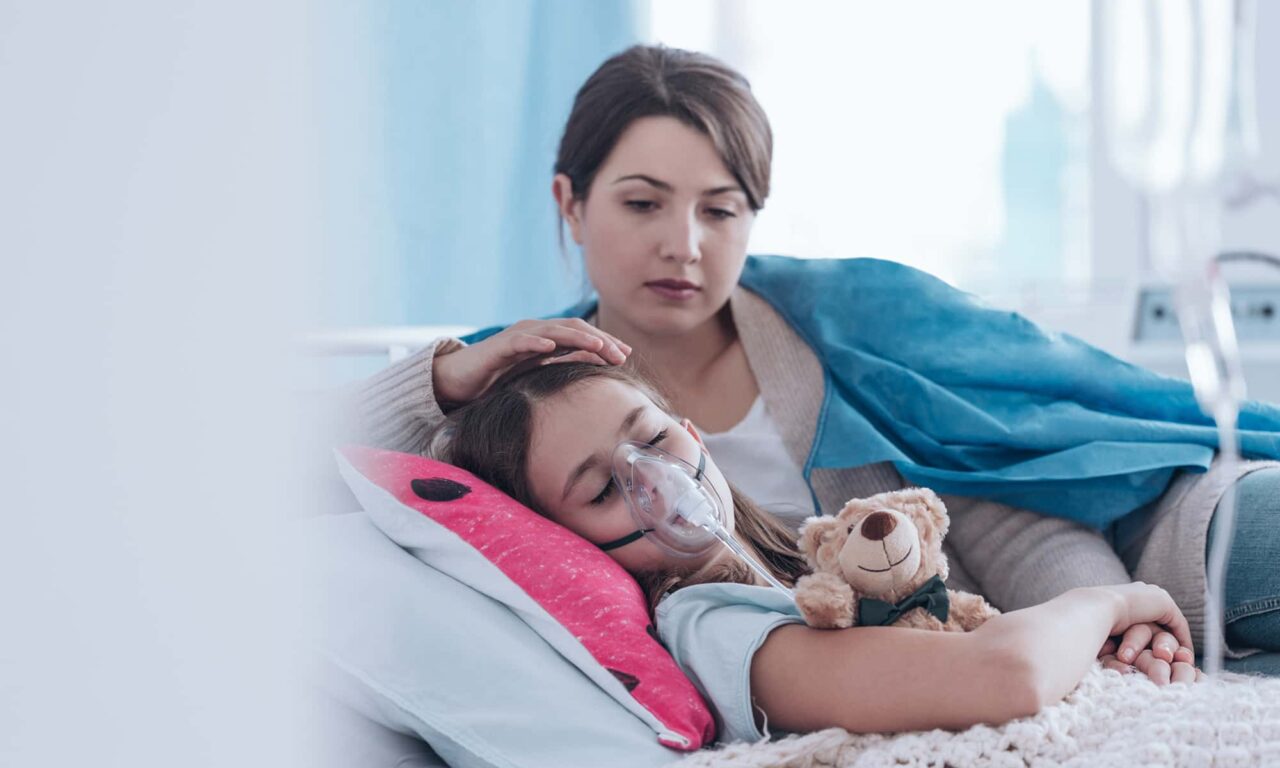
Pediatric patients require special care when receiving oxygen therapy due to their unique physiological needs and increased sensitivity to oxygen levels.
Pediatric patients require special care when receiving oxygen therapy due to their unique physiological needs and increased sensitivity to oxygen levels.
Read More
Not all pulse oximeters are created equal; the industry must work to enhance their accuracy and reliability to ensure the best possible clinical information.
Read More
Patients with severe hypoxemia experienced no significant differences in hospitalization, mortality, or quality of life when using oxygen therapy for 24 hours per day compared to 15 hours.
Read More
Researchers answer a question that’s persisted since the start of the pandemic: Why do some COVID-19 patients exhibit dangerously low blood oxygen levels, yet experience no difficulty breathing?
Read More
Intermittent oxygen desaturation from obstructive sleep apnea is associated with accelerated lung cancer recurrence within two years after curative treatment.
Read More
People with obstructive sleep apnea have an increased cardiovascular risk due to reduced blood oxygen levels, largely explained by interrupted breathing, according to AJRCCM research.
Read More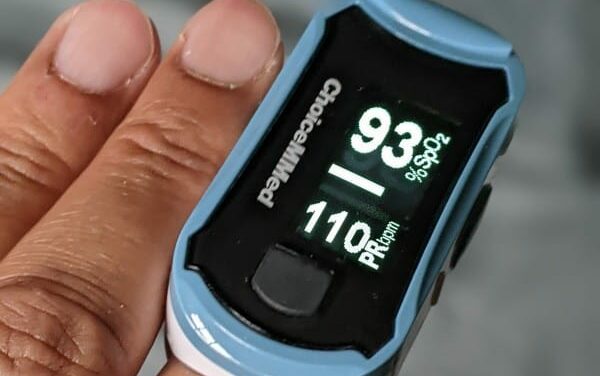
Researchers at Washington University in St. Louis found that even while pulse oximeters have been adjusted to account for darker skin tones, the bias remains and must be fixed.
Read More
Oxygen therapy is used to treat neonatal and pediatric patients with low blood oxygen levels caused by RSV, which has been a major driver of pediatric hospitalizations in 2022 and 2023.
Read More
Prone positioning does not significantly reduce the risk of intubation in hospitalized COVID patients experiencing acute hypoxemic respiratory failure, according to findings from the COVI-PRONE trial published in JAMA and presented at ATS 2022.
Read More
Malawi children with severe hypoxemia had a fatality rate of 13.9% compared with 3.9% for those with moderate hypoxemia and 2.3% for those with normal blood oxygen levels.
Read More
Respiratory failure due to hypoxemia and/or hypercapnia calls for oxygen therapy, positive pressure support, and possibly ventilatory support. Care for these patients may escalate and require higher flow, FiO2, and more complex devices and intensive monitoring.
Read More
The novel coronavirus is causing significant dilation of lung capillaries and this vasodilation is contributing to the very low oxygen levels seen in COVID-19 respiratory failure.
Read More
Understanding the patient and the capabilities of the oxygen delivery device will make the difference in effective long-term oxygen therapy, with improved patient outcomes at a lower overall healthcare expense.
Read MoreOverweight US service members are 41 percent less likely to transition to clinical obesity when stationed at military facilities located at high altitude.
Read More
Spacelabs Healthcare is recalling the Arkon Anesthesia System with Version 2.0 Software due to a software defect that may cause serious adverse health consequences, including hypoxemia and death, according to an FDA announcement.
Read More
A systematic and step-wise process based upon pH shift is the key to correct interpretation and application of arterial blood gas results.
Read More
Targeting oxygen saturations in extremely preterm infants at 85-89%, compared with 91-95%, had no significant effect on the rate of death or disability at 18 months, according to researchers.
Read More
Clinically interesting and yet not well understood, hypoxic-drive theory holds that people who chronically retain carbon dioxide lose their hypercarbic drive to breathe.
Read MoreResearchers have found that a shortage of oxygen occurs in the lungs after an invasion of the common mold Aspergillus fumigatus.
Read More
Clinicians rarely consider OSA when examining their young patients. Abnormal sleeping patterns, daytime fatigue, and behavioral problems could be a clue.
Read More